
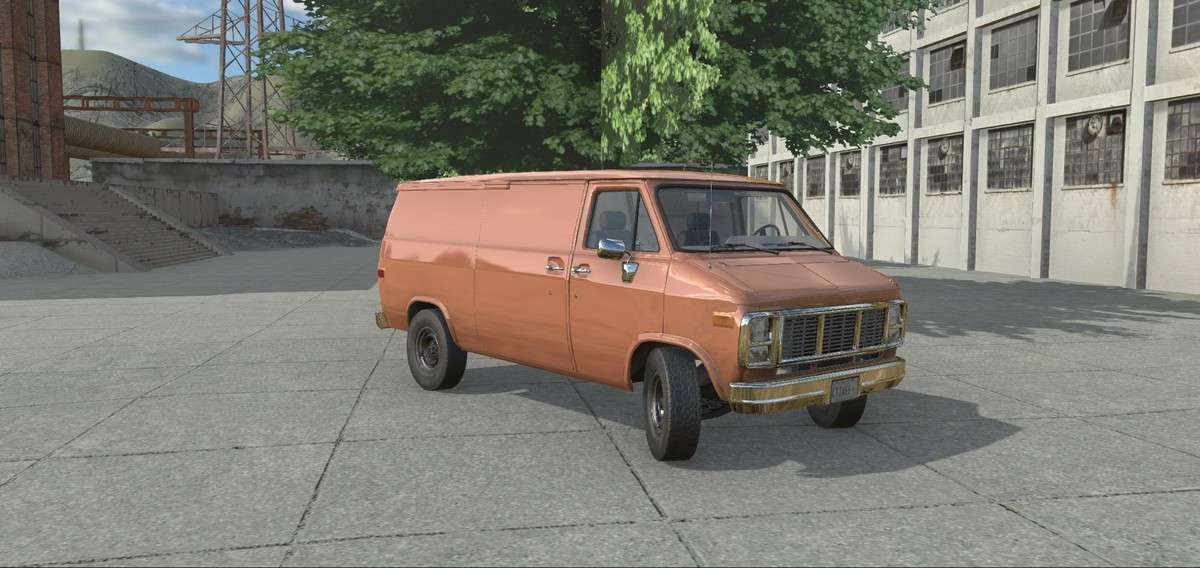
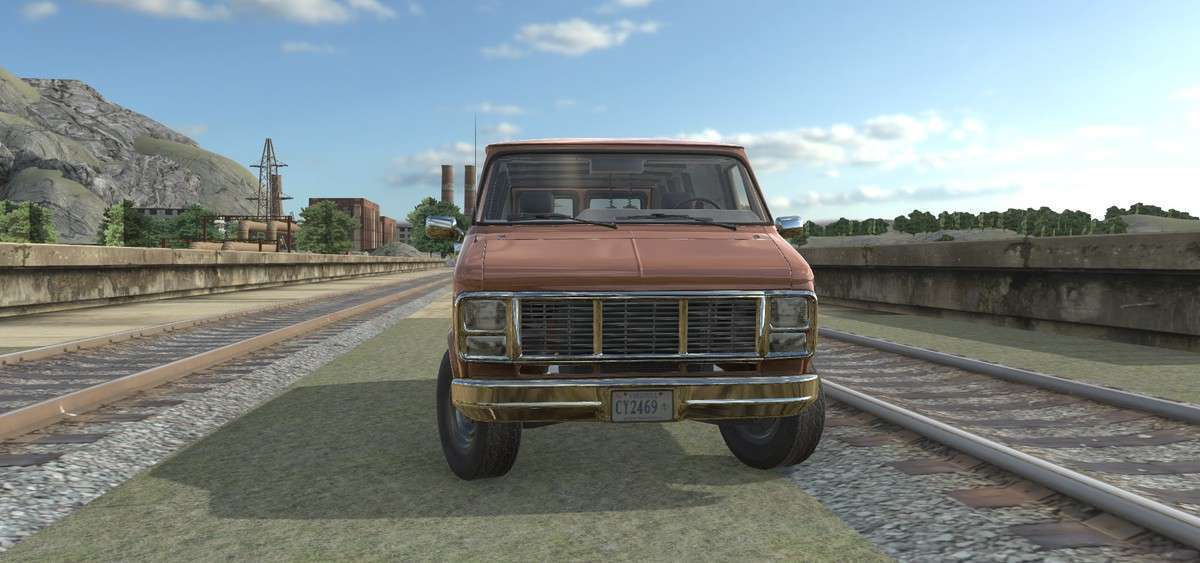
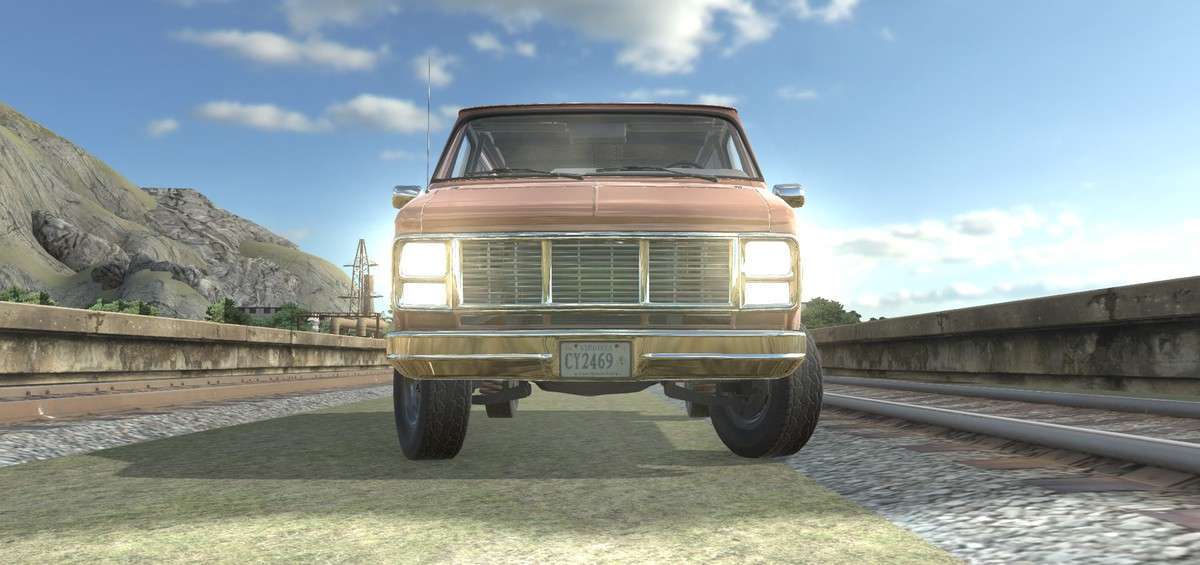
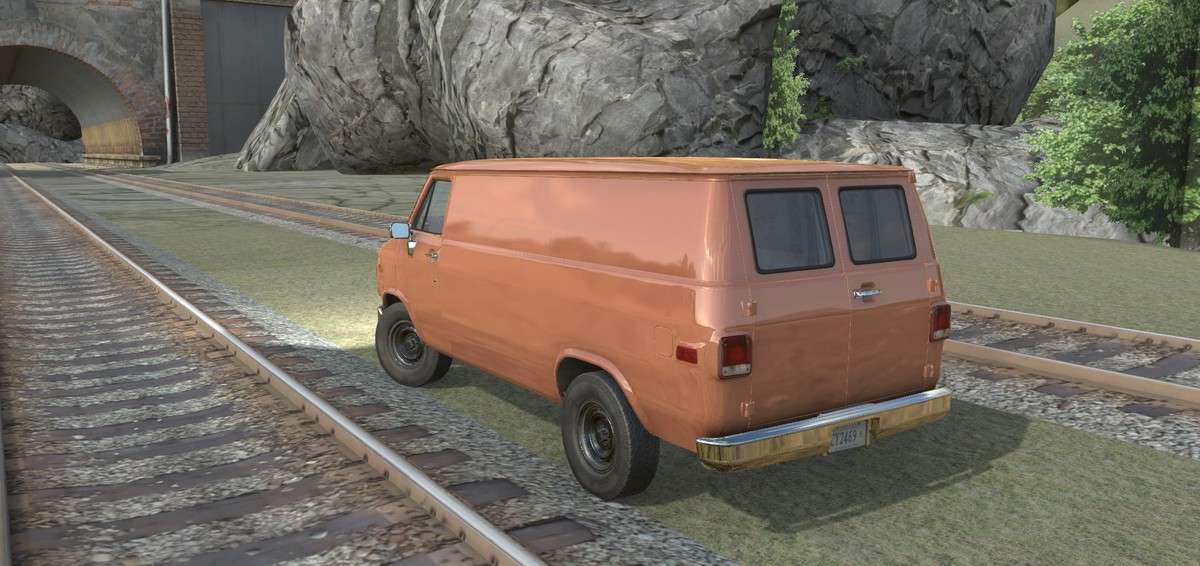
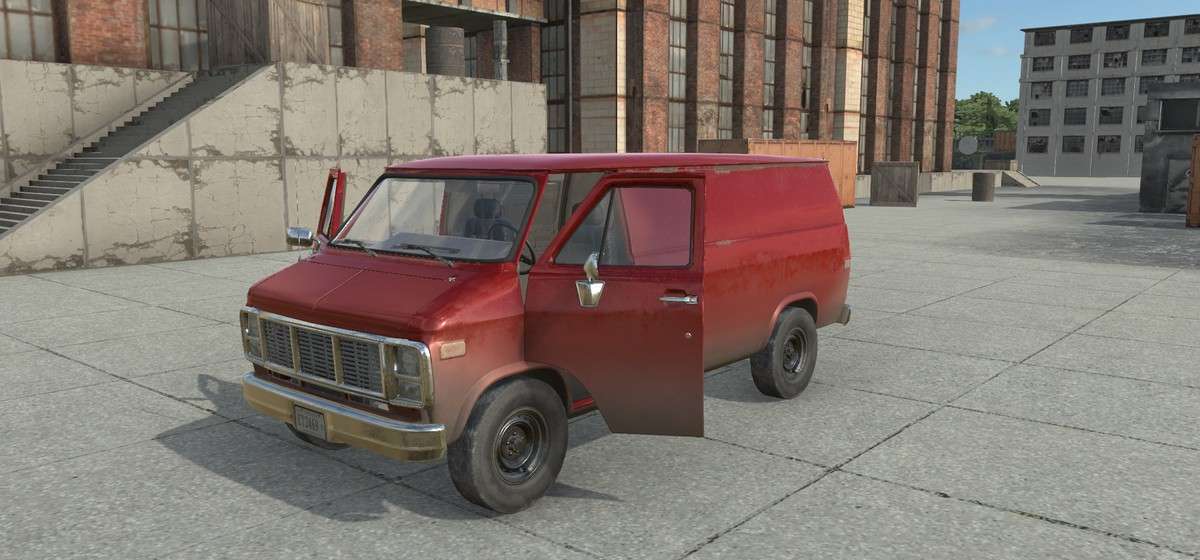
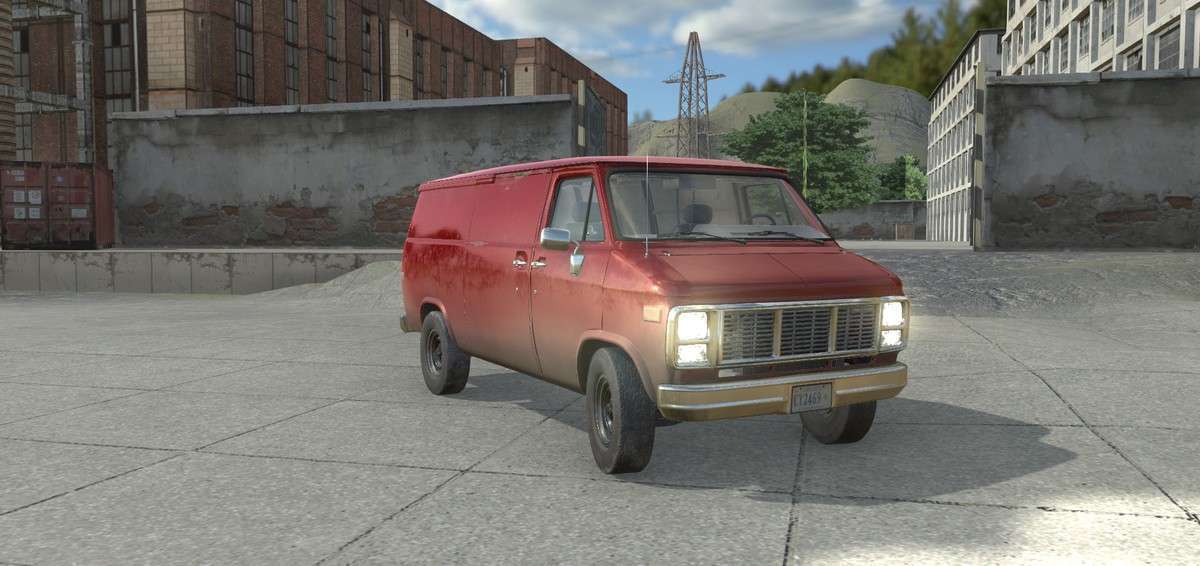
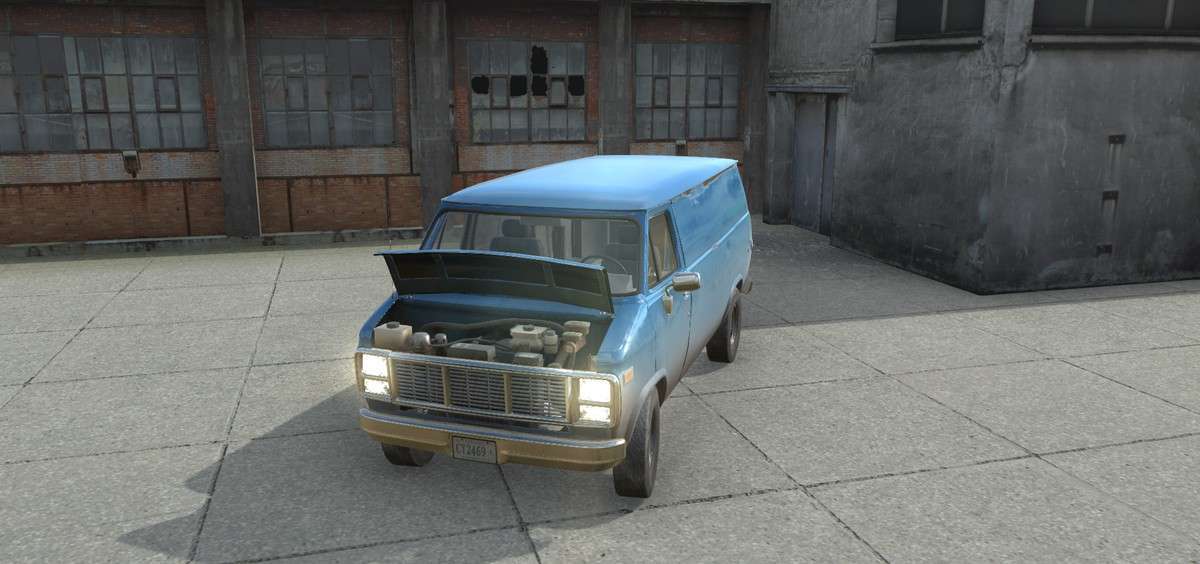
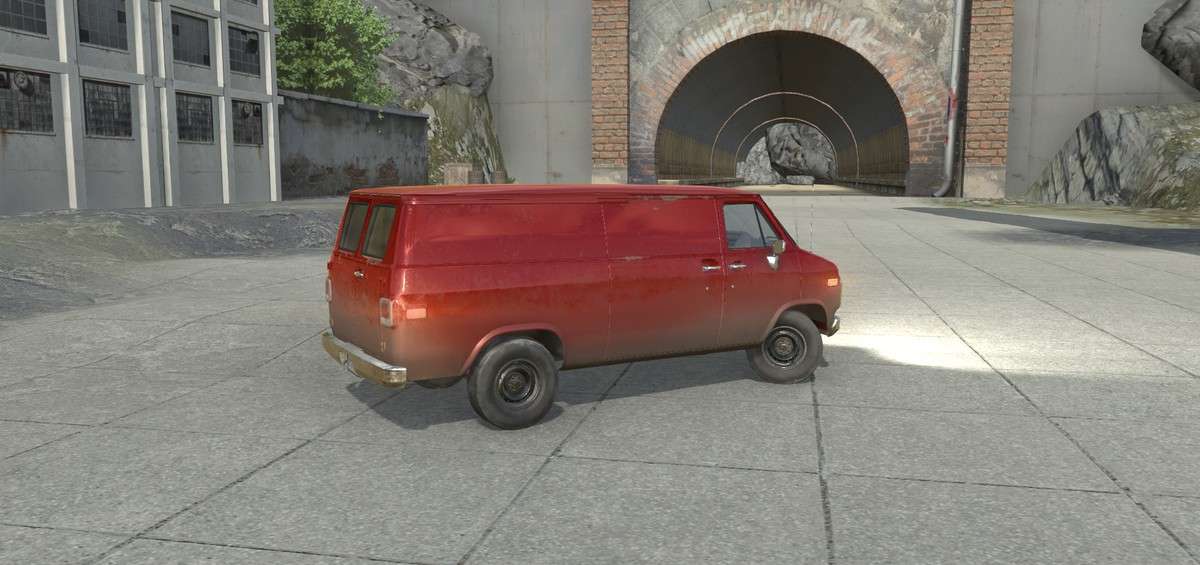
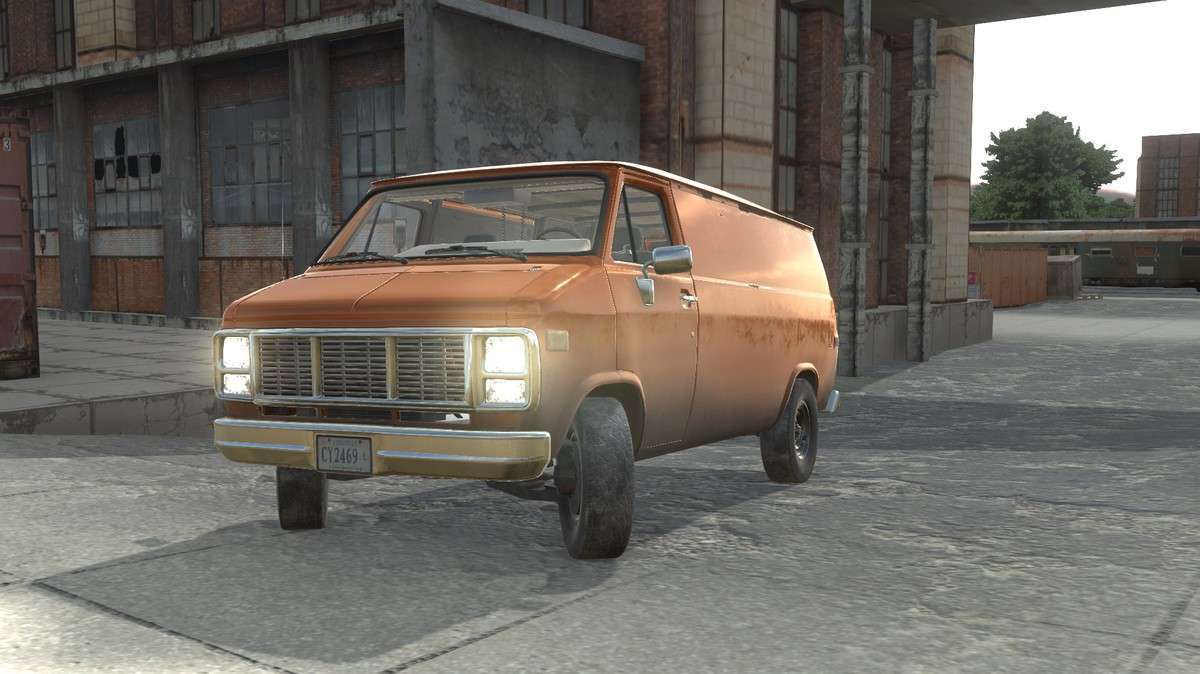
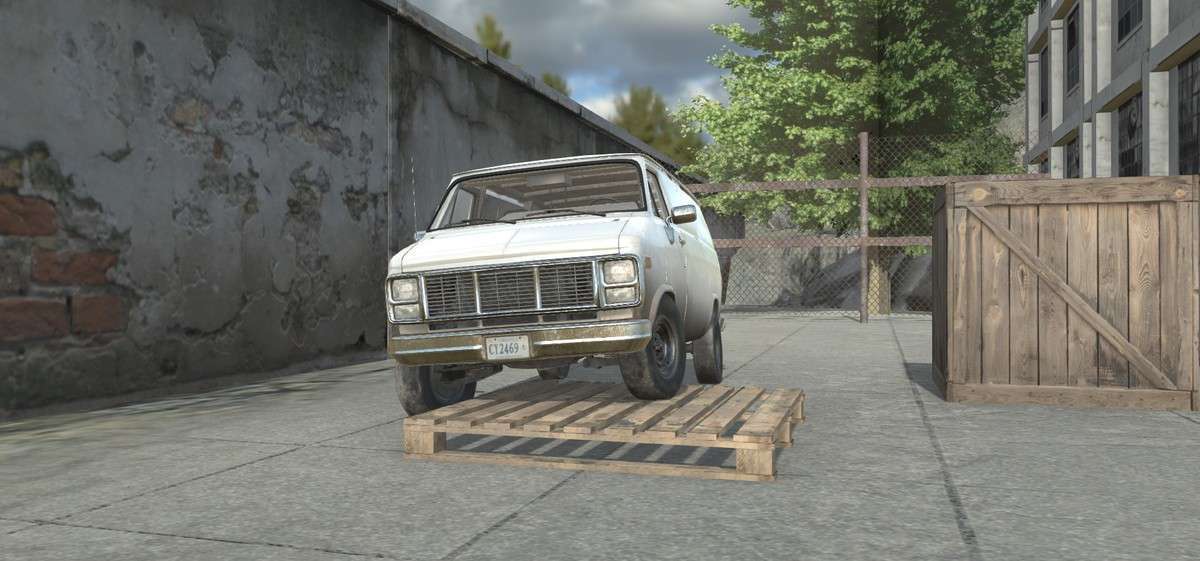
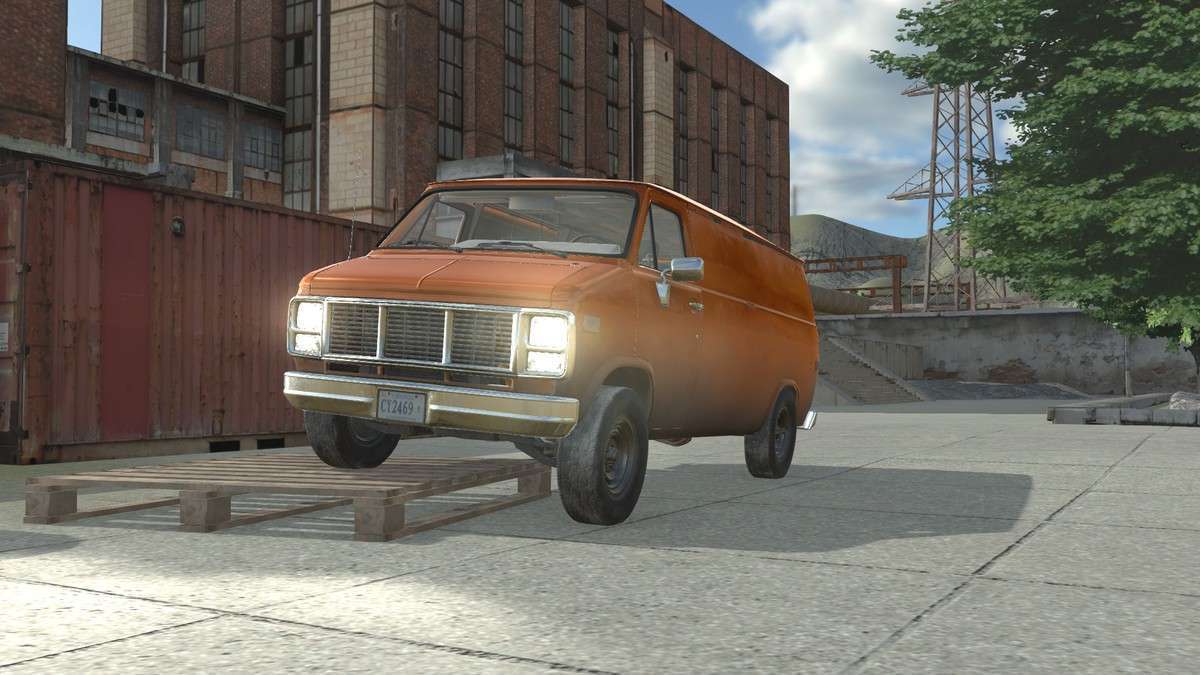
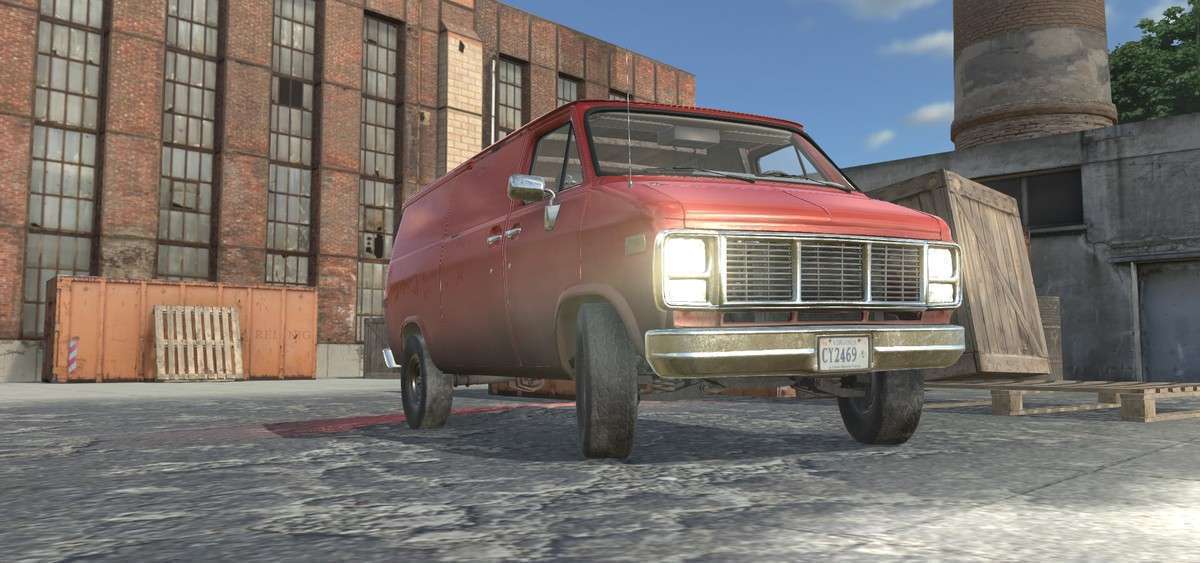
High-Fidelity Vehicle Logic with Minibus 1990 Unity
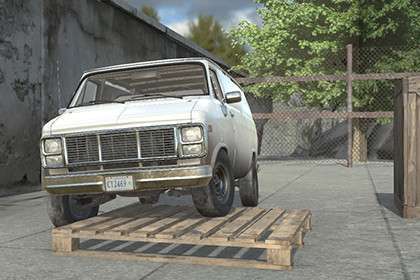
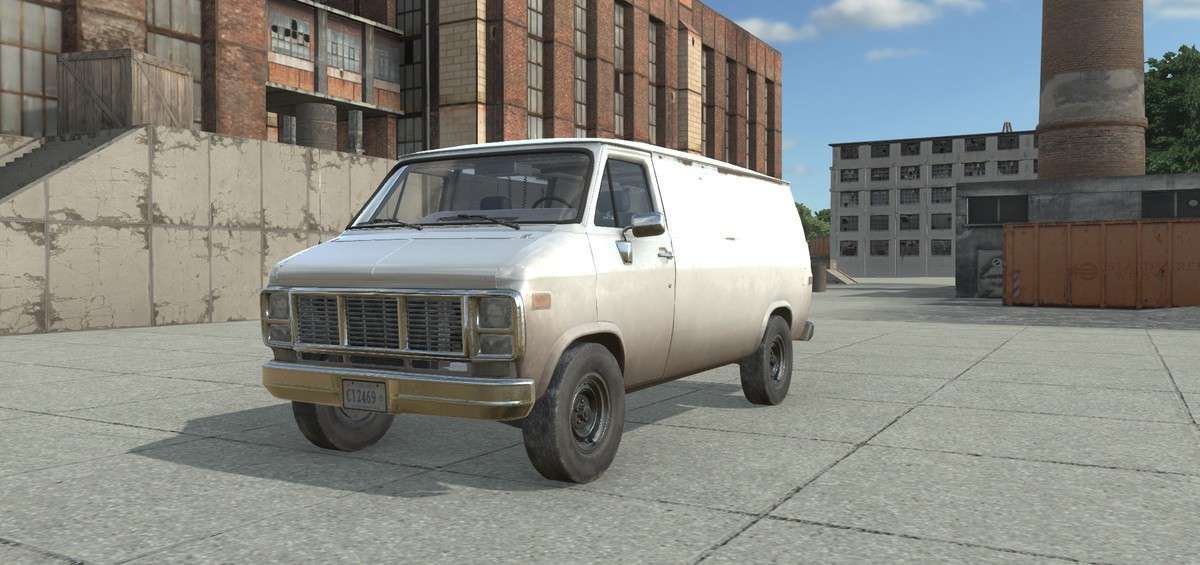
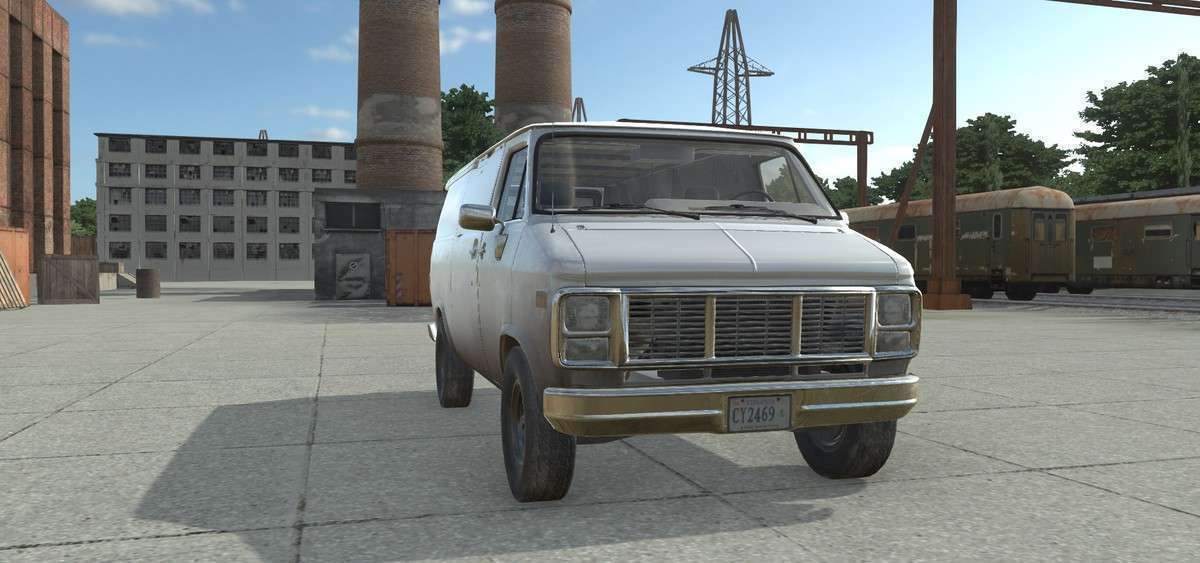
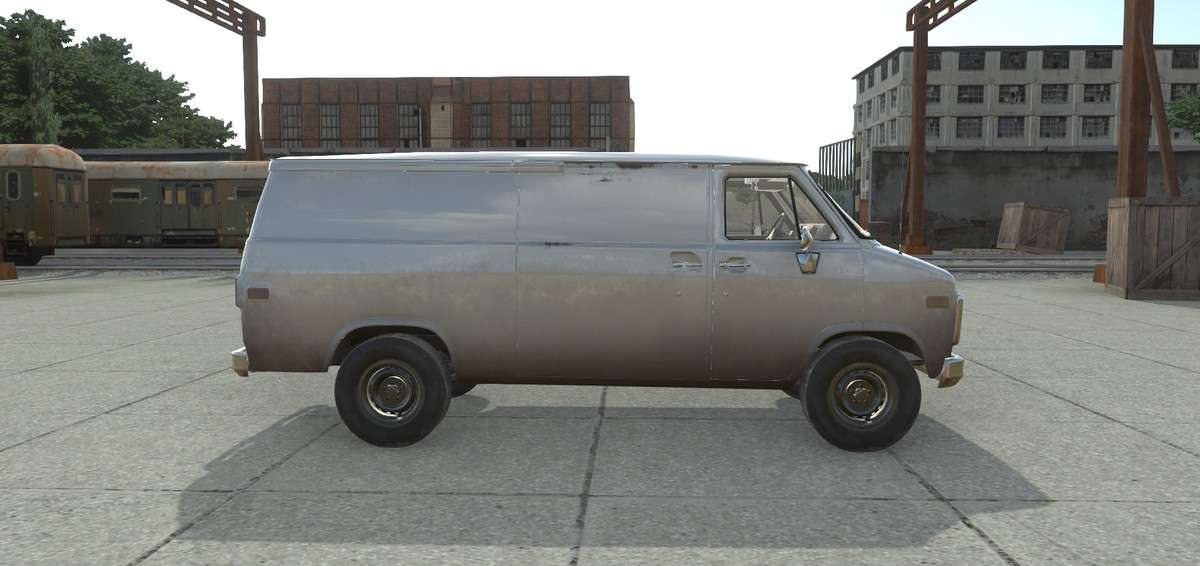
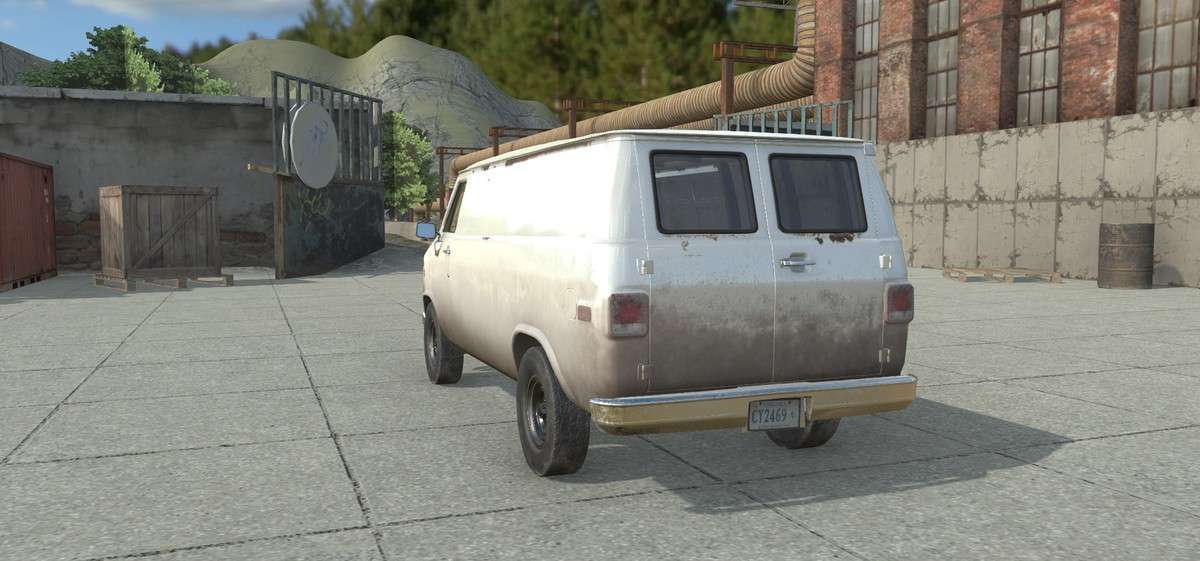
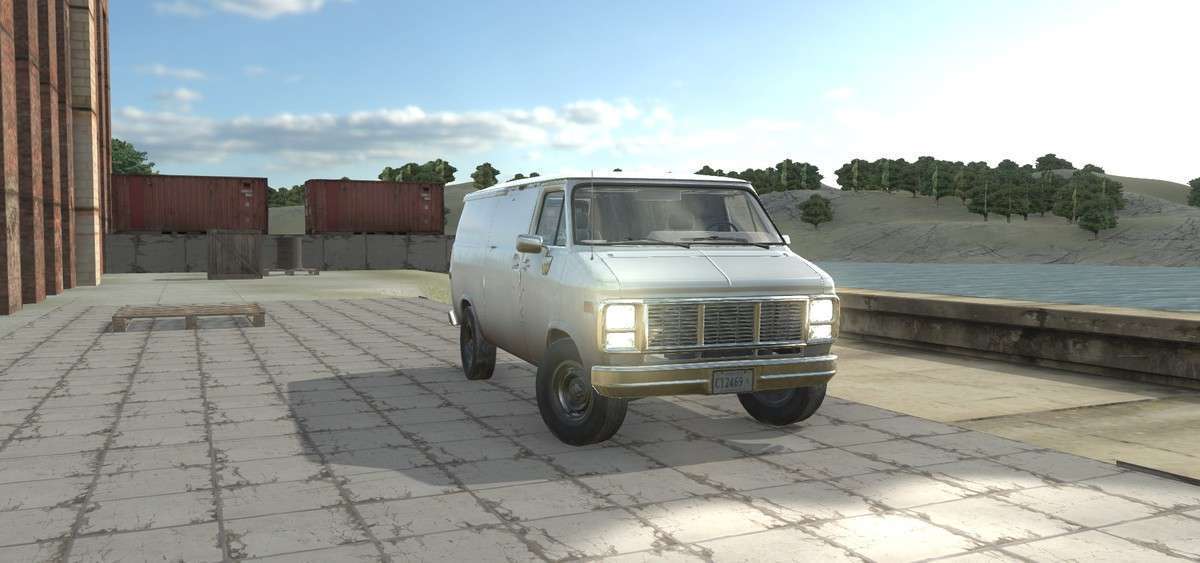
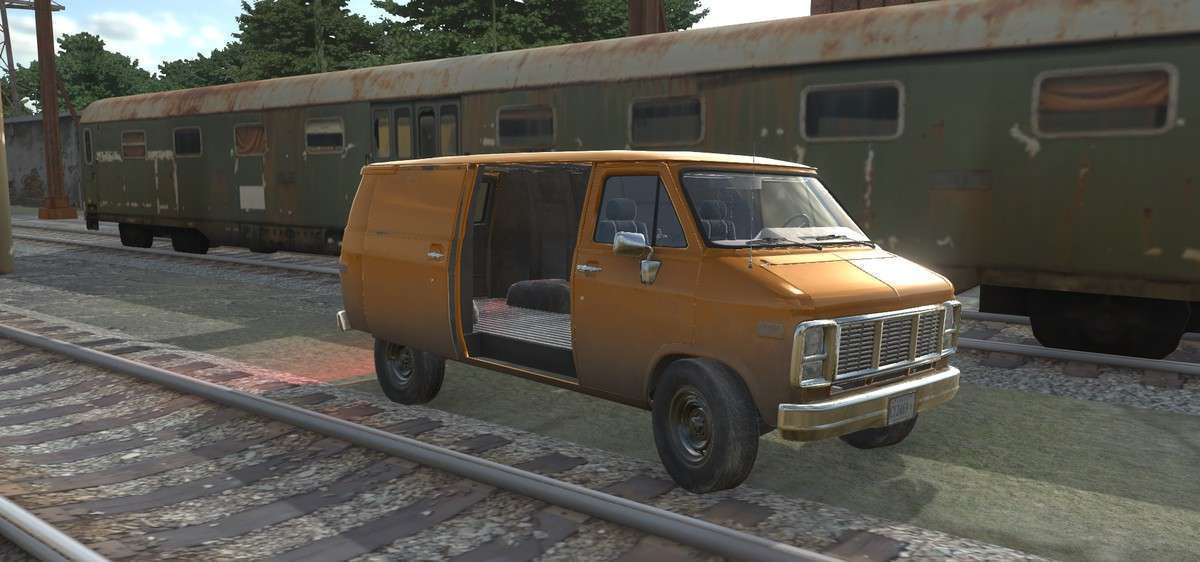
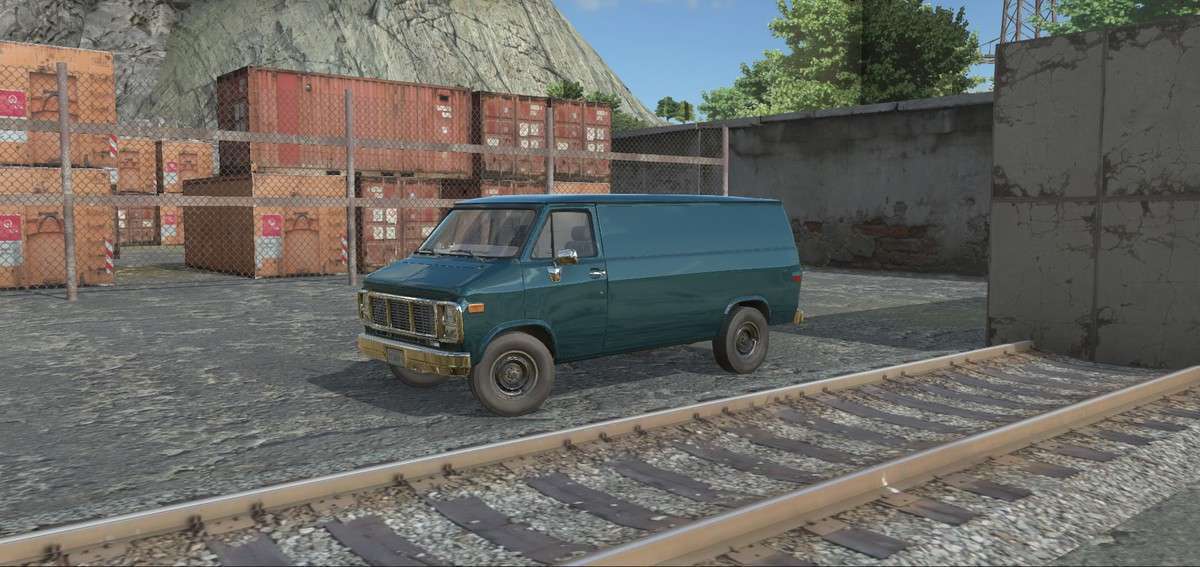
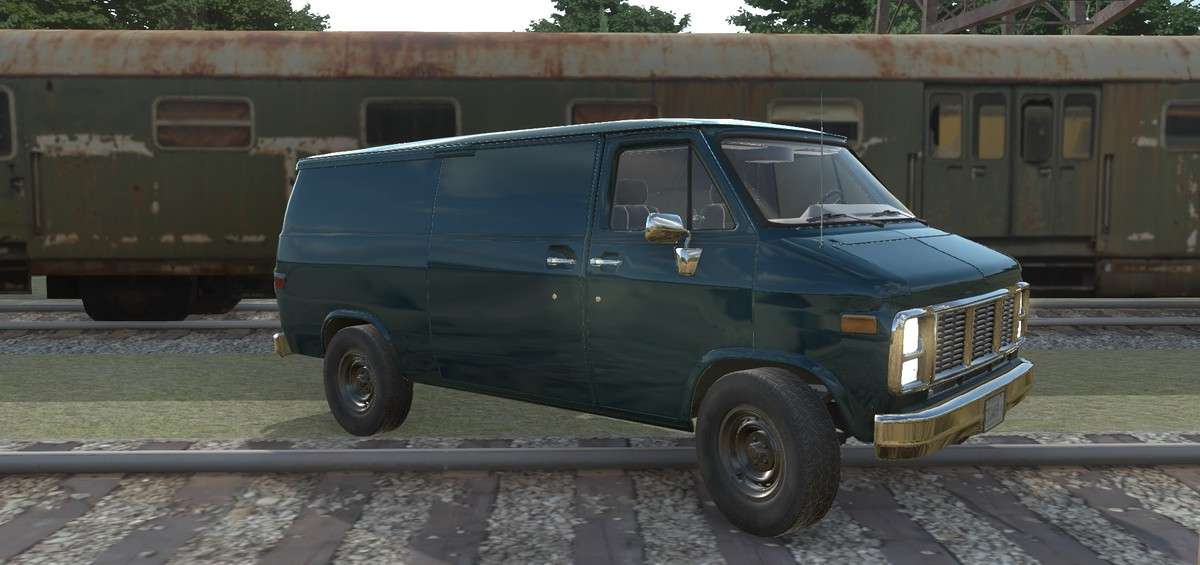
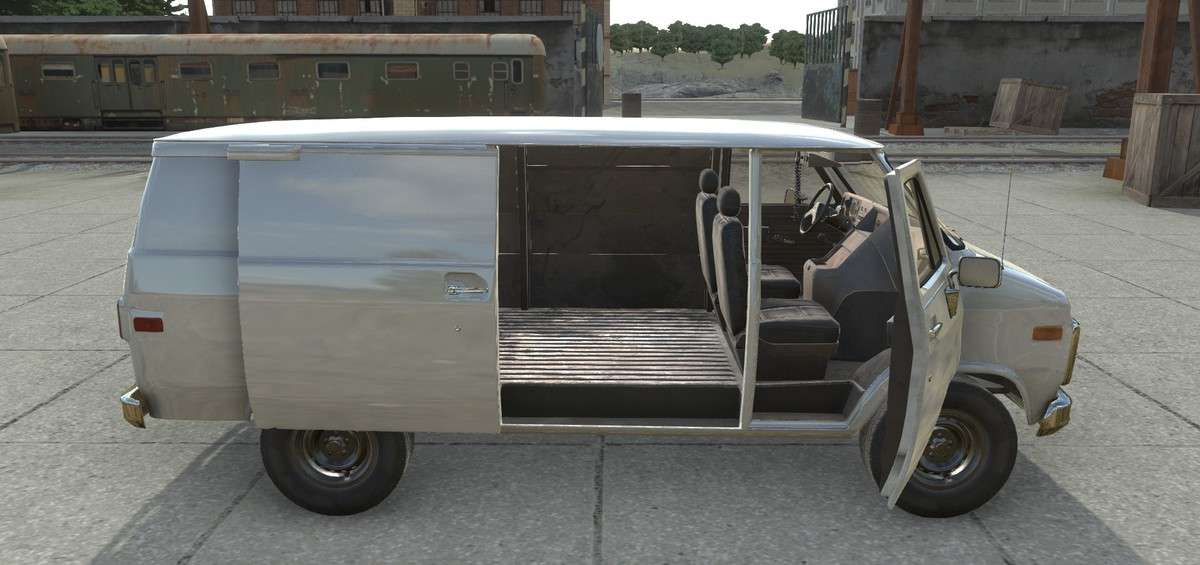
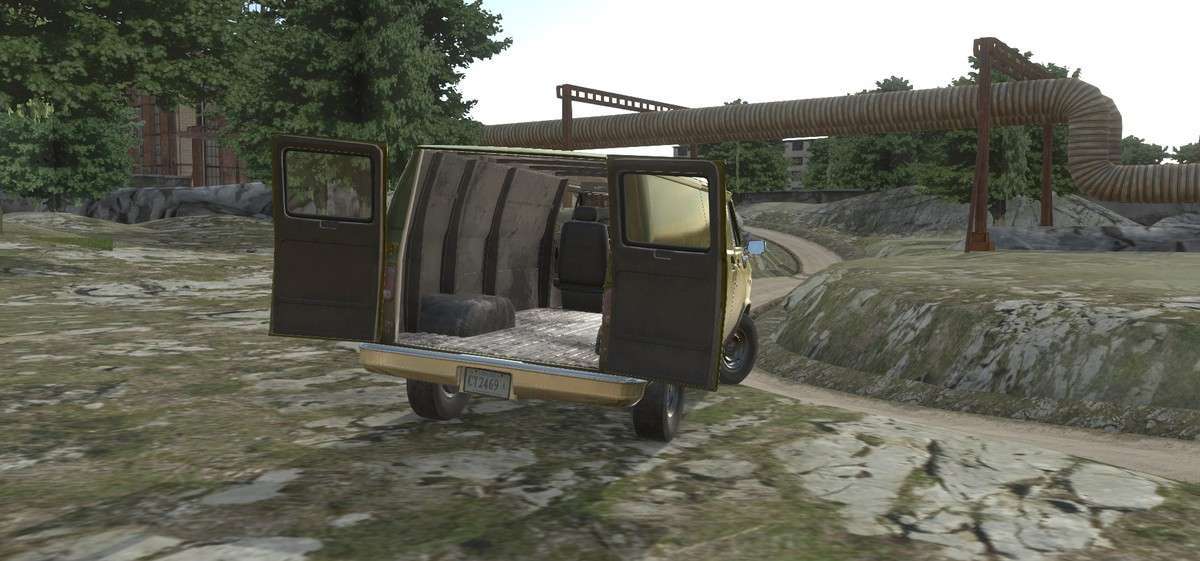
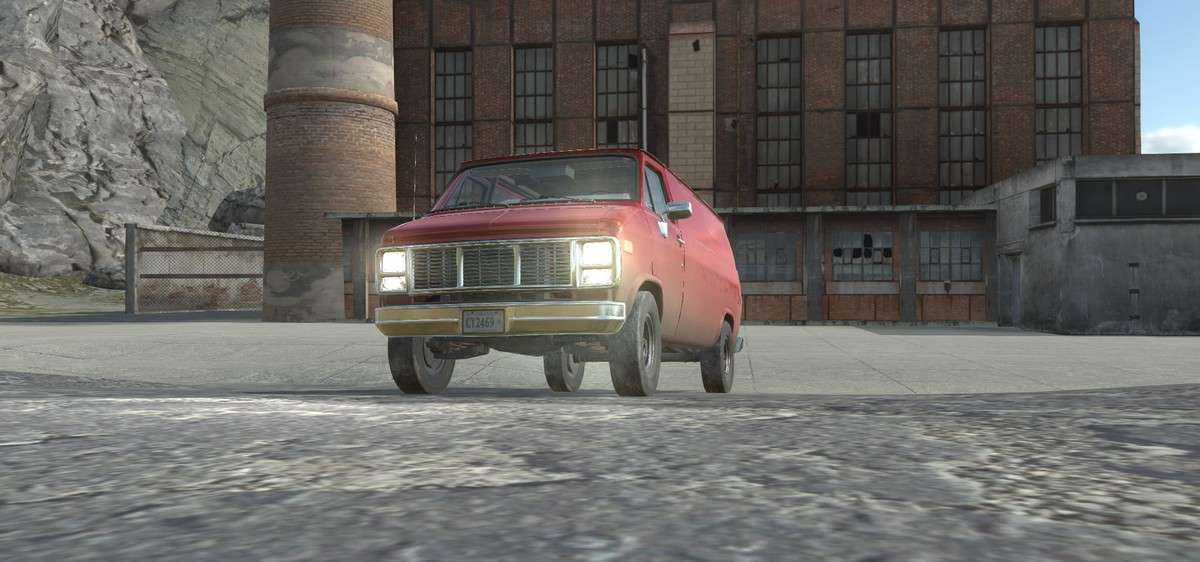
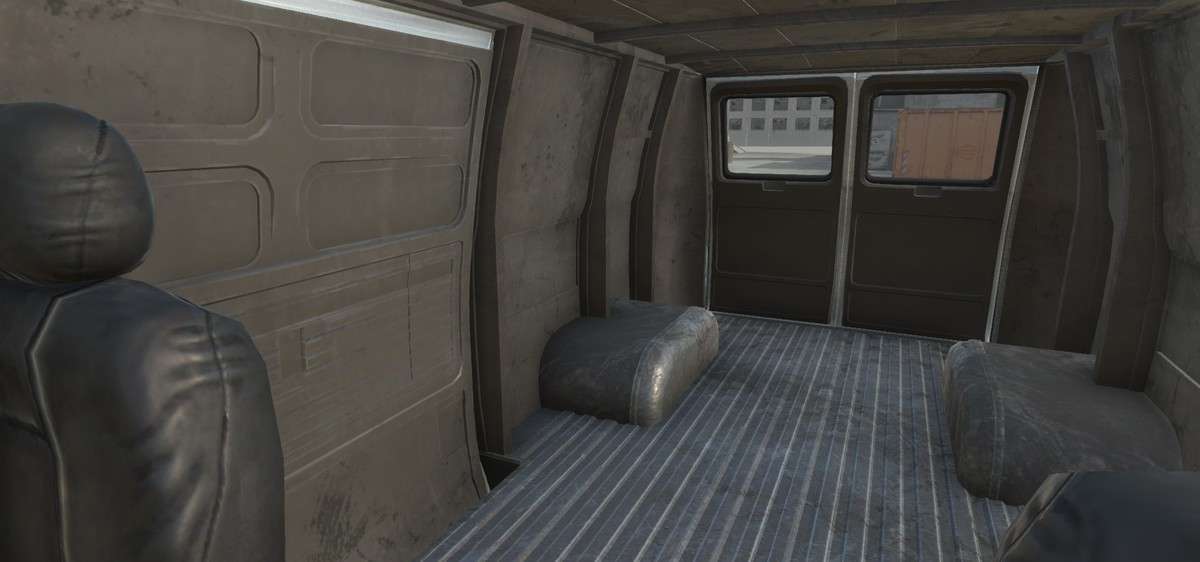
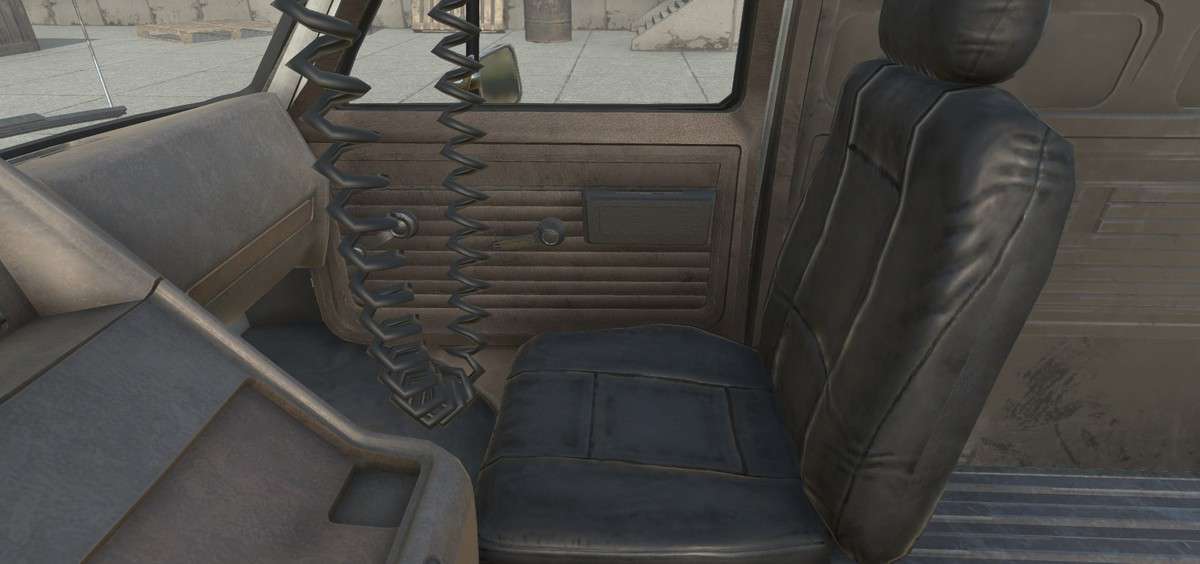
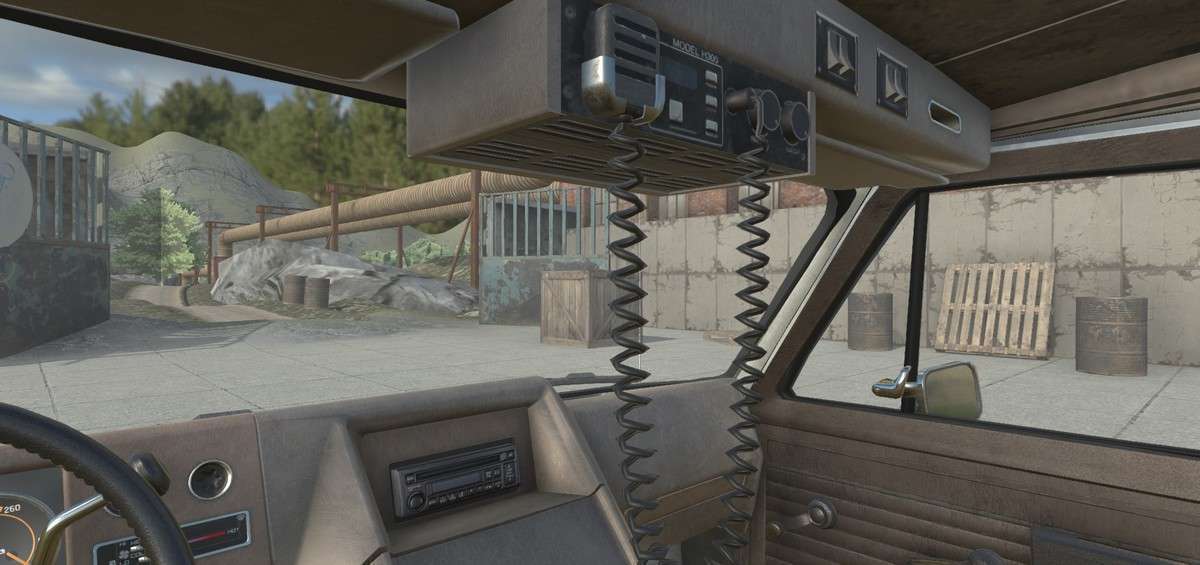
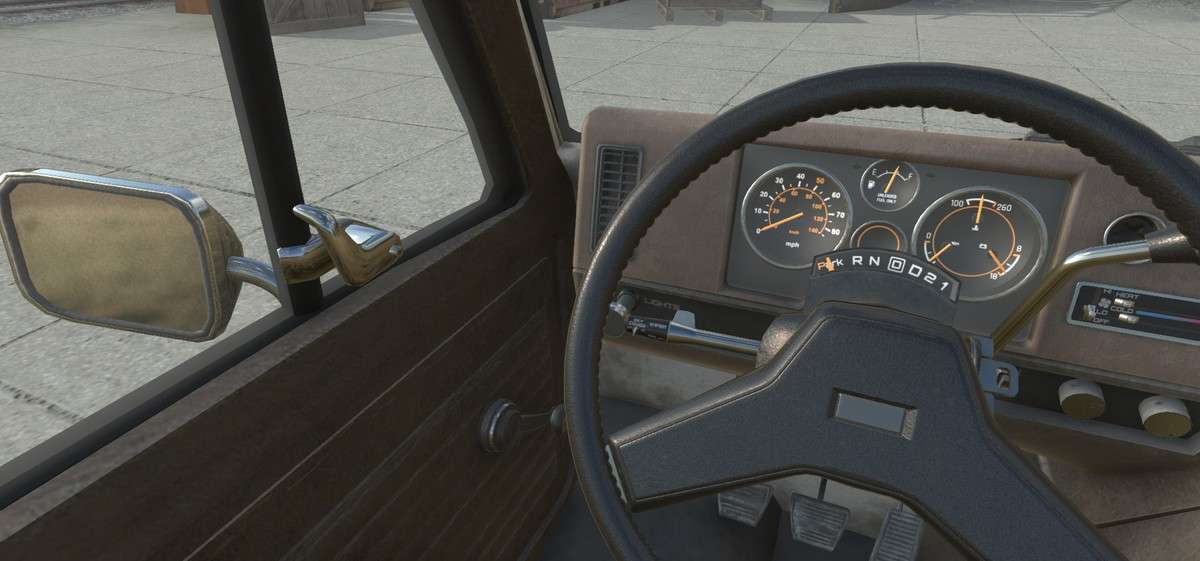
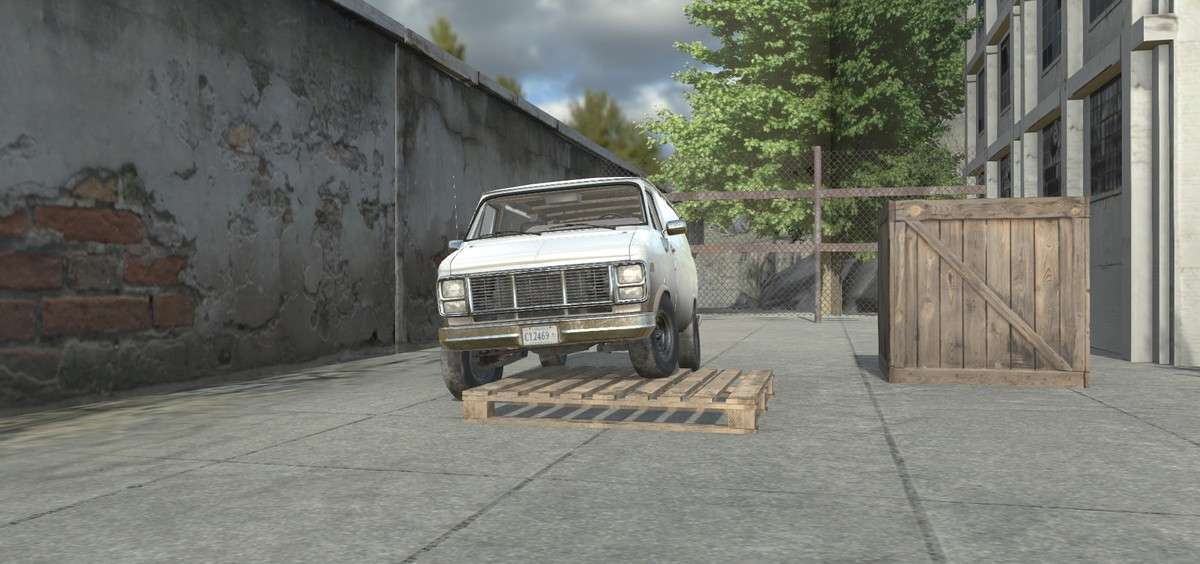
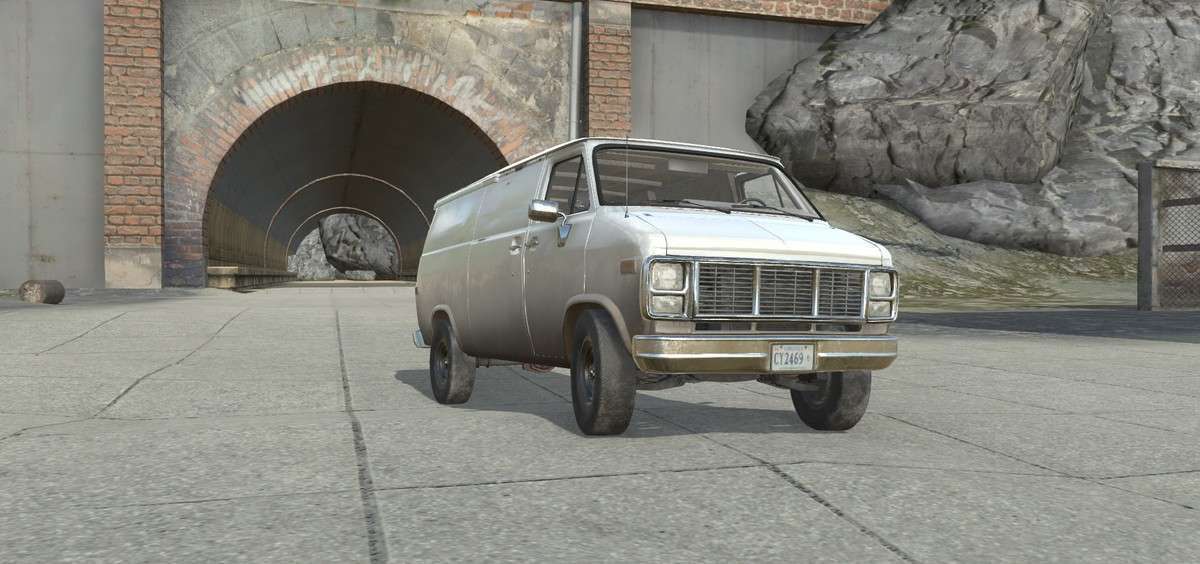
For simulators and high-end desktop projects, the Minibus 1990 Unity 1.0.0 provides a level of mechanical detail rarely found in standard vehicle assets. With 104k triangles and 157 individual mesh elements, it is built for interactivity. The inclusion of suspension bones and a rigged walkie-talkie wire in the cockpit means you can achieve realistic physical feedback that goes far beyond a simple MeshCollider approach.
Integration Tips
- Physics Setup: Note that this is a high-quality model, not a complete vehicle physics controller. I recommend integrating it with Edy’s Vehicle Physics or RCC (Realistic Car Controller). You will need to map the provided suspension bones to the wheel-hub transforms of your physics script.
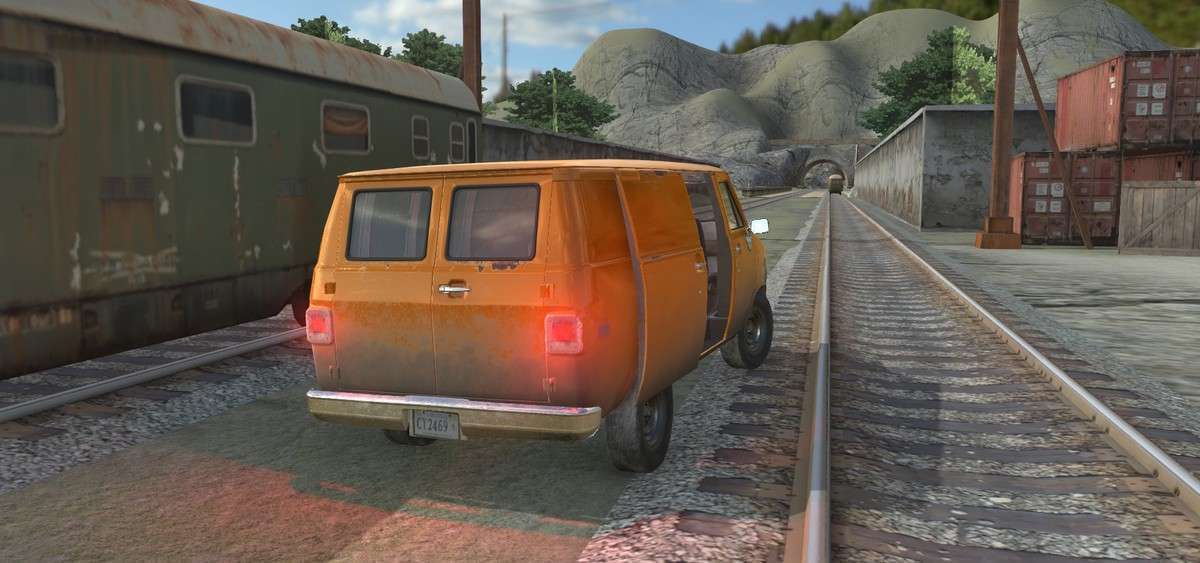
- Shader Customization: Use the included custom shaders to adjust rust and dust levels via script. You can tie the “Dust” parameter to a trigger zone to make the van look dirtier as the player drives through off-road areas.
- Optimization: Since the model is 104.2k triangles, it is quite heavy for mobile. If targeting mid-range devices, use the Mesh Baker or a similar tool to combine internal meshes that won’t be animated or interacted with by the player.
Best Use Cases
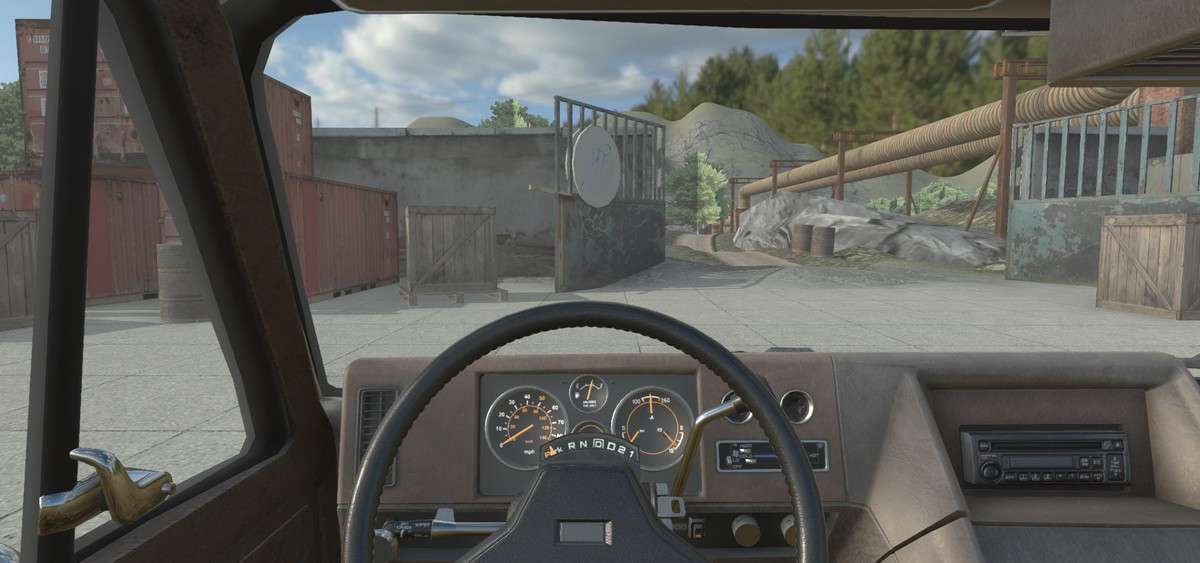
- Driving Simulators: The fully detailed interior and dashboard make this perfect for first-person driving games where the player spends a lot of time inside the cockpit.
- Environmental Storytelling: Because of the high mesh separation (doors, hood, engine parts), it’s ideal for a “car repair” mechanic or a post-apocalyptic scavenger scene where the vehicle needs to be dismantled.