
Technical Overview
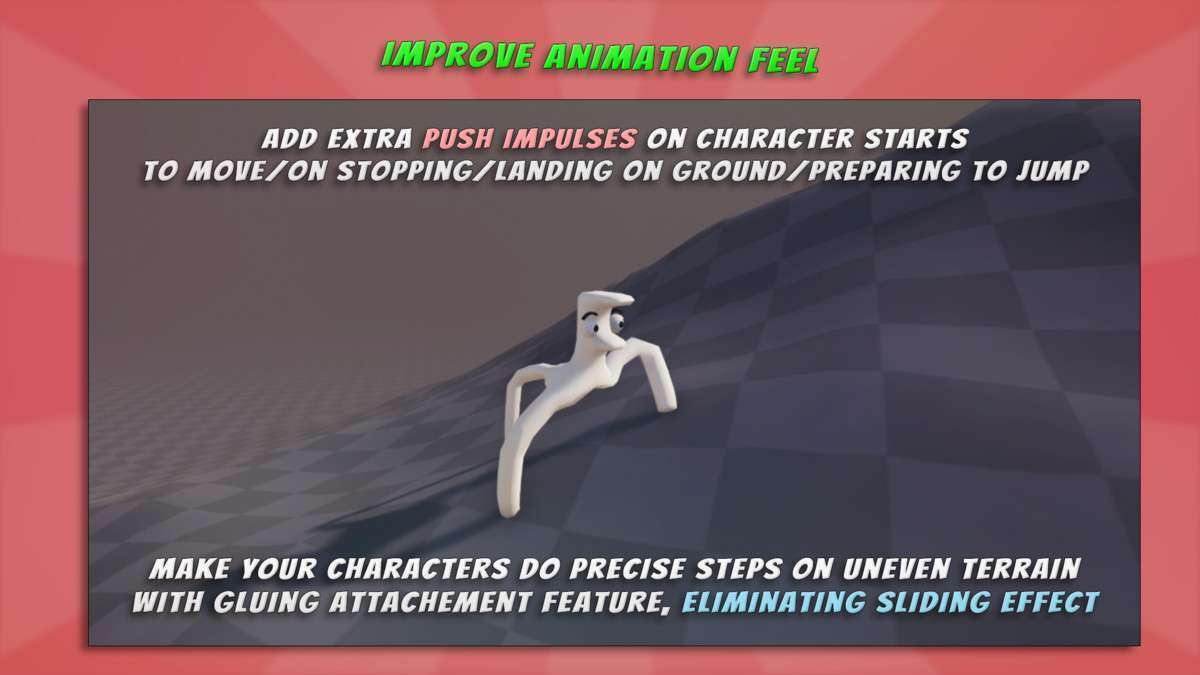
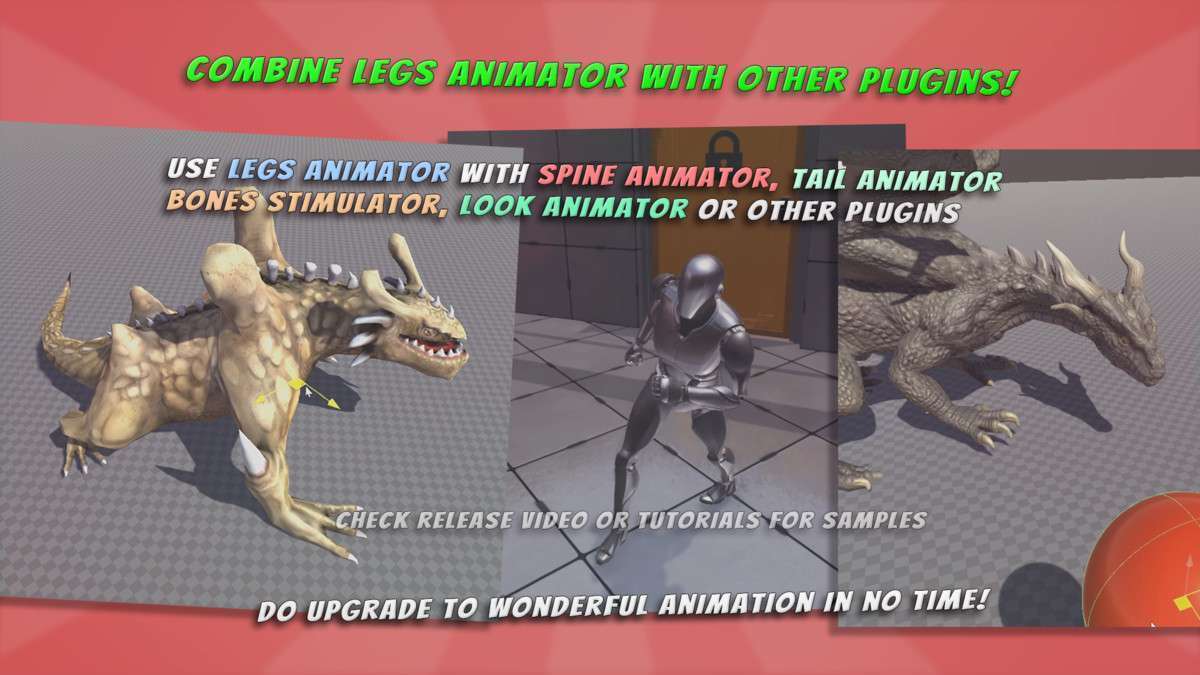
We’ve deployed Legs Animator Unity across several multi-legged creature rigs to solve the ‘foot sliding’ issue common in non-root-motion animations. This component sits on top of your existing Animator and handles the IK weight blending and placement logic. It is particularly robust because it computes positions and rotations that can be fed into other IK solvers like Final IK or Unity’s built-in Mecanim Foot IK, giving you a high degree of control over the final transform state in LateUpdate.
Integration Tips
The most critical step is disabling ‘Optimize Game Objects’ in the Rig tab of your model importer; otherwise, the internal transform hierarchy isn’t accessible for the procedural logic. Note that as of the current version, there is a known conflict with Unity’s Animation Rigging package—specifically the ‘Two Bones Constraint IK’—because it tends to discard source animation data before the Legs Animator can process it. If you need both, you will need to bridge them via custom scripts or stick to the Legs Animator’s internal IK solution.
Best Use Cases
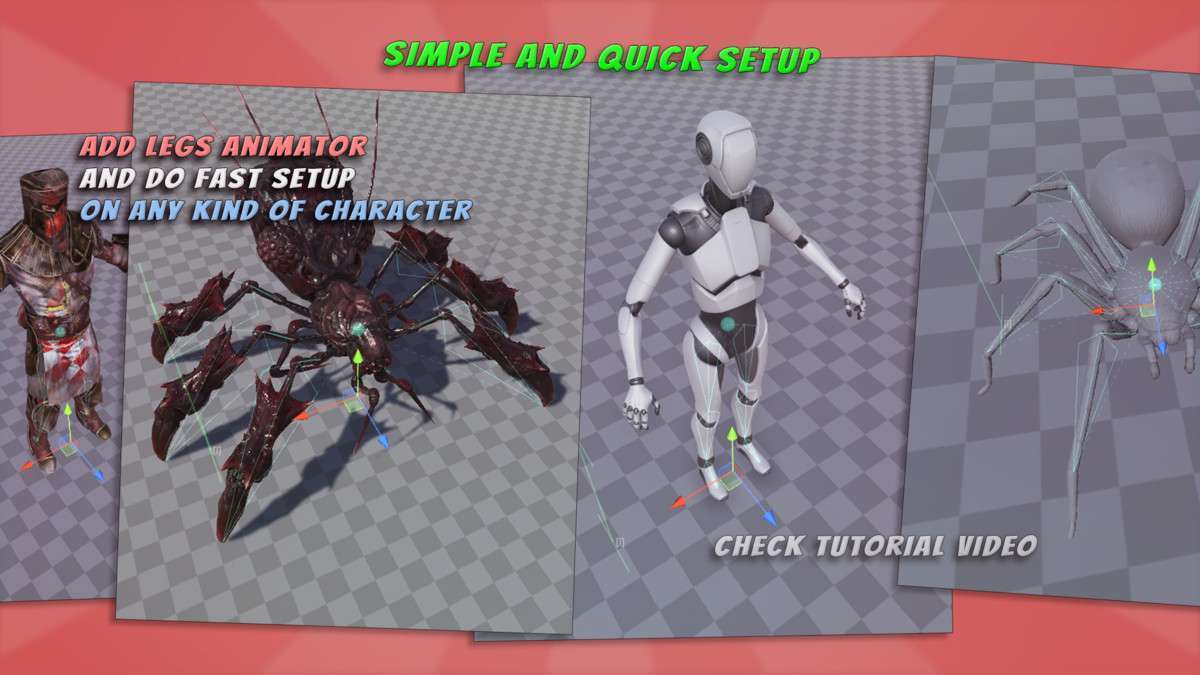
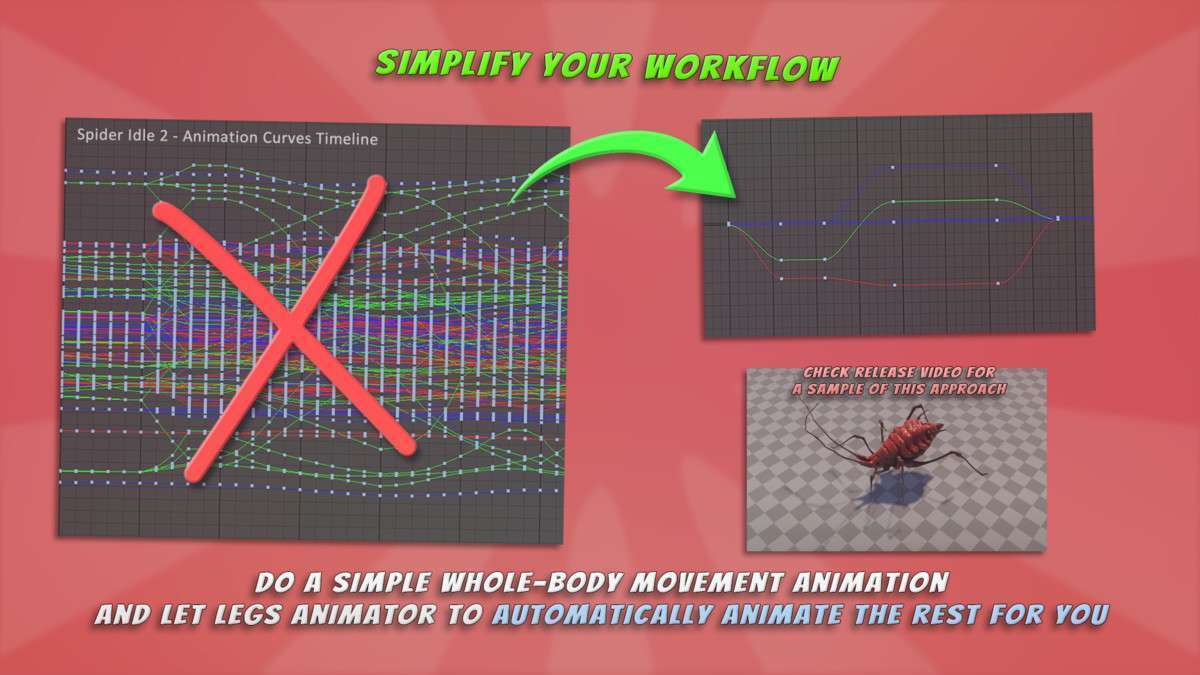
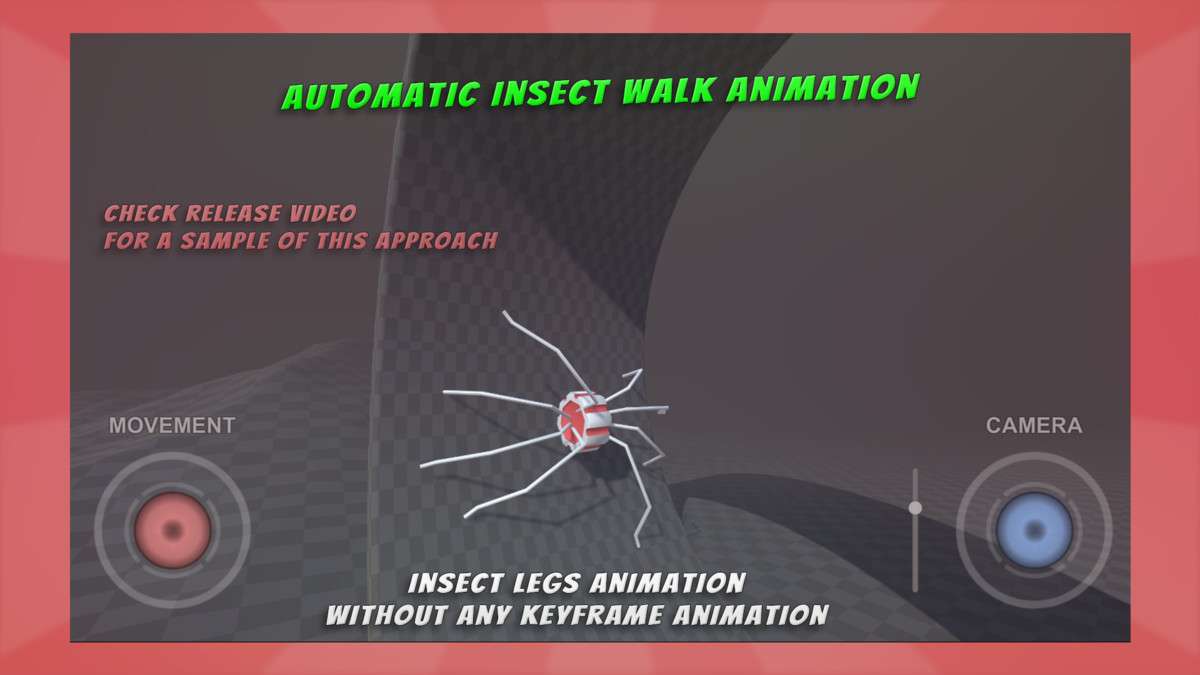
- Procedural Hexapods and Spiders: Animating an 8-legged creature manually for uneven terrain is a nightmare. This asset excels here by handling the ‘gluing’ of each leg independently, though you must monitor the performance cost as each leg essentially adds a calculation load similar to a character controller move.
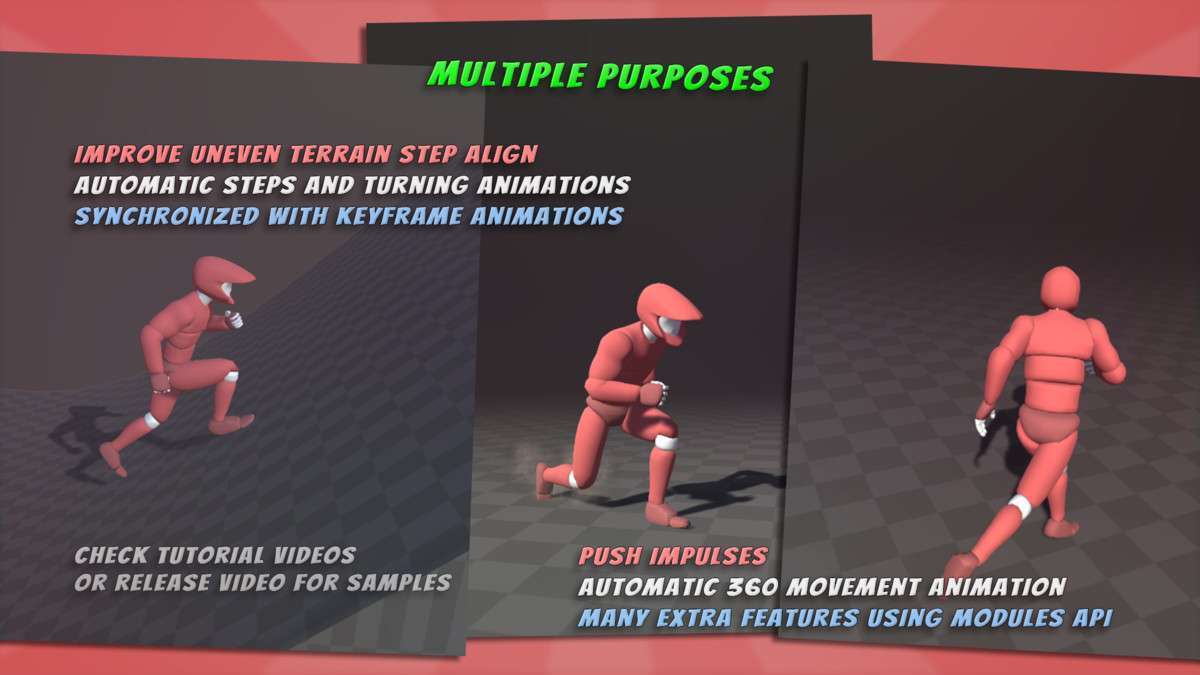
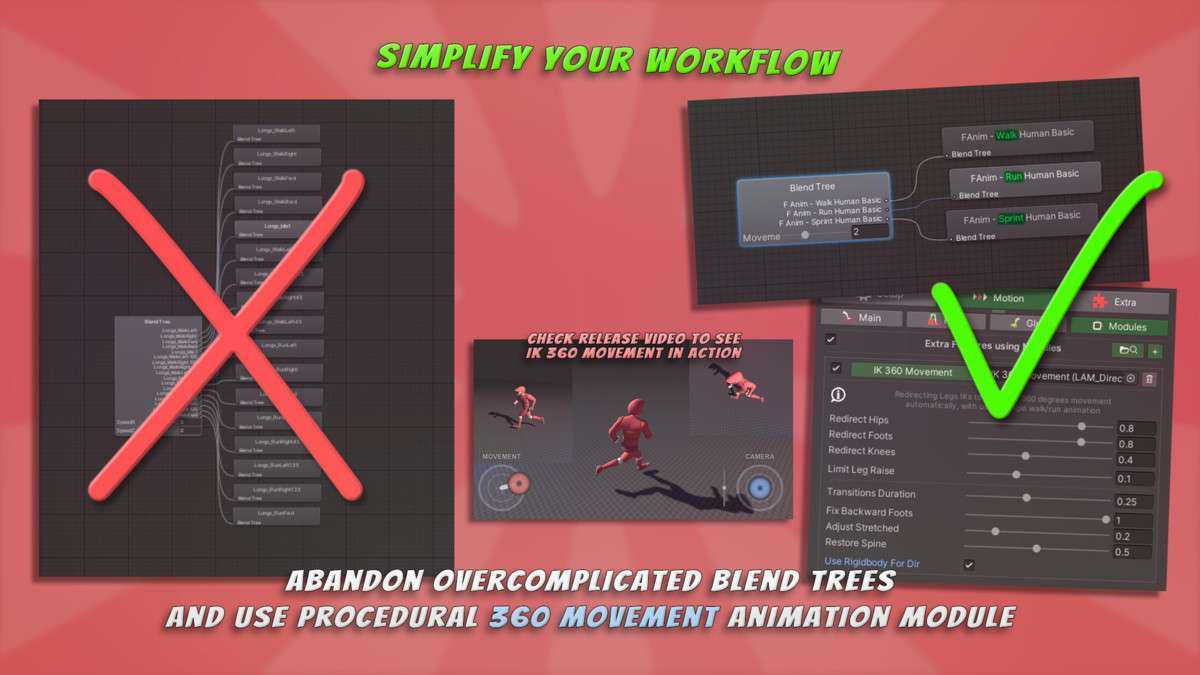
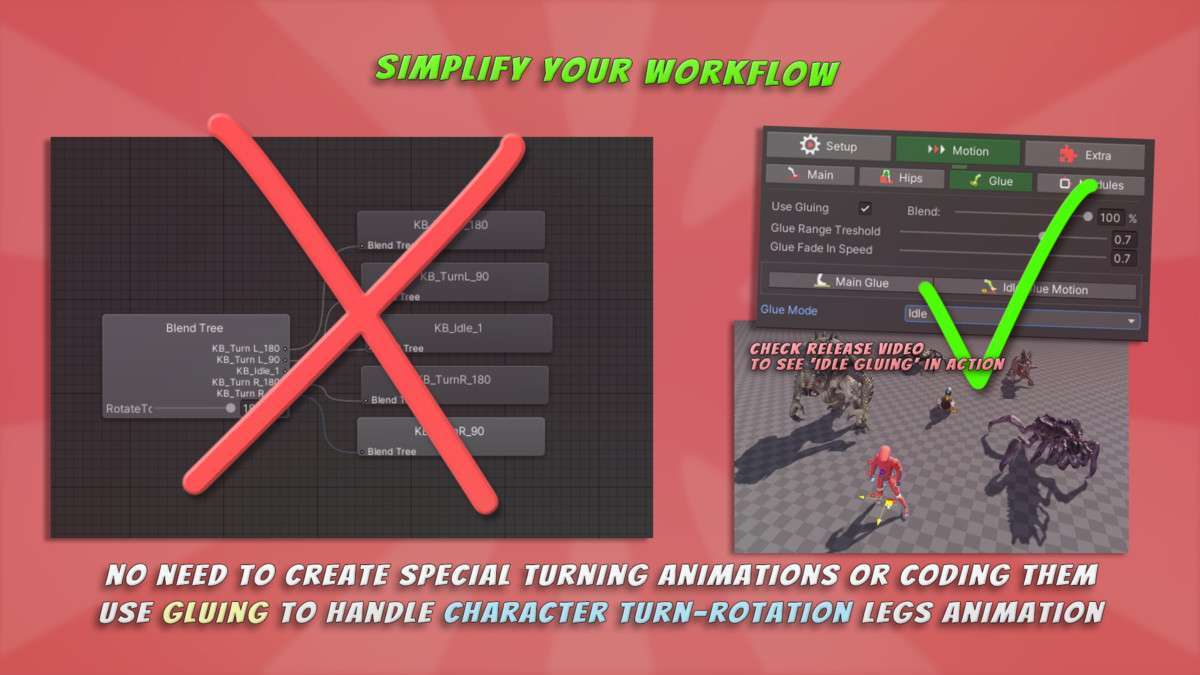
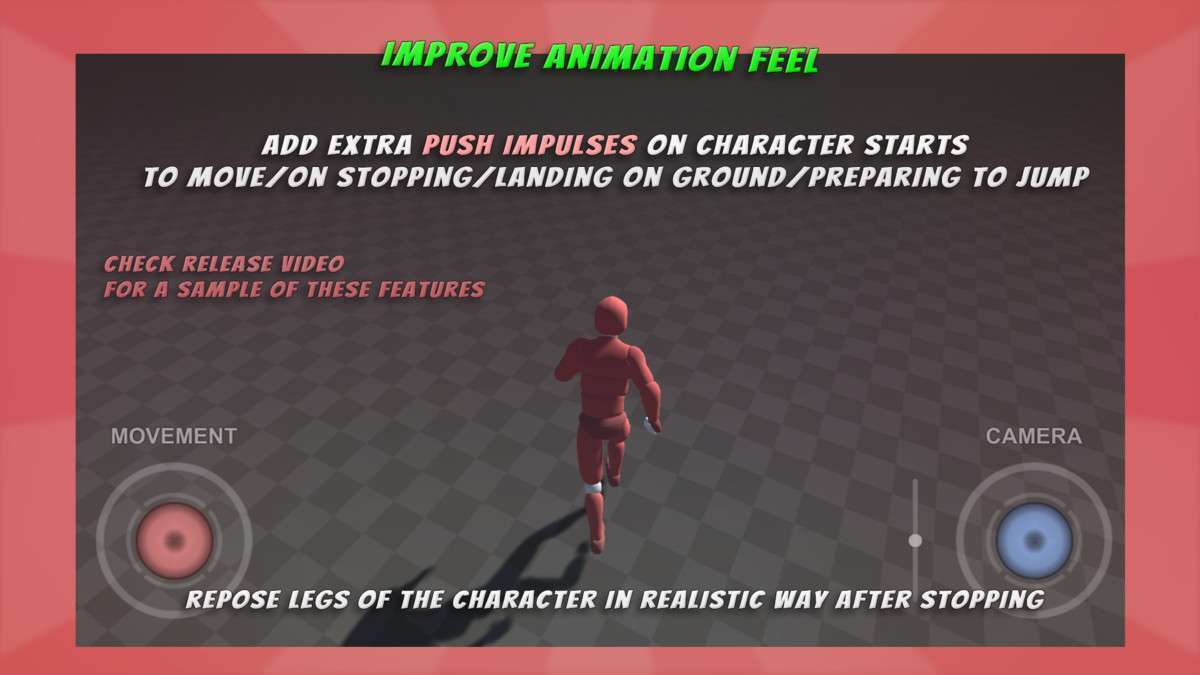
- Humanoids with Variable Movement Speeds: If your game uses dynamic speed blending where feet often slide, the ‘Movement Gluing’ feature effectively fixes the connection to the ground without requiring a massive library of transition clips.