
Final IK: A Lead Developer’s Perspective
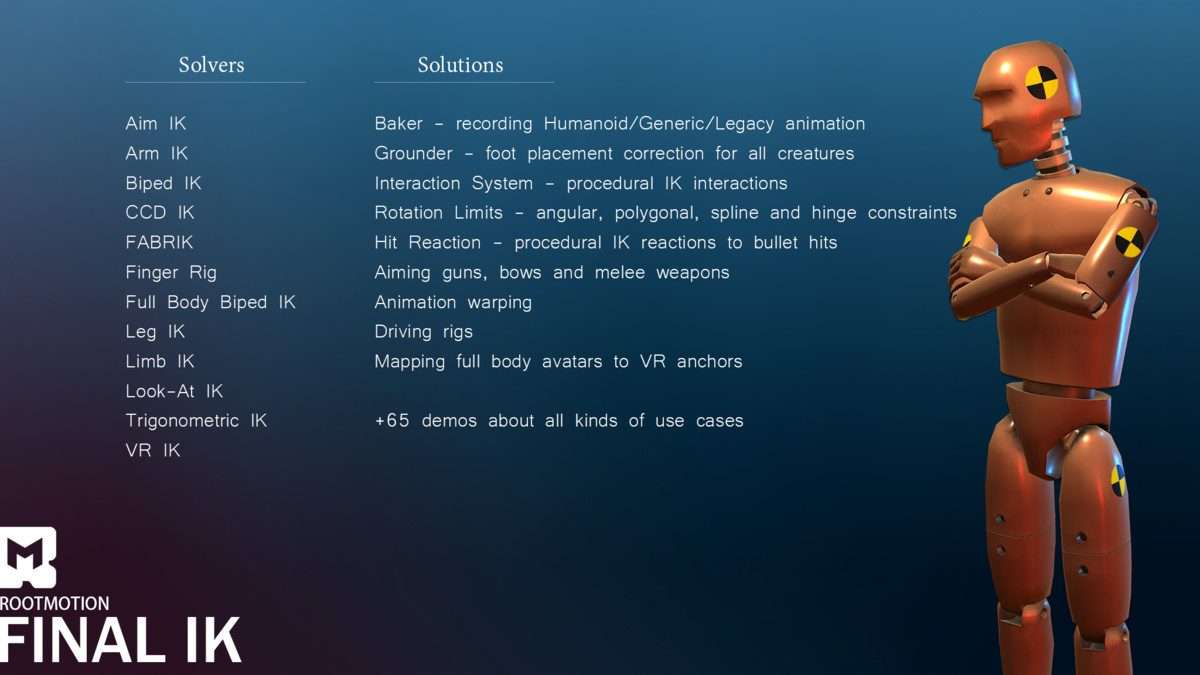
Final IK Unity is an indispensable Inverse Kinematics solution that goes far beyond basic limb manipulation. Having implemented Final IK 1.9.0 for character animation systems, I can confirm its ability to solve complex rigging and animation problems, from realistic foot placement on uneven terrain to full-body interactions. It offers a comprehensive suite of IK solvers, allowing developers to choose the most efficient and appropriate method for specific animation challenges, significantly improving character believability.
Integration Tips
- Animator Component Dependency: Most Final IK components, especially
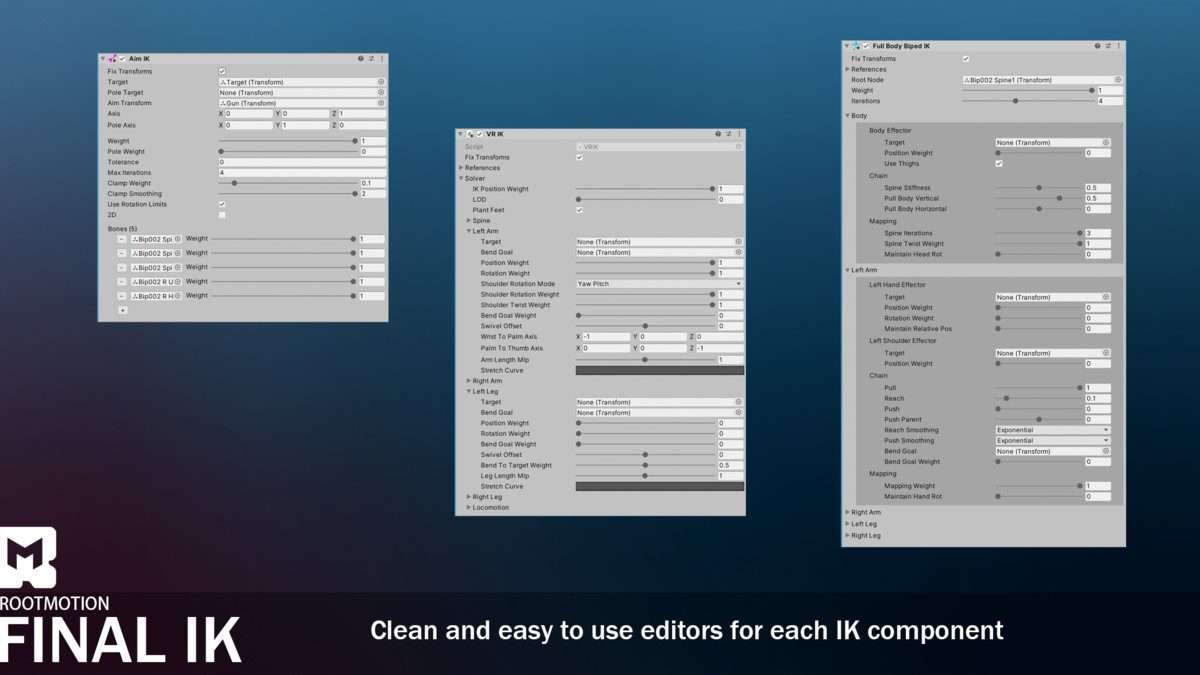
VRIKandFull Body Biped IK, assume the presence of a UnityAnimatorcomponent with a properly configuredAvatarandHumanoidrig. Ensure your character prefabs have these set up correctly before adding IK scripts to avoidnull referenceexceptions or unexpected joint behavior, as the IK solvers rely on the Animator’s bone hierarchy. - Script Execution Order: For critical IK setups, especially those affecting real-time character movement, consider adjusting the
Script Execution Orderin Project Settings. Placing IK scripts to execute *after* animator updates but *before* physics updates can prevent jitter or lag, ensuring IK corrections are applied optimally within the frame before physics simulation takes over. - Interaction System Setup: When using the
Interaction System, pay close attention to theInteraction Targetsand theirCollidersetup. Incorrect trigger volumes, missingRigidbodies, or misconfigured collision layers on interactive objects can lead to unreliable interaction detection. It’s often beneficial to define these targets on separate, dedicated child GameObjects within your interactable prefabs for clearer organization. - Grounder Component Collision Layers: The
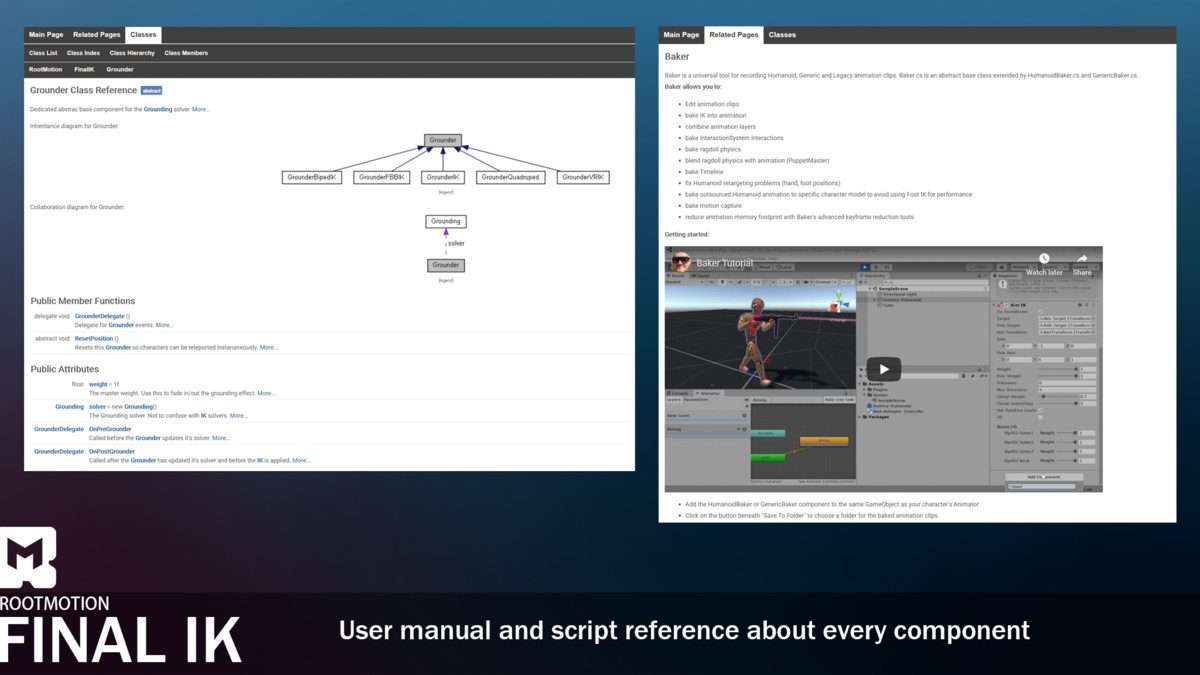
Groundercomponents (e.g.,GrounderIK,GrounderFBBIK) are powerful for foot placement. They rely onraycastsorspherecastsfor ground detection. Ensure your scene’s collision layers are properly configured so the raycasts hit the desired ground surfaces and ignore other objects (like other characters, props, or UI elements) that shouldn’t influence leg placement, optimizing performance.
Best Use Cases
- VR/AR Character Systems:
VRIKis specifically designed for VR avatars, allowing for highly realistic body presence from head and hand tracking data. This is crucial for immersive VR experiences where the player’s avatar needs to dynamically adapt to their physical movements, resolving common issues like elbow bending and shoulder rotation that are problematic with simpler IK setups. - Third-Person Action/Adventure Games: Components like
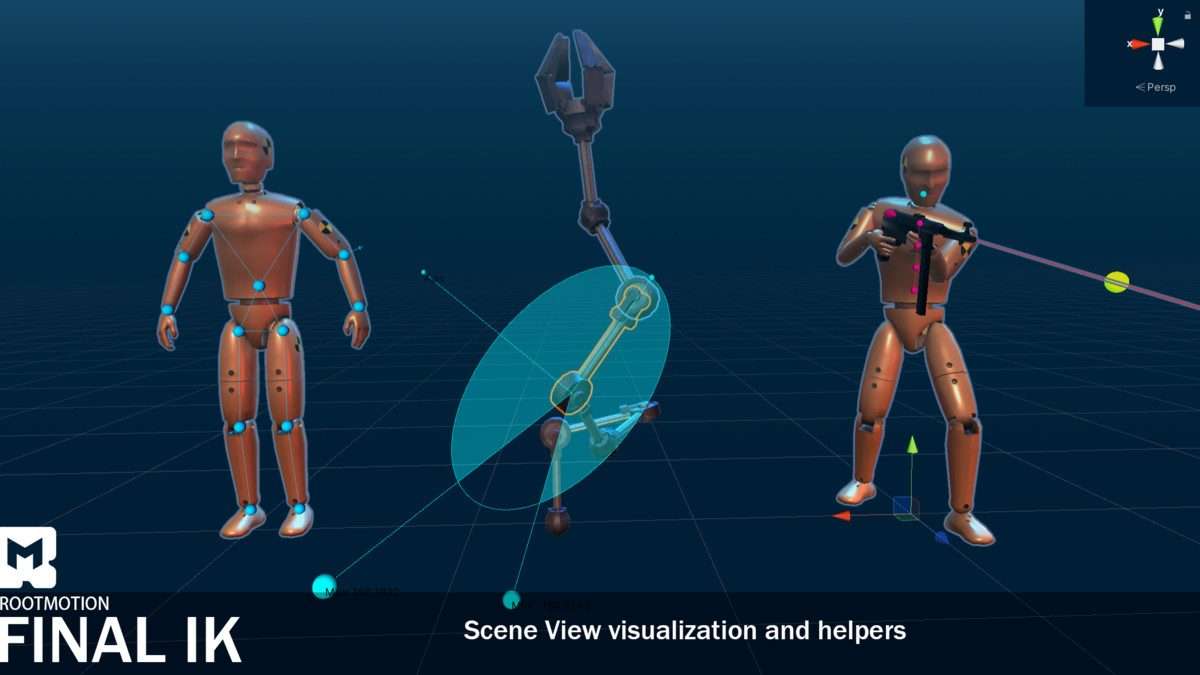
Full Body Biped IK,Look-At IK, andGrounderare essential for creating believable character animations. For example, aLook-At IKon the head and spine can make characters naturally track targets, whileGrounderensures feet conform to slopes and stairs, eliminating foot sliding and improving overall animation quality, especially during procedural movements or character interactions within complex environments.