
Technical Overview
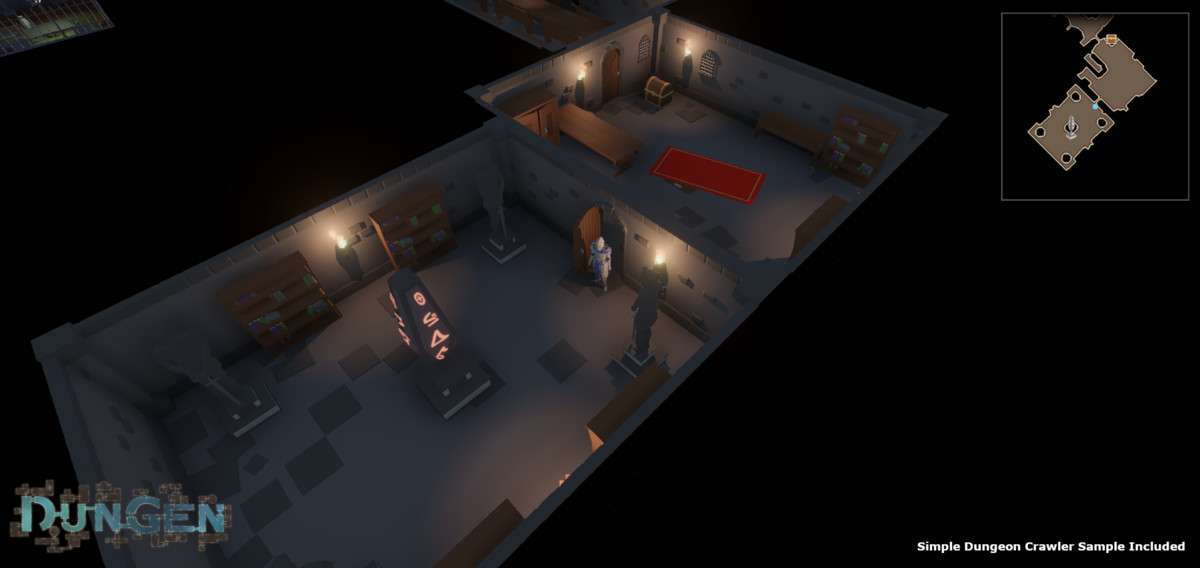
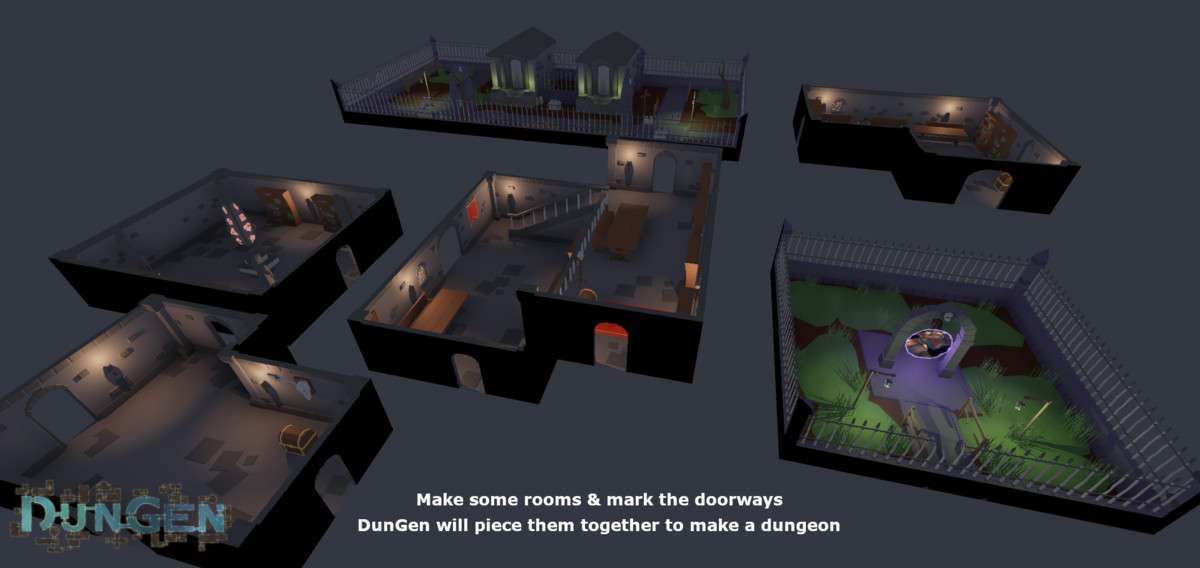
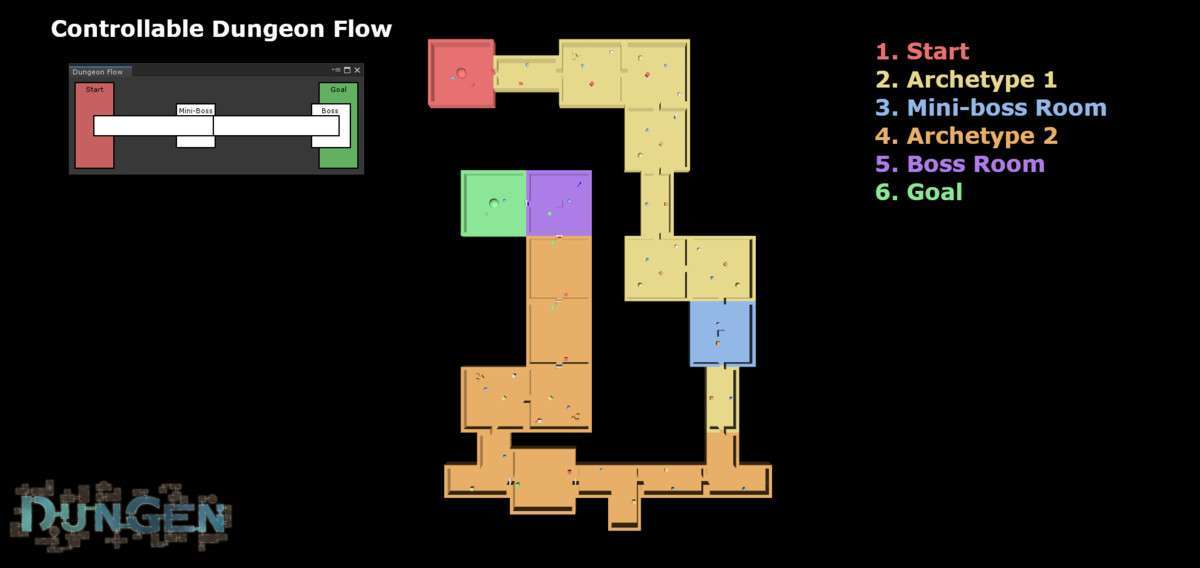
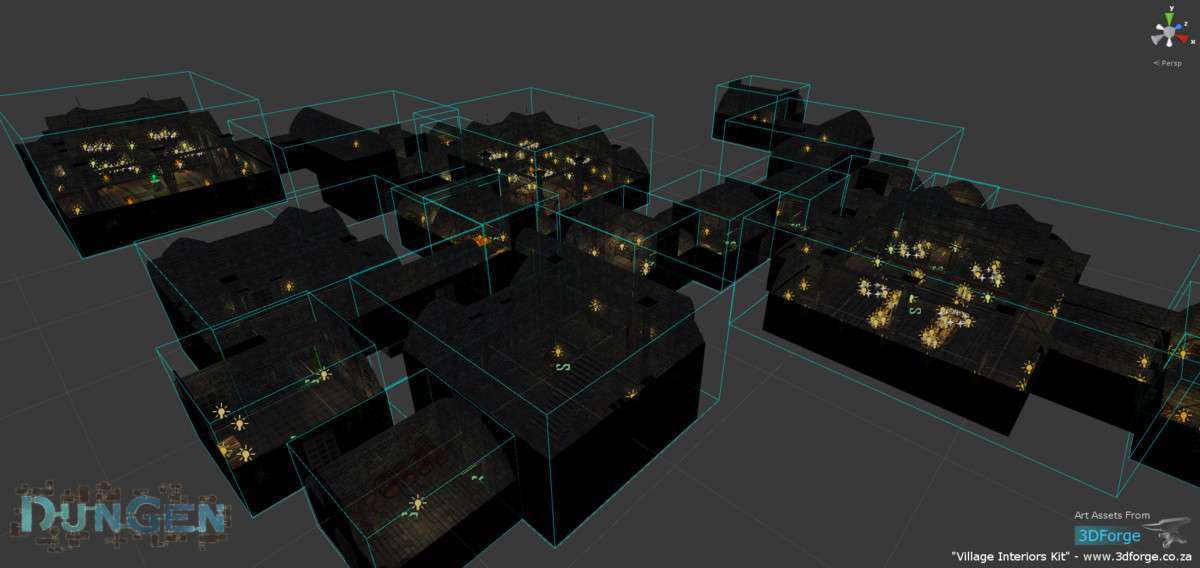
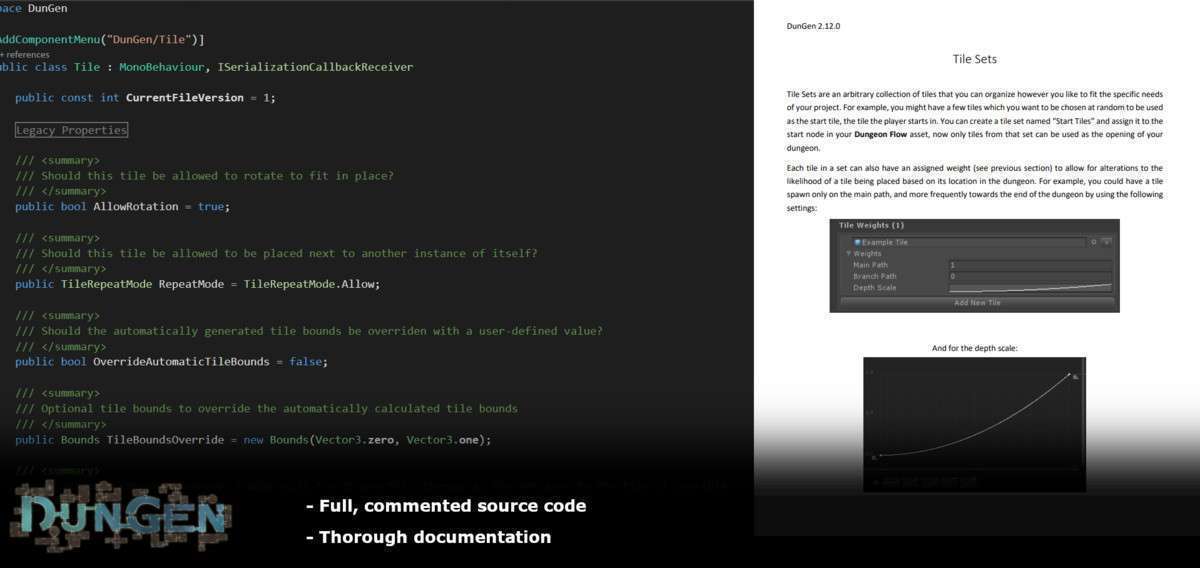
Our recent procedural workflow relies on DunGen Unity 2.18.8 to bridge the gap between randomized layouts and hand-crafted level design. Unlike purely noise-based generators, DunGen uses a Flow Graph system to define the ‘logic’ of the dungeon (e.g., Key A must appear before Door A). Each ‘Tile’ is a standard Unity prefab, allowing level designers to bake lighting, navmeshes, and occlusion culling into individual rooms before the generator ever runs at runtime.
Integration Tips
To get the most out of DunGen, utilize the ‘Tile Injection’ feature for special rooms like shops or boss arenas; this allows you to inject specific logic that overrides the general randomization. For navigation, I recommend using the NavMesh Surface component from the NavMesh Components high-level API. This allows you to trigger a NavMesh rebuild once the generation is complete, ensuring your AI can navigate the unique layout immediately.
Best Use Cases
- Roguelike Dungeon Crawlers: The node-based flow graph allows you to control the pacing and difficulty curve (e.g., increasing branching factors as the player progresses) without losing the ‘feel‘ of a handcrafted environment.
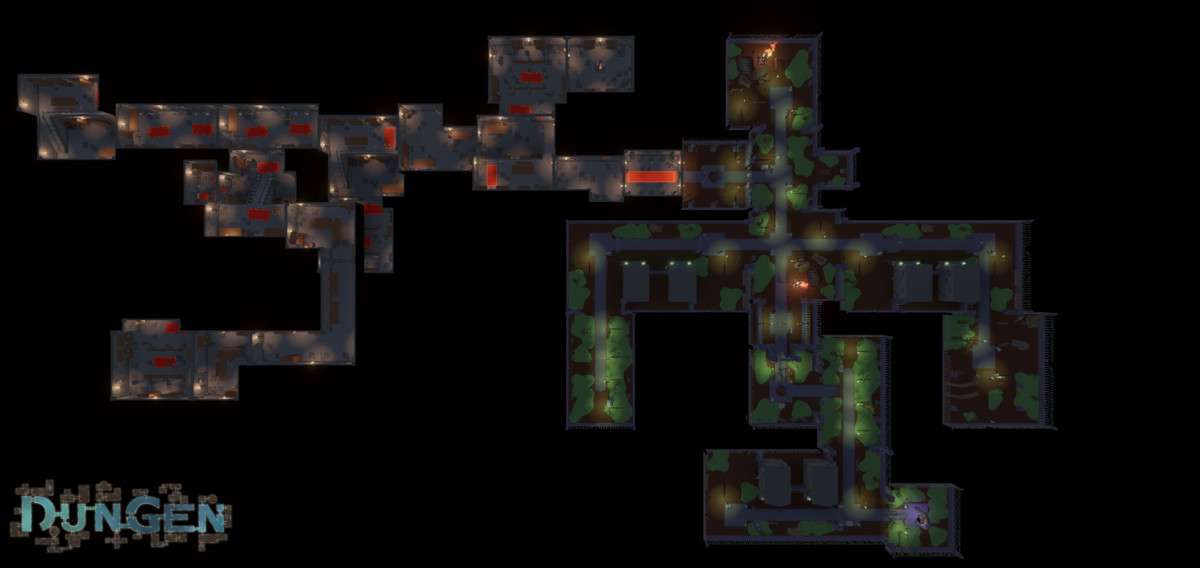
- Modular Extraction Shooters: By using large tiles and multi-floor support, you can create massive, non-linear maps that feel consistent and intentional while remaining different for every session.