
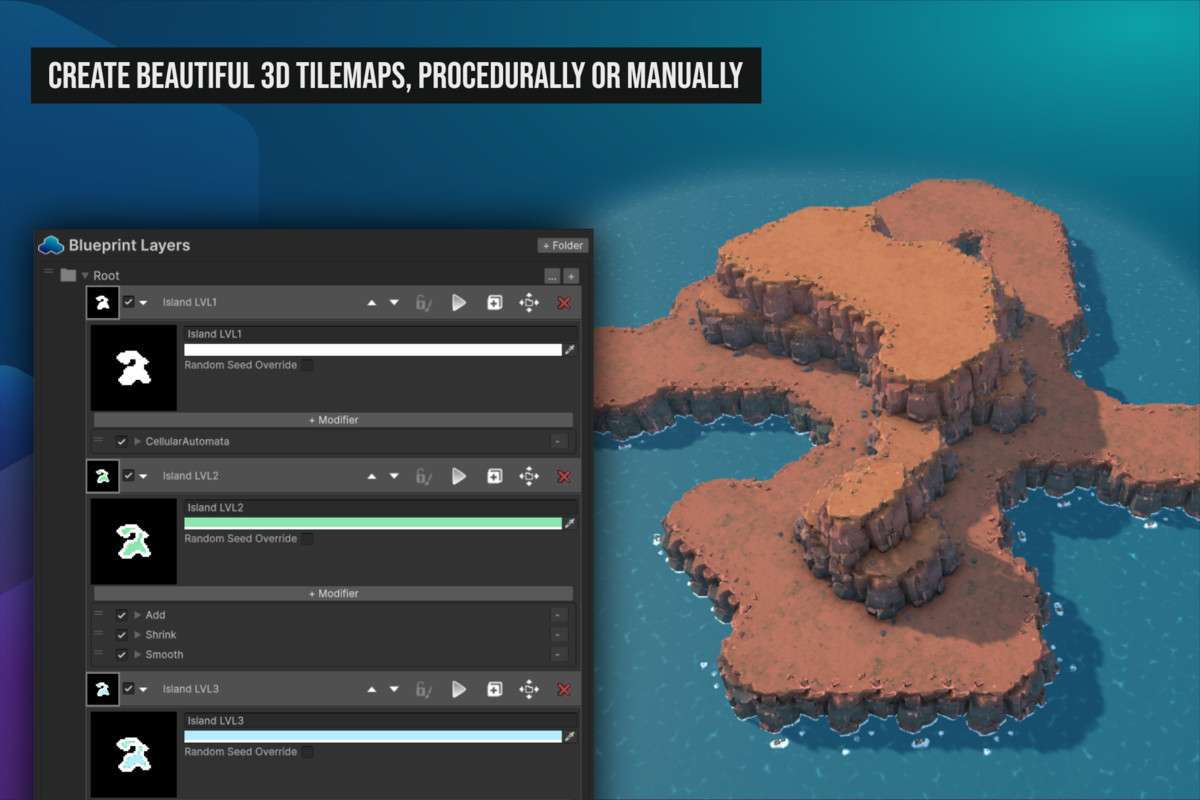
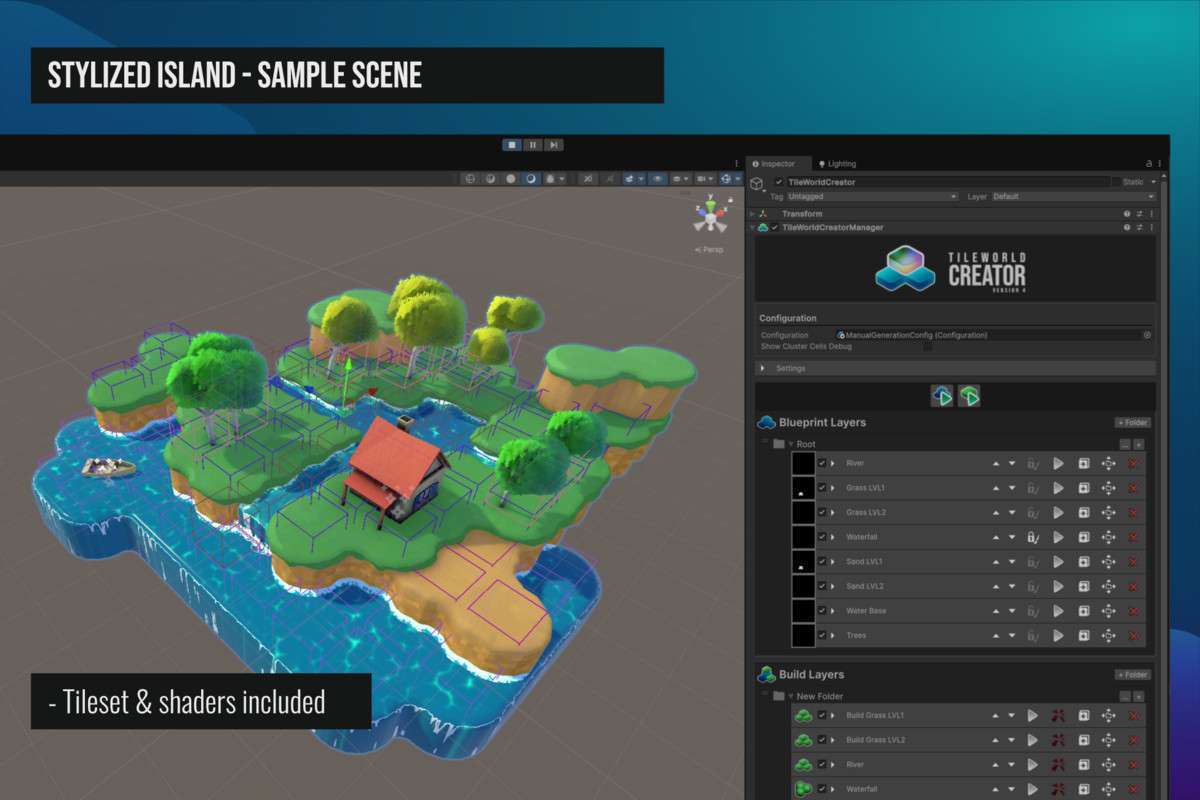
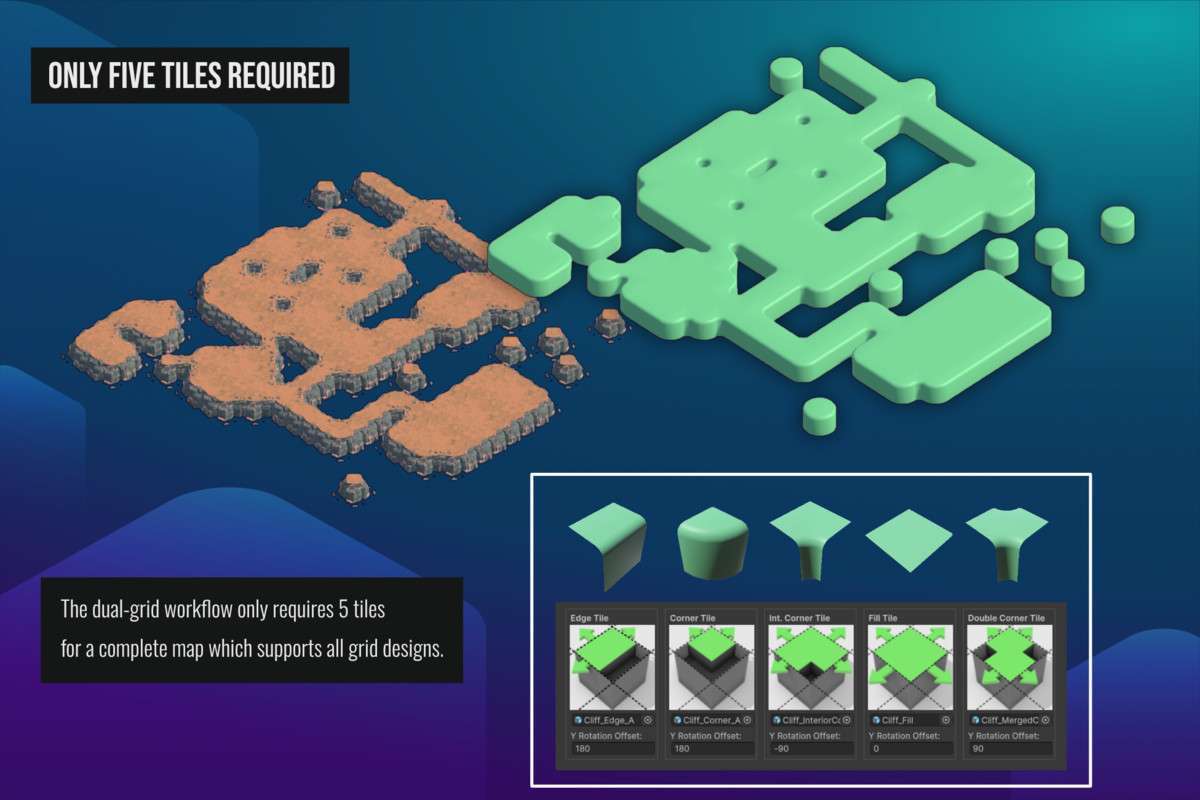

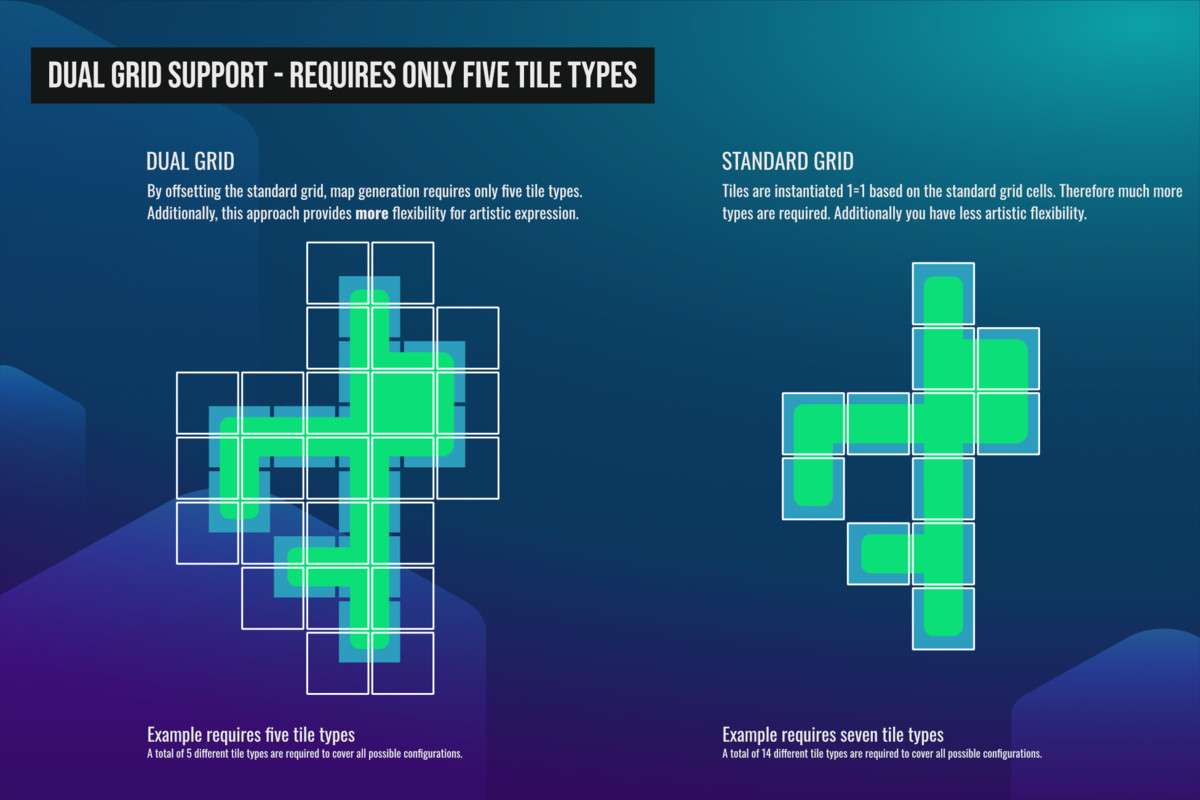
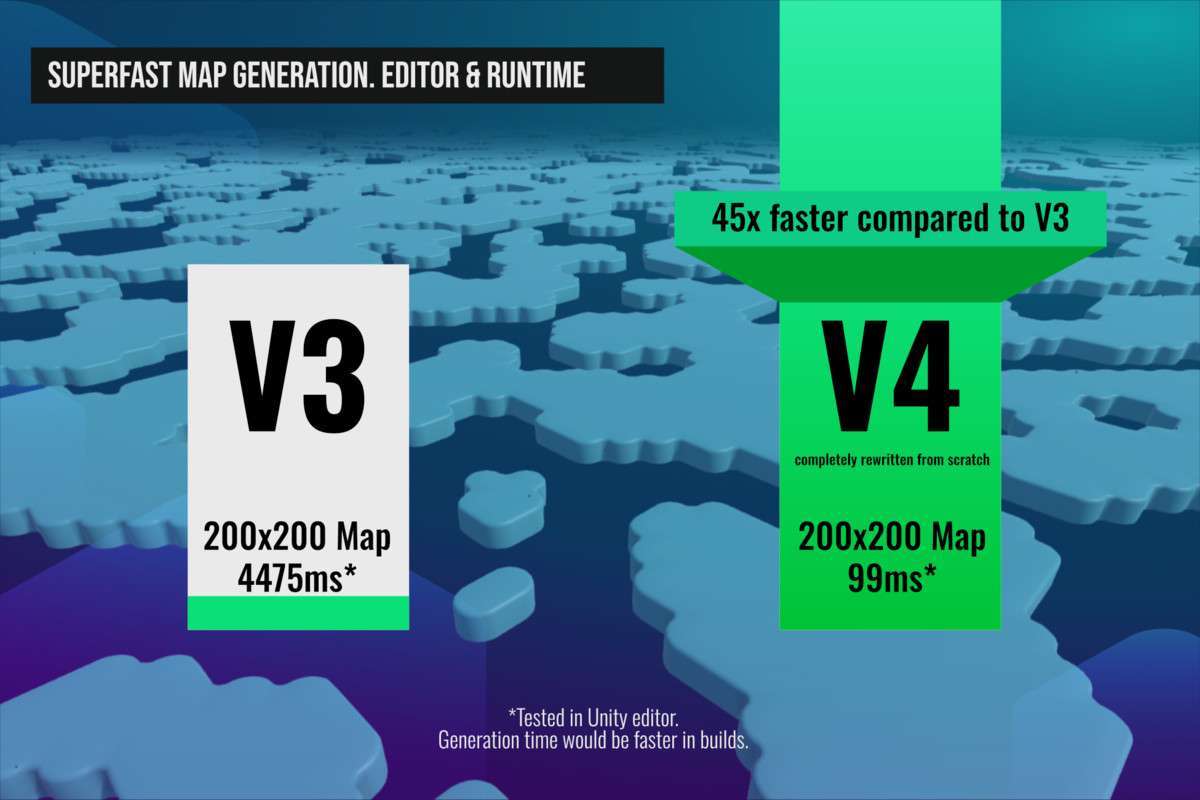
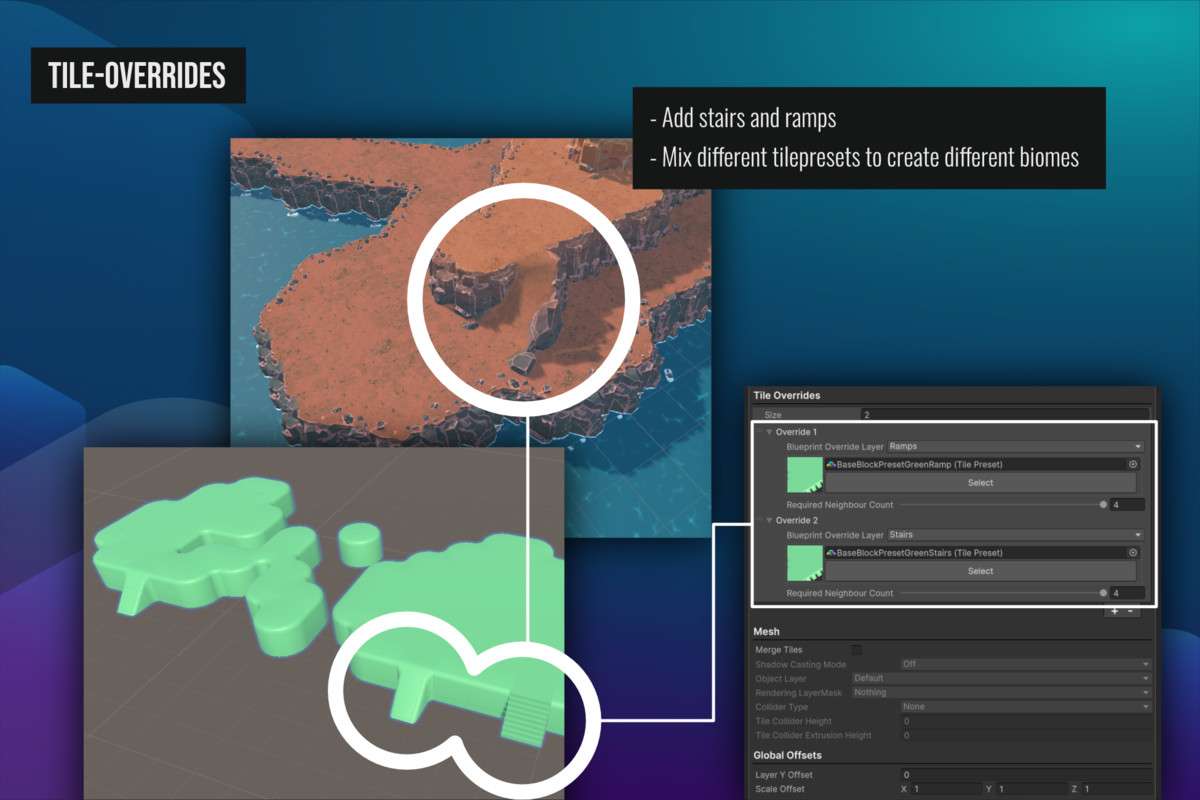
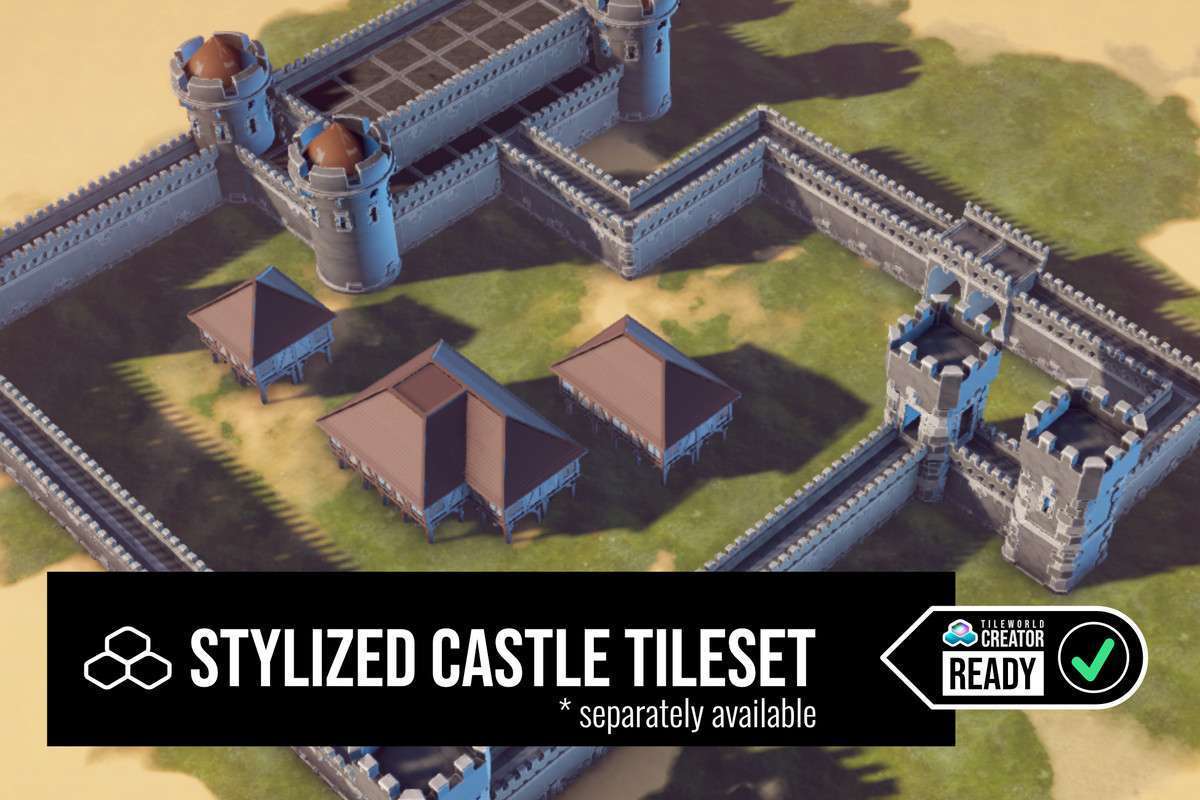
Implementing procedural level generation usually involves a massive headache with corner-case tiles, but TileWorldCreator 4 Unity simplifies this through a robust layer-based approach. Version introduces a complete rewrite that focuses on the Dual Grid system, which significantly reduces the required tile count from the traditional 15-tile set down to just 5. This leads to faster iteration and much cleaner mesh topology for your procedural maps.
Technical Overview
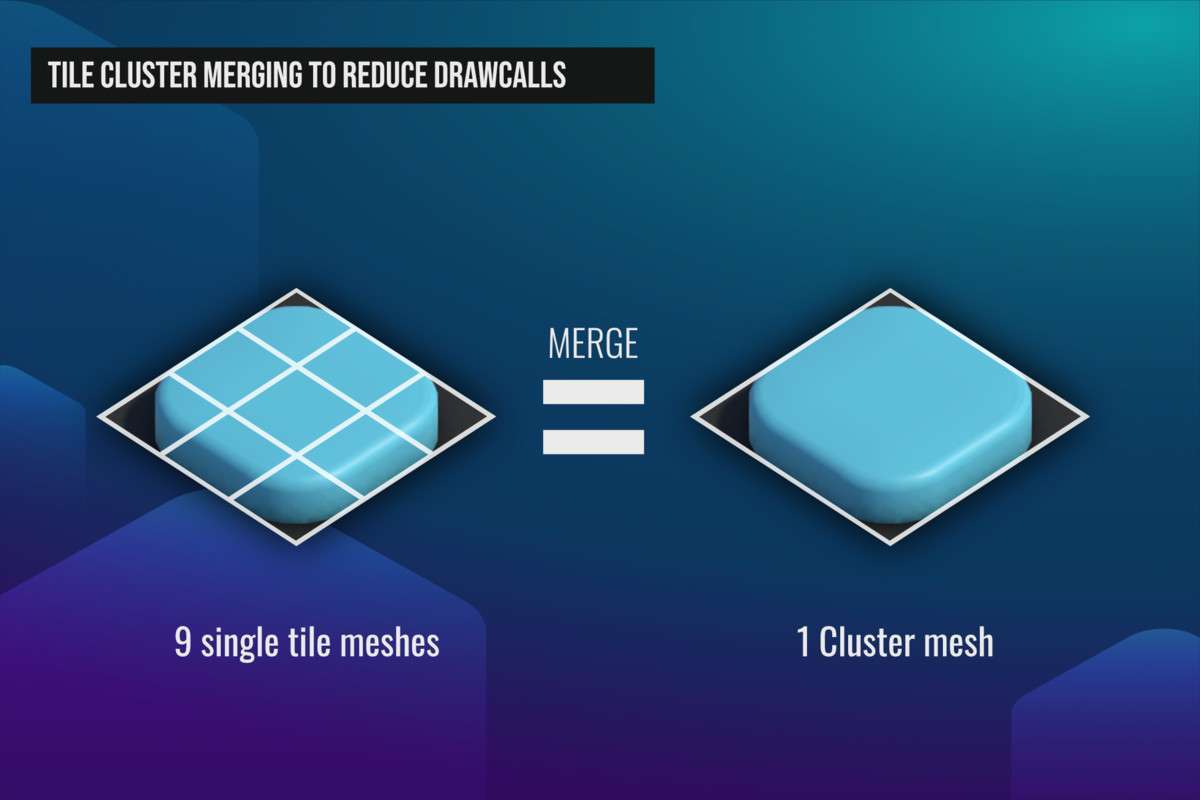
- Performance: Utilizes UIToolkit for the editor and features tile cluster merging to minimize draw calls by batching identical mesh segments.
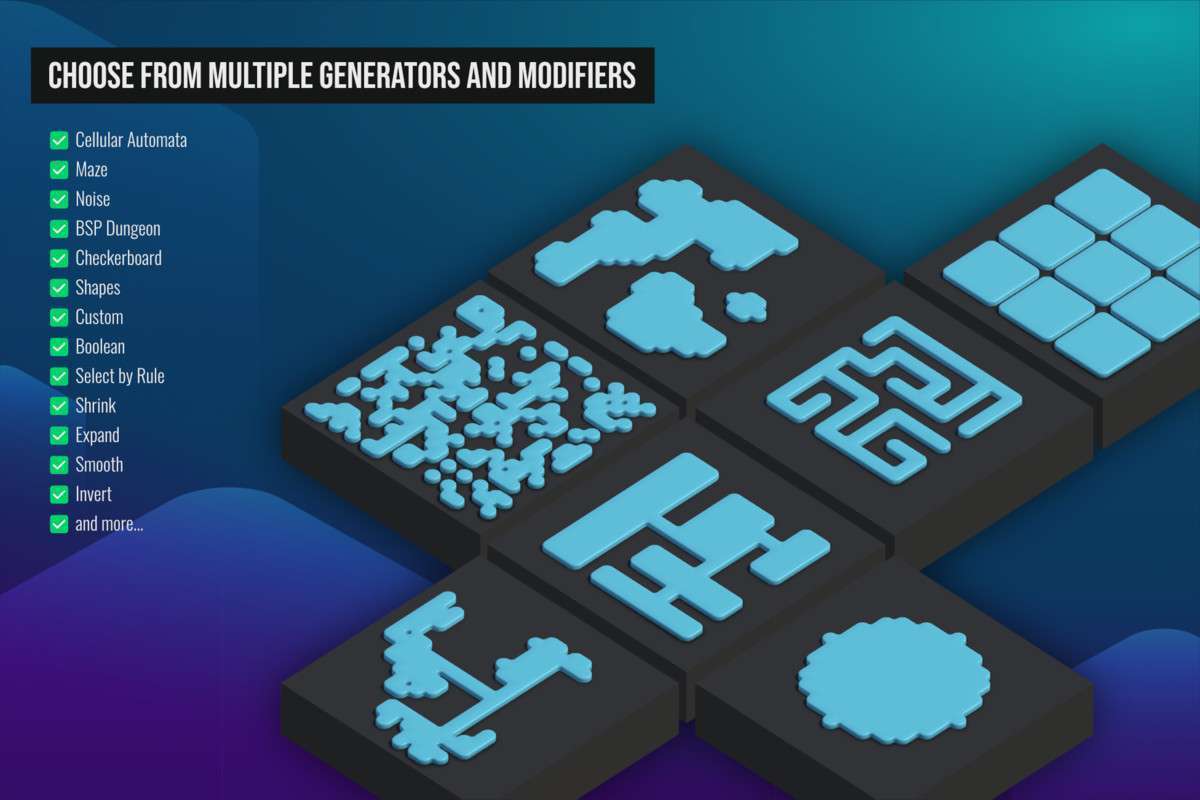
- Algorithms: Built-in support for Cellular Automata and BSP (Binary Space Partitioning) for dungeon layouts.
- Runtime API: Fully accessible via C# for developers needing to build 100% procedurally generated seeds at runtime.
Integration Tips
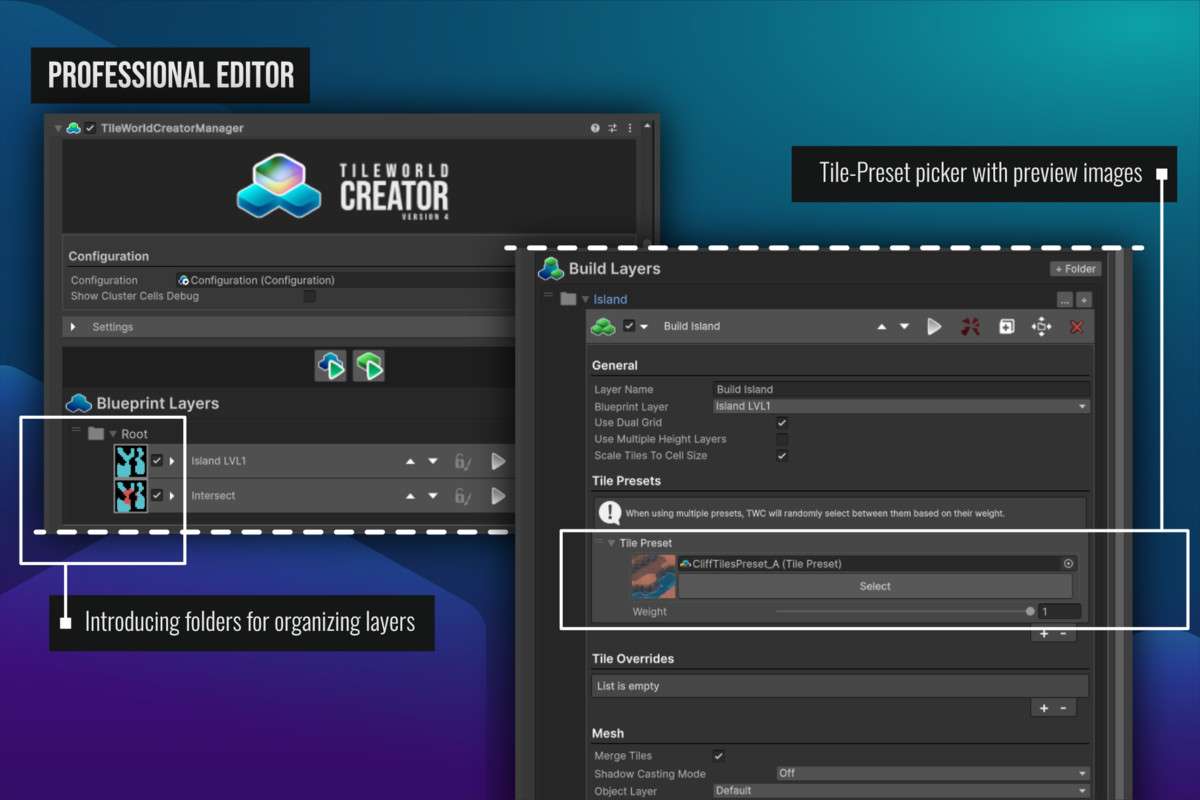
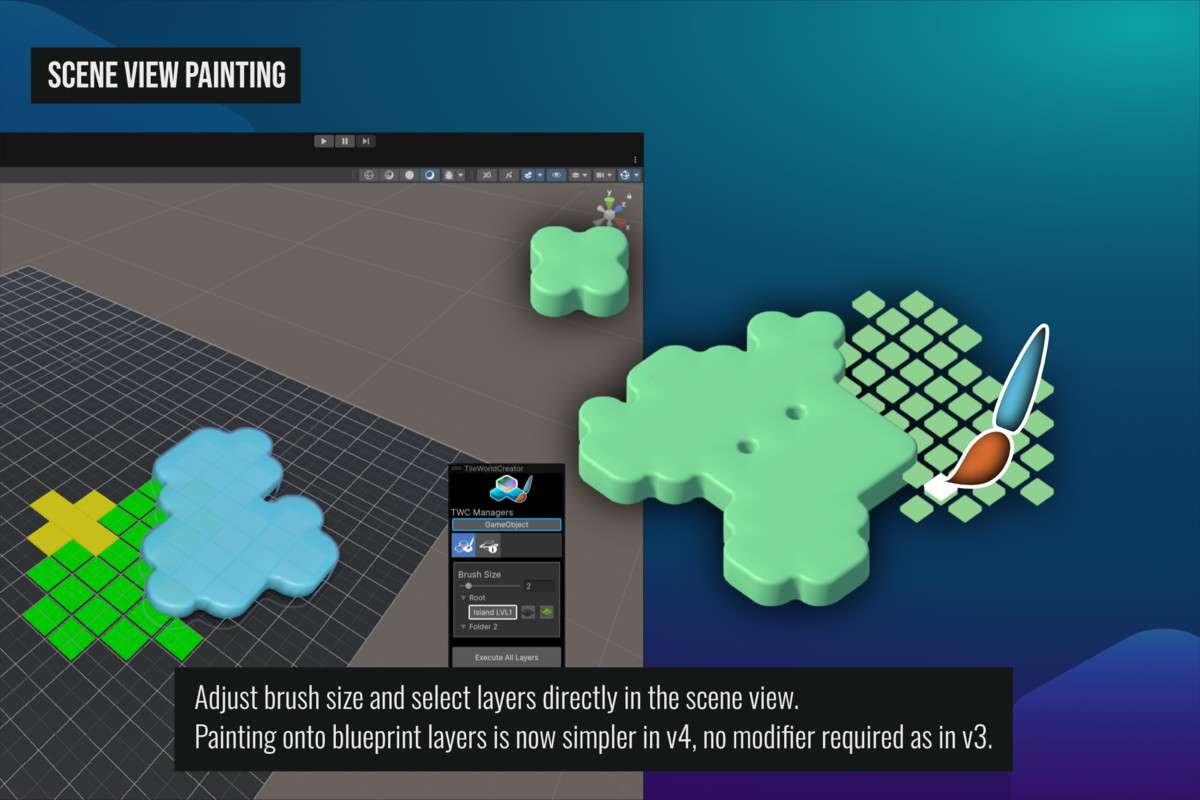
When migrating to TileWorldCreator 4, start by defining your Blueprint Layers. Avoid manual placement in the Scene View until your procedural modifiers are locked in, as the non-destructive workflow allows you to swap tilesets instantly. If you are targeting URP, ensure you use the provided Shader Graph templates to keep your materials SRP-compliant. A key tip for performance: enable “Tile Cluster Merging” for static levels to bake multiple tiles into a single mesh at runtime, which drastically reduces the overhead on the CPU’s main thread.
Best Use Cases
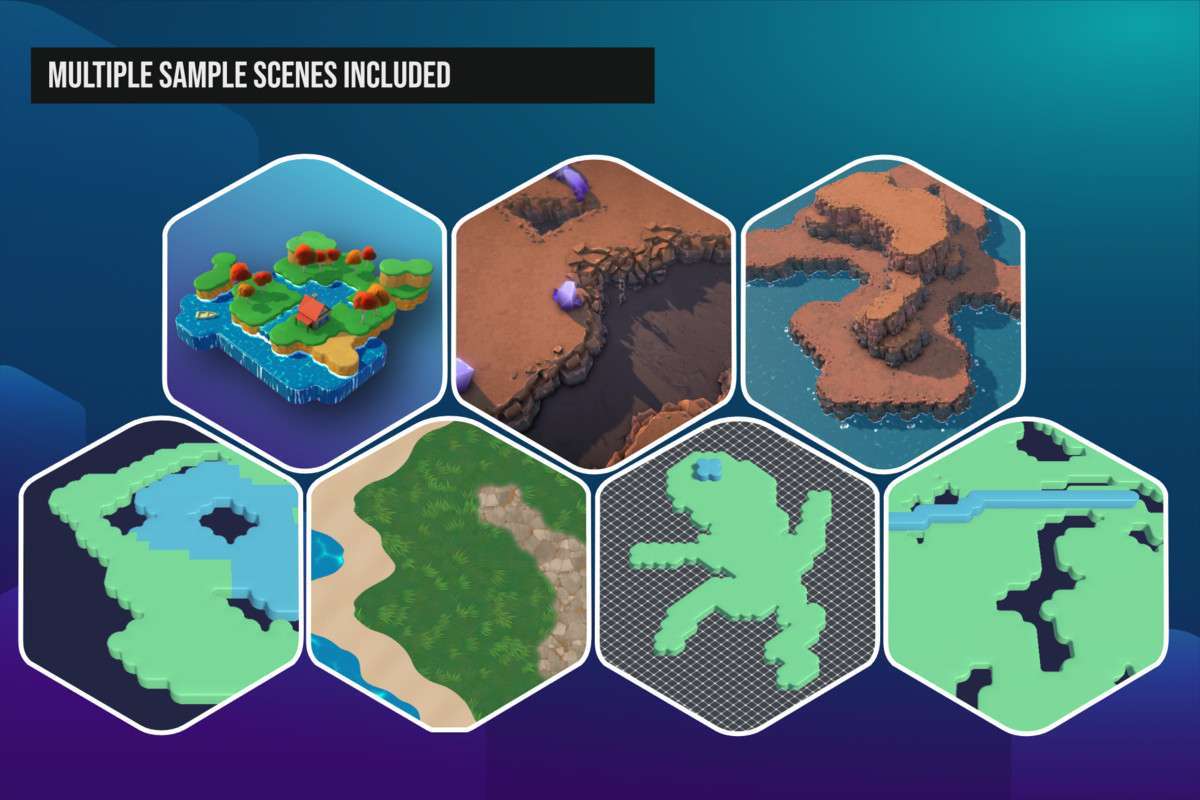
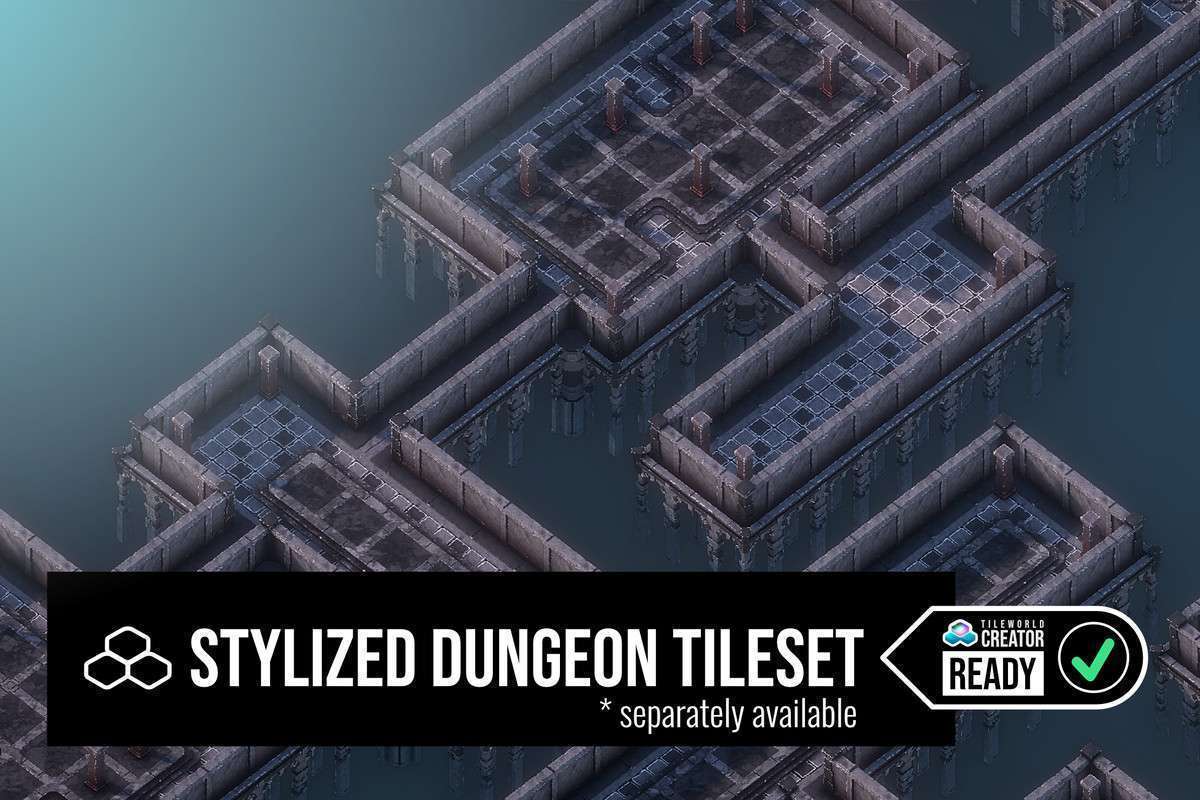
- Action Roguelikes: The BSP Dungeon generator is perfect for creating varied, repeatable layouts with intelligent neighbor-aware tile placement that handles walls and corridors automatically.
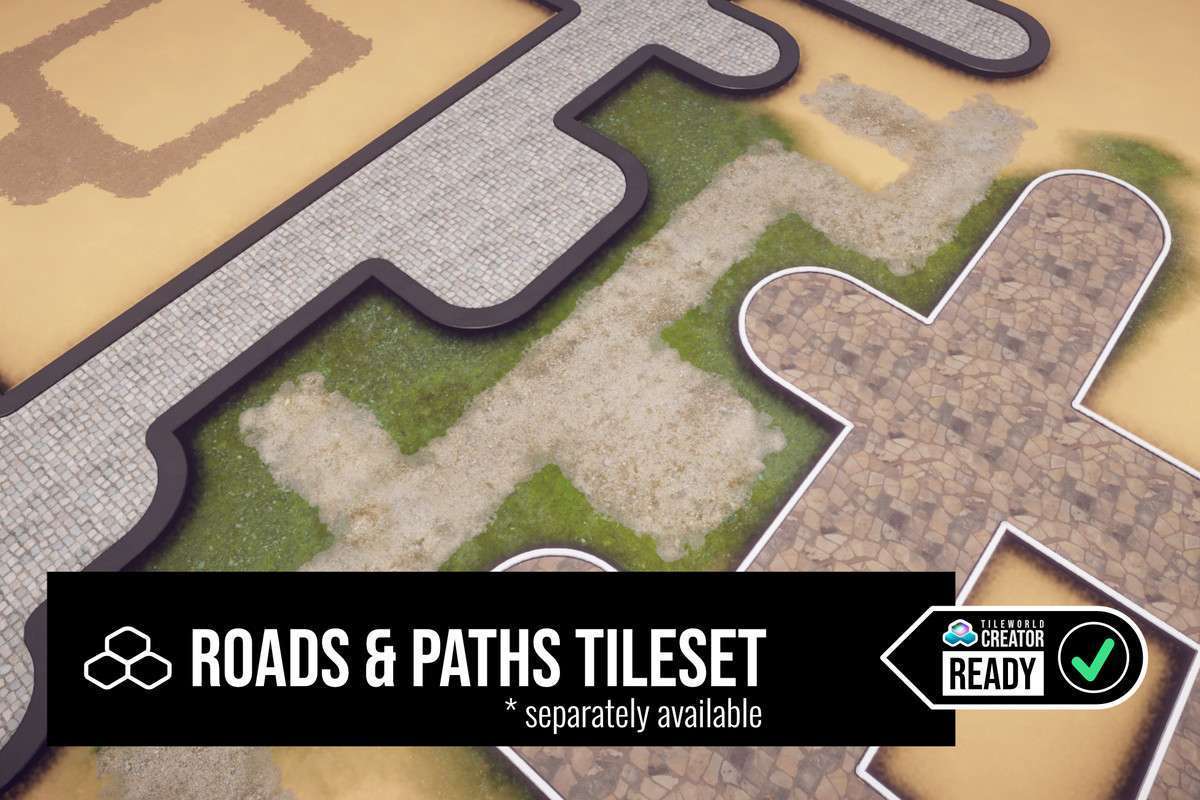
- City Builders or RTS: Use the Dual Grid support to create smooth terrain transitions and road networks that snap perfectly to a grid without visible seams or repetitive tiling artifacts.