
Unifying Environment Shaders Across Pipelines
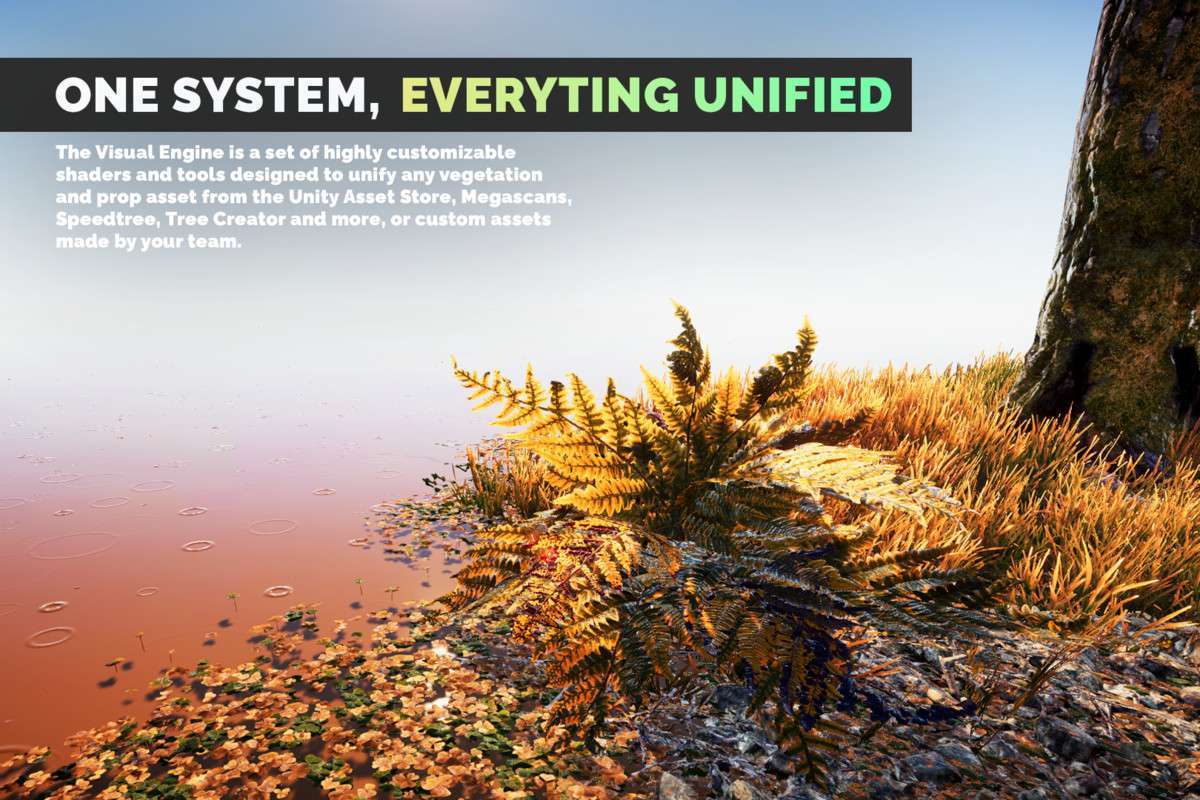
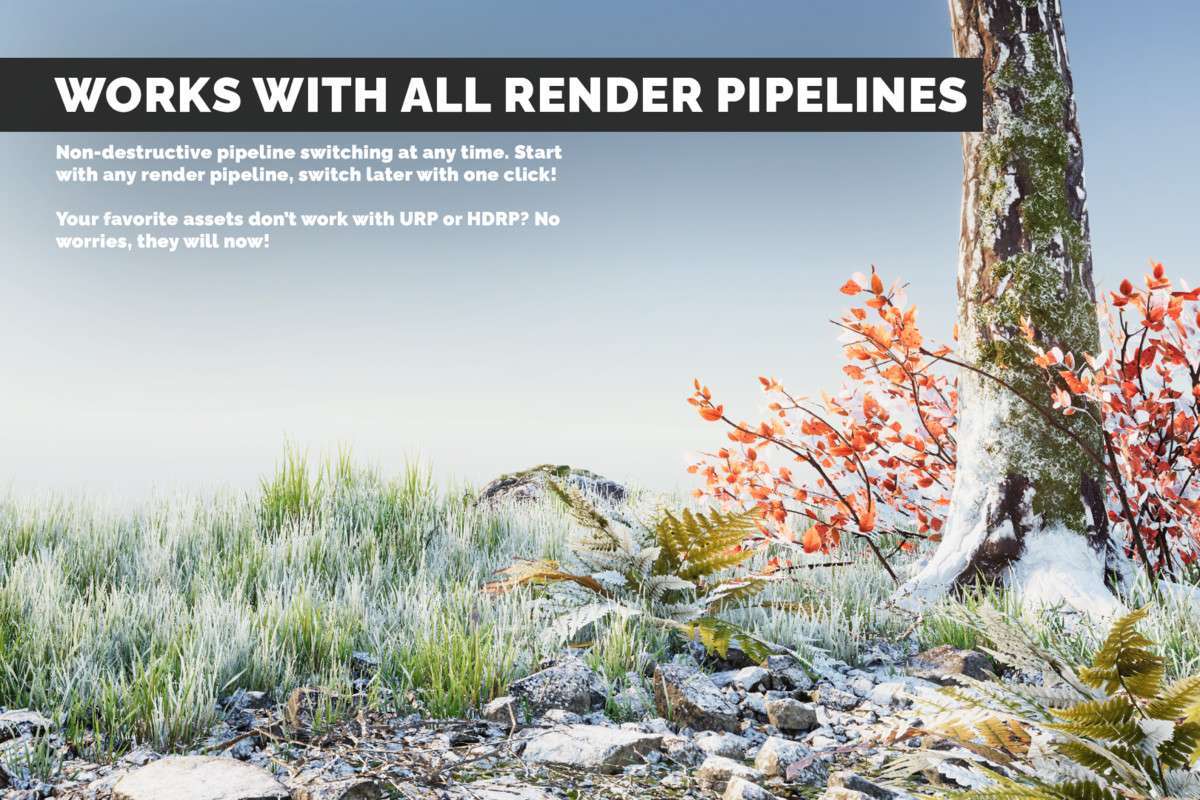
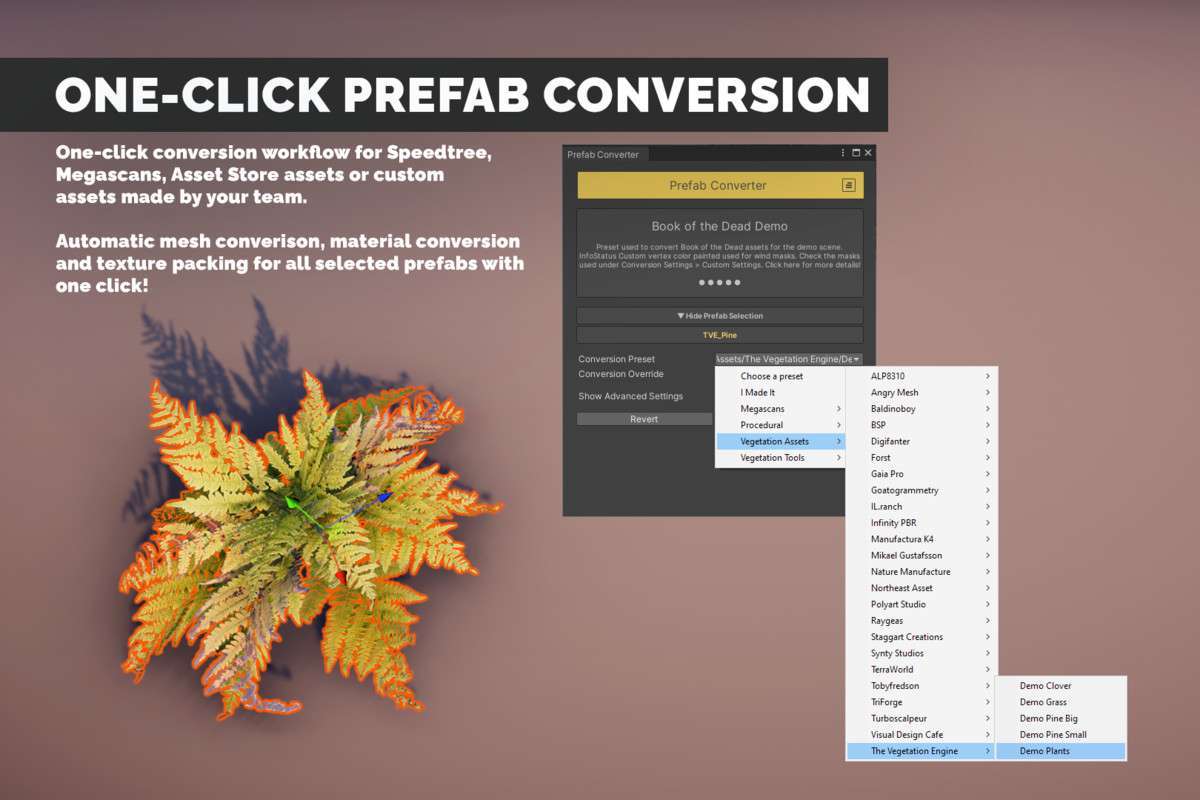
Managing disparate environment assets from Megascans, SpeedTree, and custom meshes often leads to a fractured visual aesthetic and ballooning draw calls. The Visual Engine Unity 21.1.2 solves this by providing a non-destructive conversion workflow that unifies your materials under a single, highly-optimized shader framework. It is built to leverage SRP Batcher and DOTS Instancing, ensuring that even dense forest scenes maintain high frame rates by minimizing state changes and maximizing GPU instancing efficiency across URP and HDRP.
Integration Tips
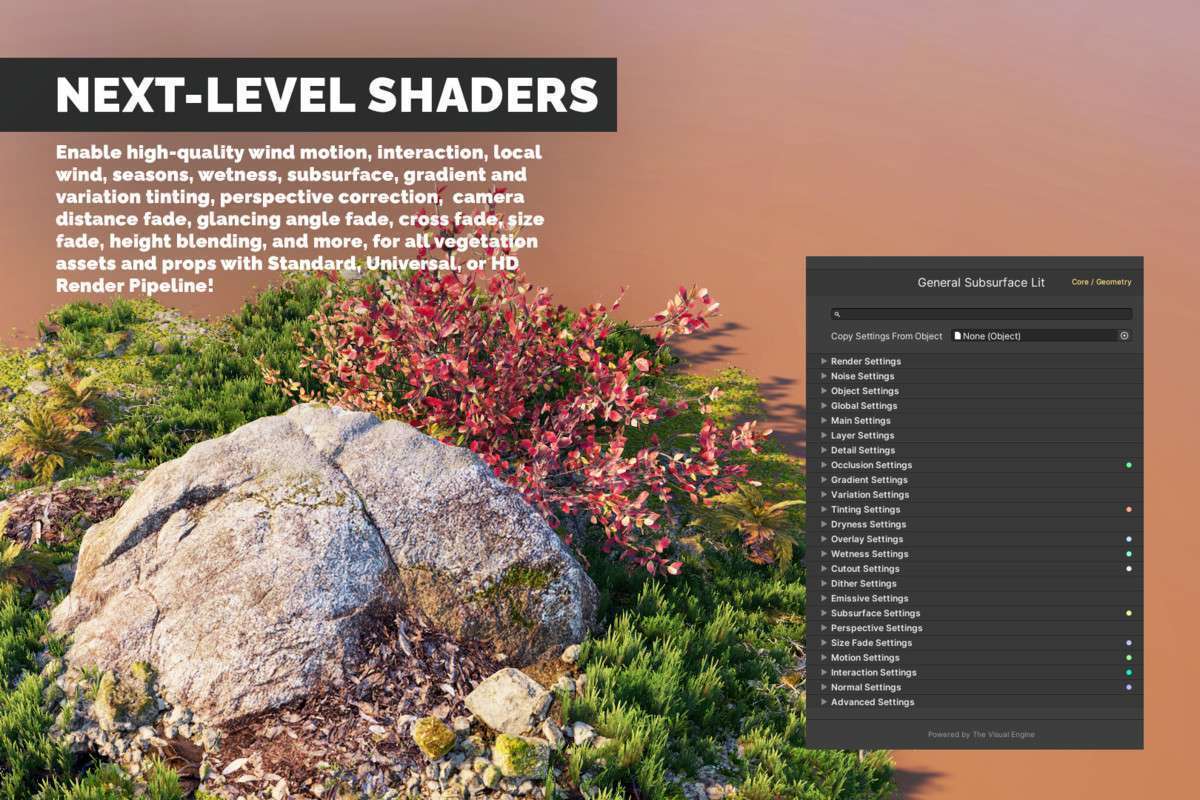
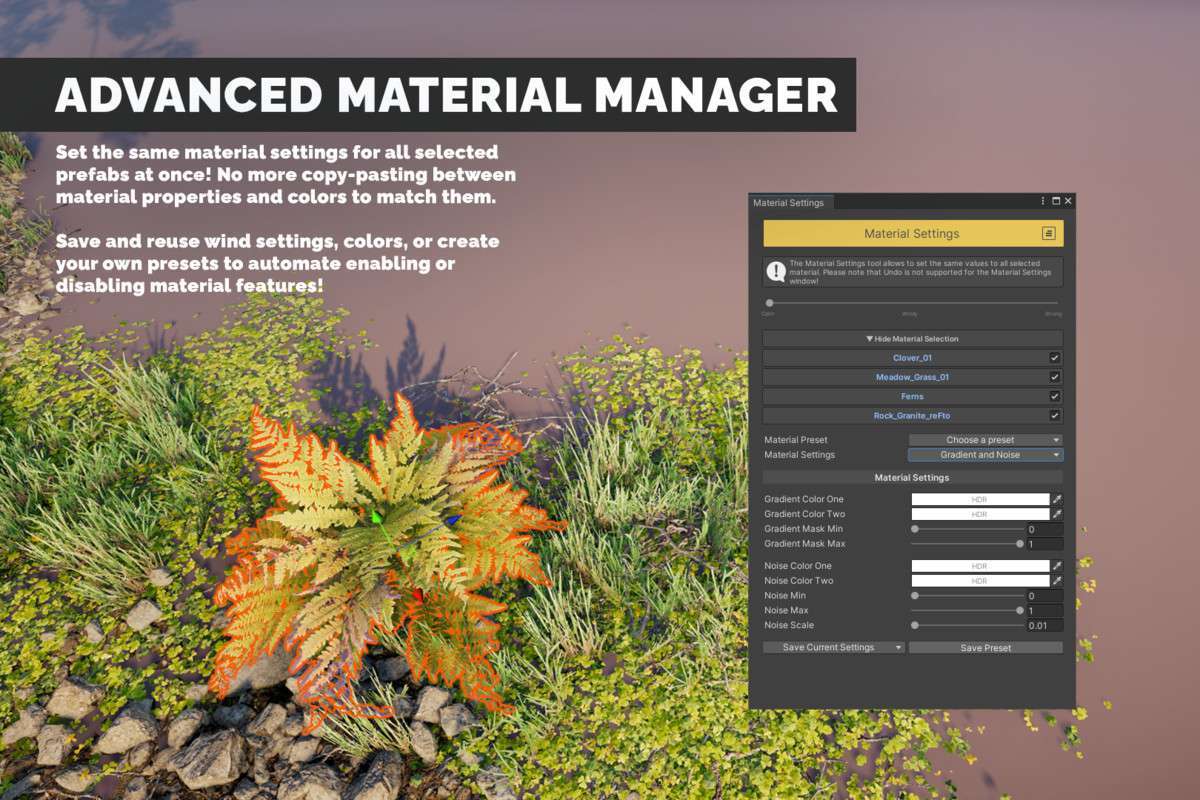
- Material Manager Batching: Before converting your entire library, create a Preset for your specific biome. Use the Advanced Material Manager to apply wind settings and subsurface scattering values to multiple prefabs simultaneously, which prevents visual drift across your scene.
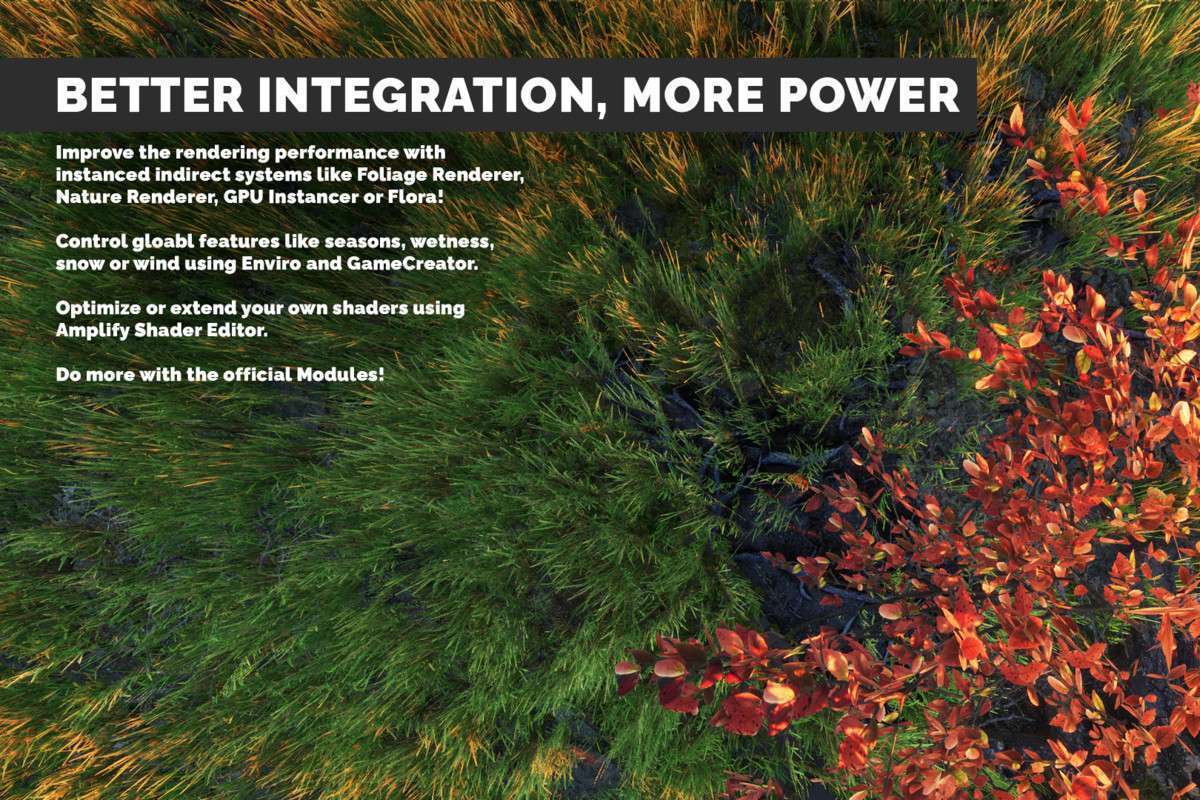
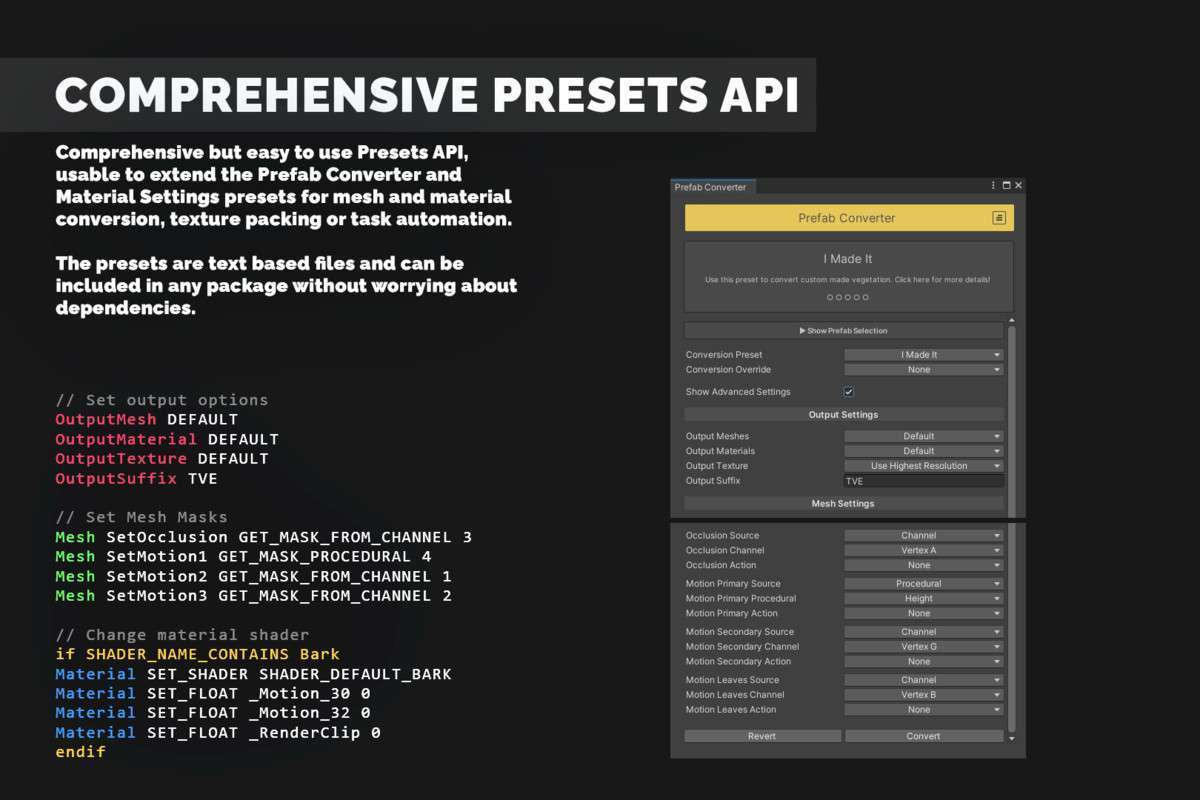
- Shader Manager & Third-Party Renderers: If you are using Nature Renderer or Flora 2.0, use the ‘Advanced Shader Manager’ inside TVE to inject the necessary procedural instancing macros. This ensures that your wind animations and global overlays (like snow or wetness) remain synchronized with the instanced geometry.
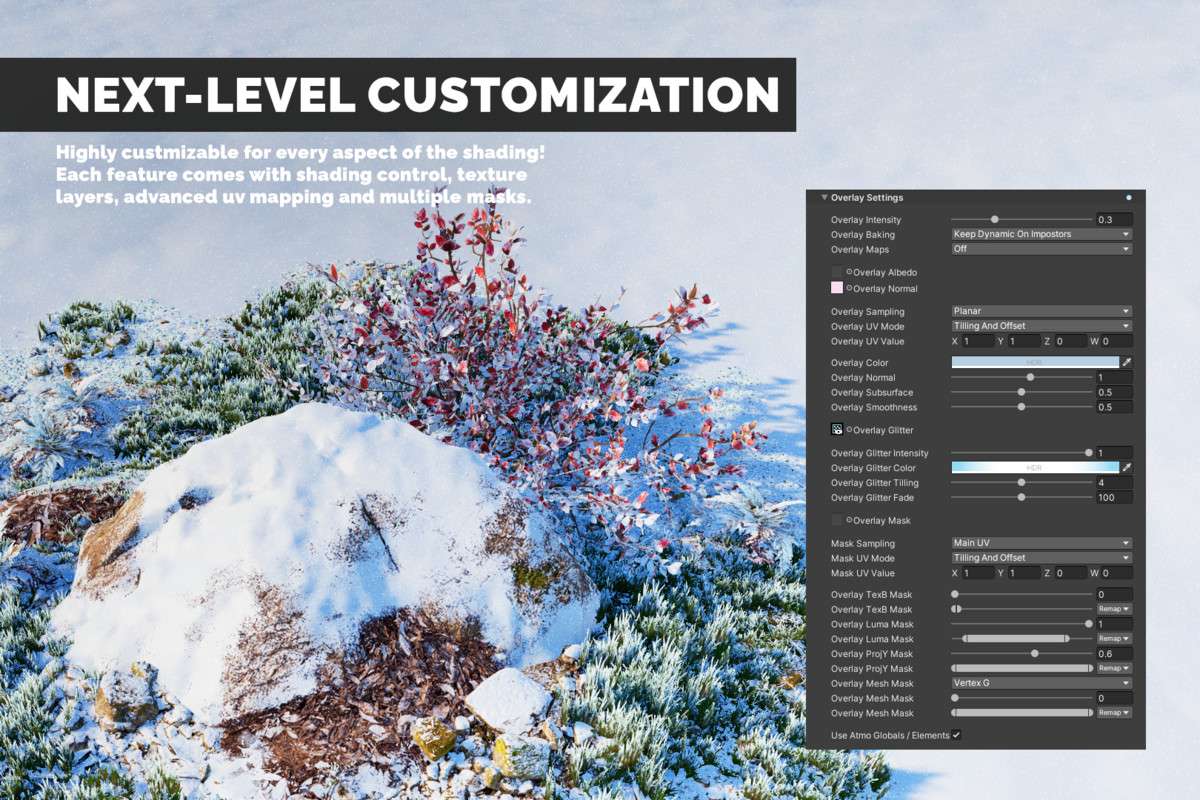
- Vertex Paint Workflows: For bark and rock shaders, the height-based blending supports vertex paint. If your meshes don’t have vertex colors, use an external tool or Unity’s Polybrush to paint the transition areas for moss and snow overlays.
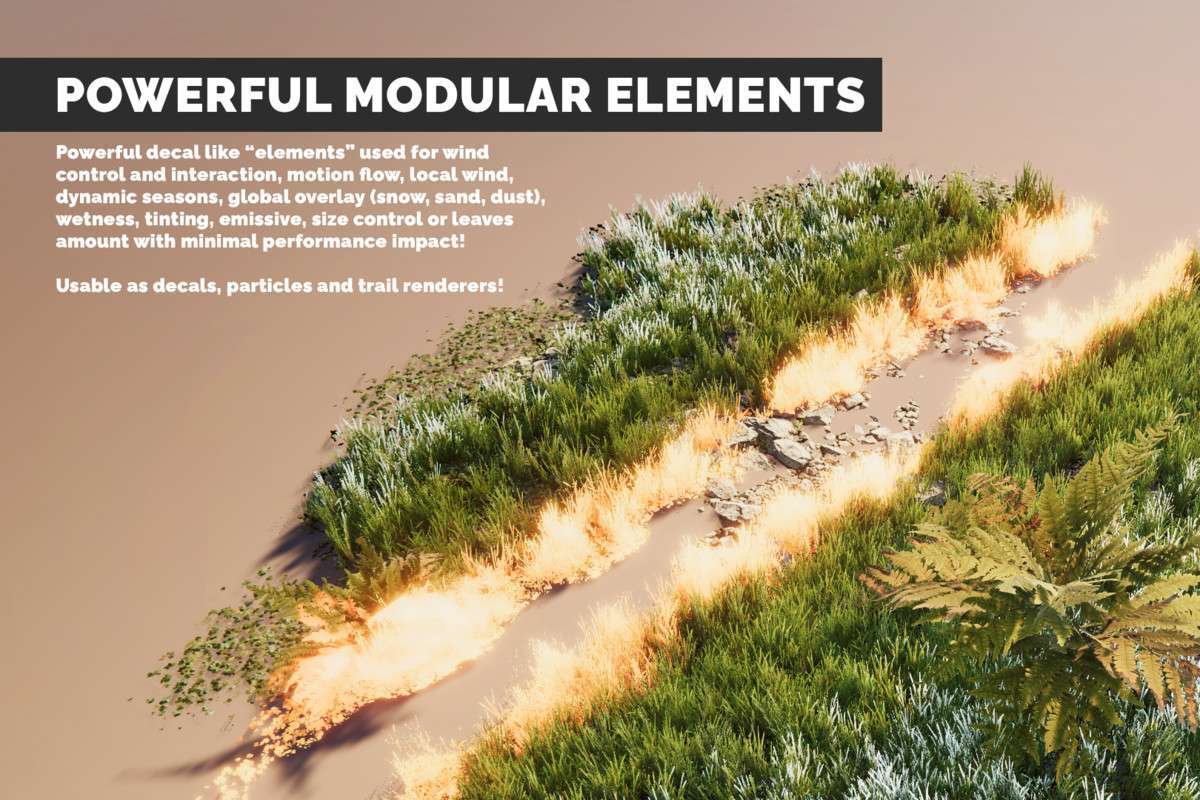
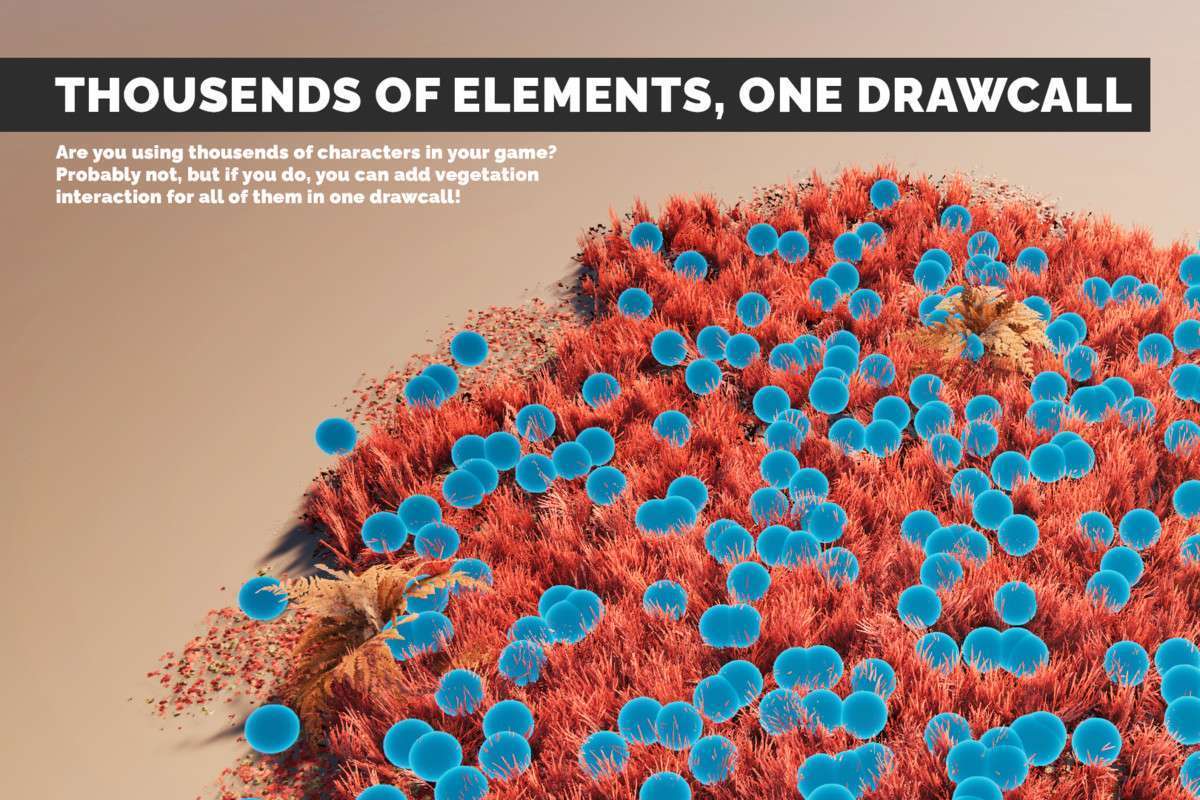
- Element Layering: Use the Element Shaders for localized interaction. To optimize performance, keep your ‘Interaction’ layer separate from your ‘Global Wind’ layer to ensure the GPU only processes vertex displacement where characters are actually moving.
Best Use Cases
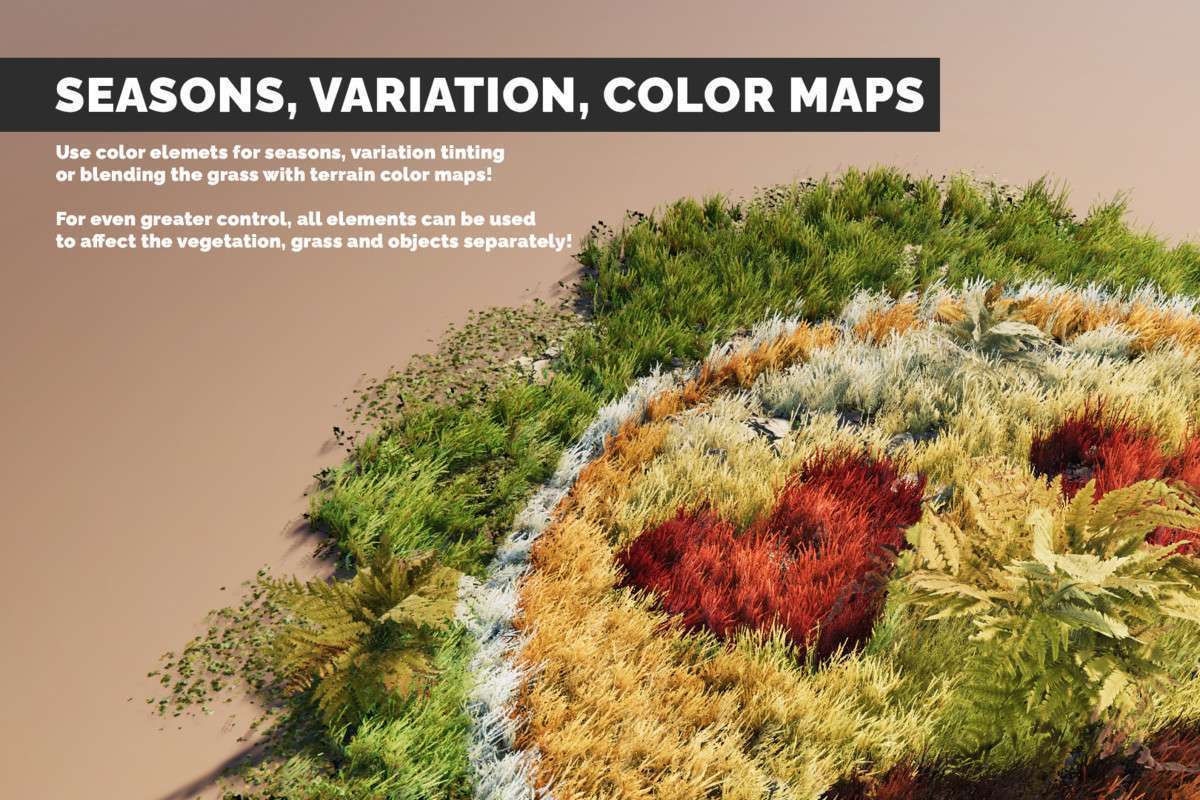
- Dynamic Open-World RPGs: The global overlay system (seasons, wetness, snow) allows for seamless environmental transitions without swapping materials at runtime. This is critical for performance in large-scale worlds where re-baking lightmaps or changing material instances would cause significant hitches.
- High-Fidelity ArchViz: With support for Deferred Subsurface approximation and Forward high-quality transmission, the asset is perfect for architectural visualizations that require realistic foliage translucency and camera-proximity fading to maintain clean views in tight spaces.