


Procedural Vegetation and Dynamic Growth Systems
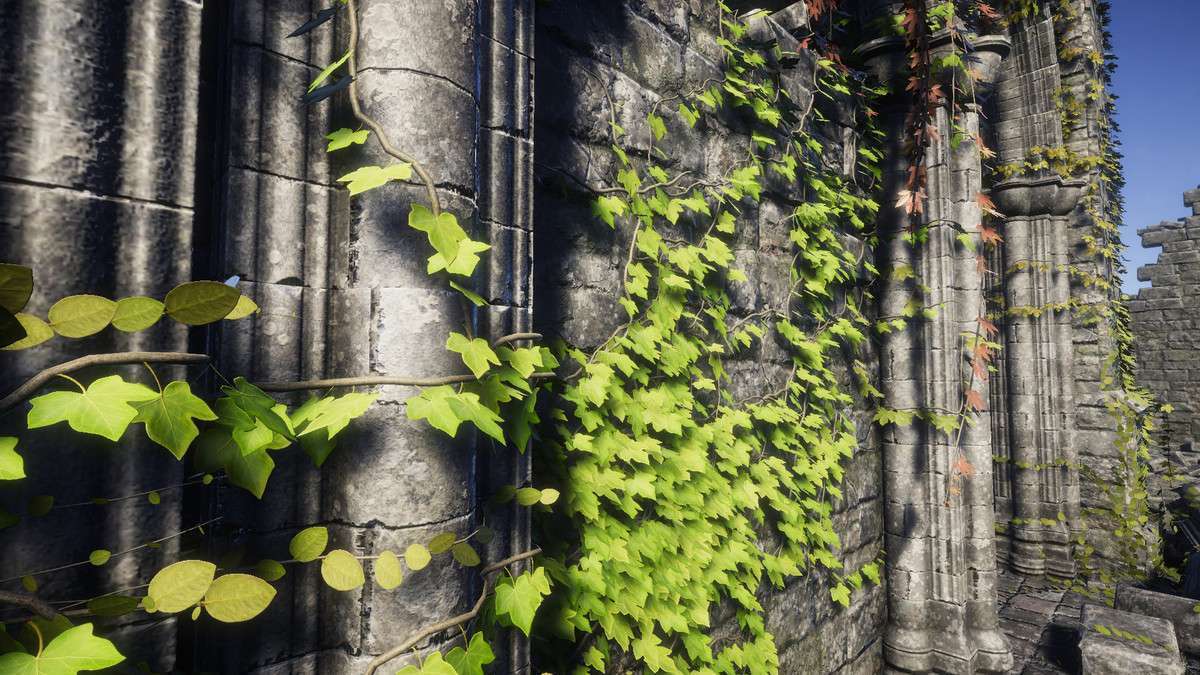
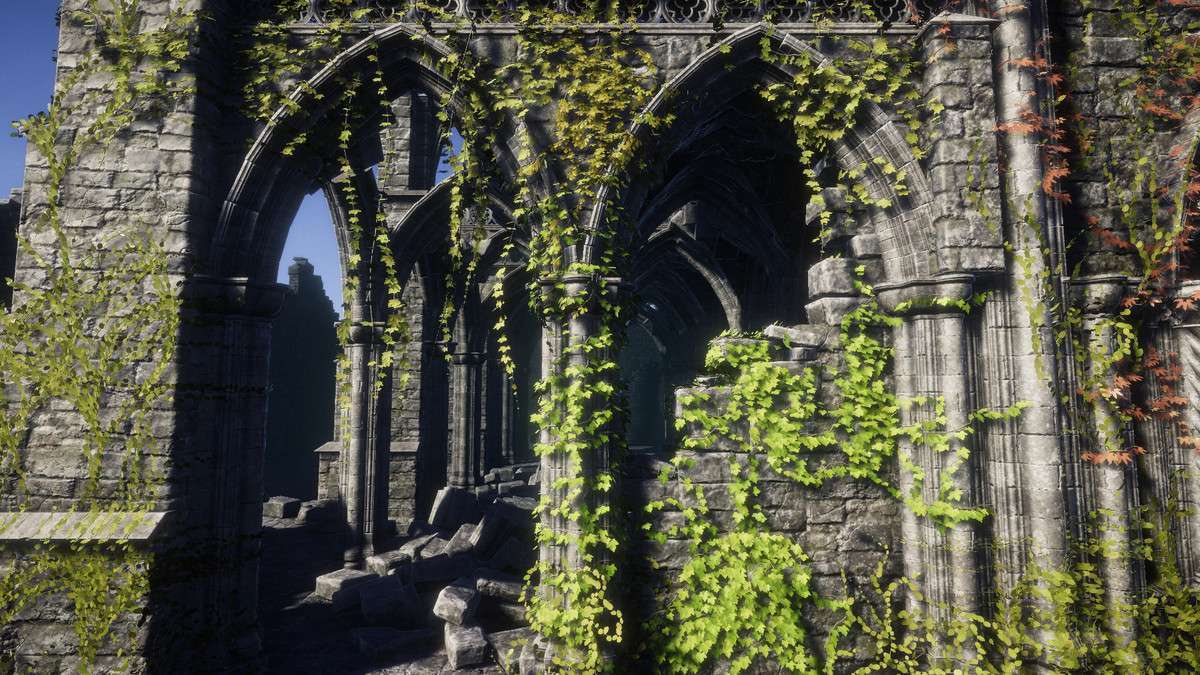
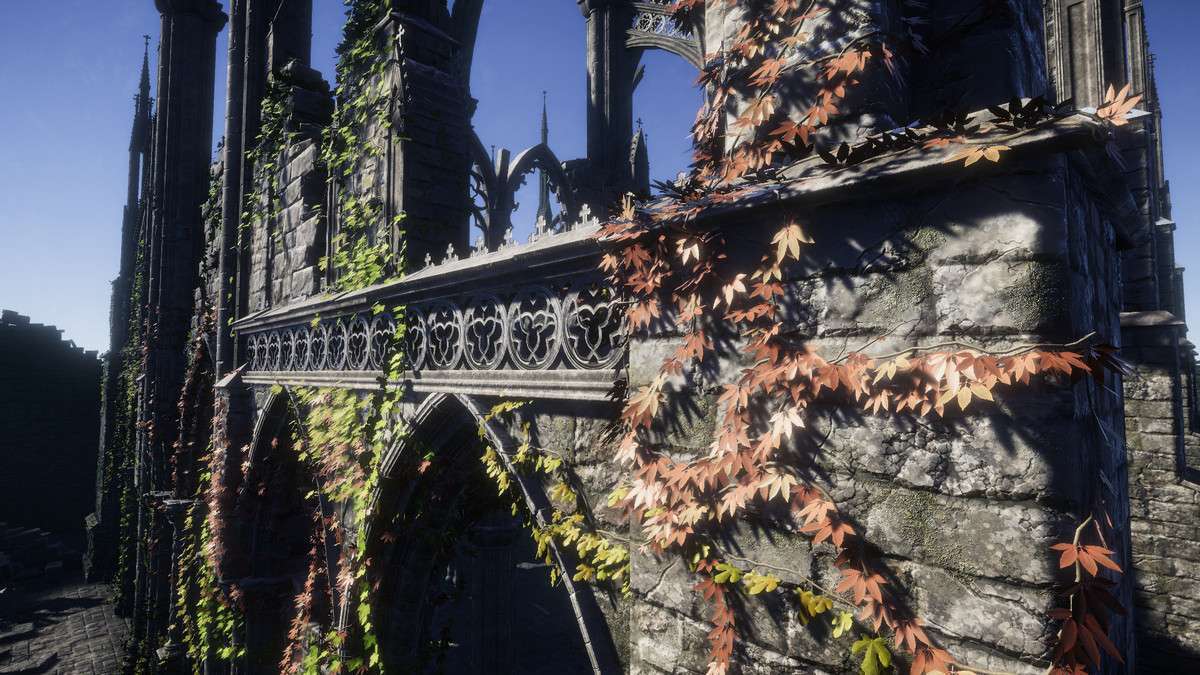
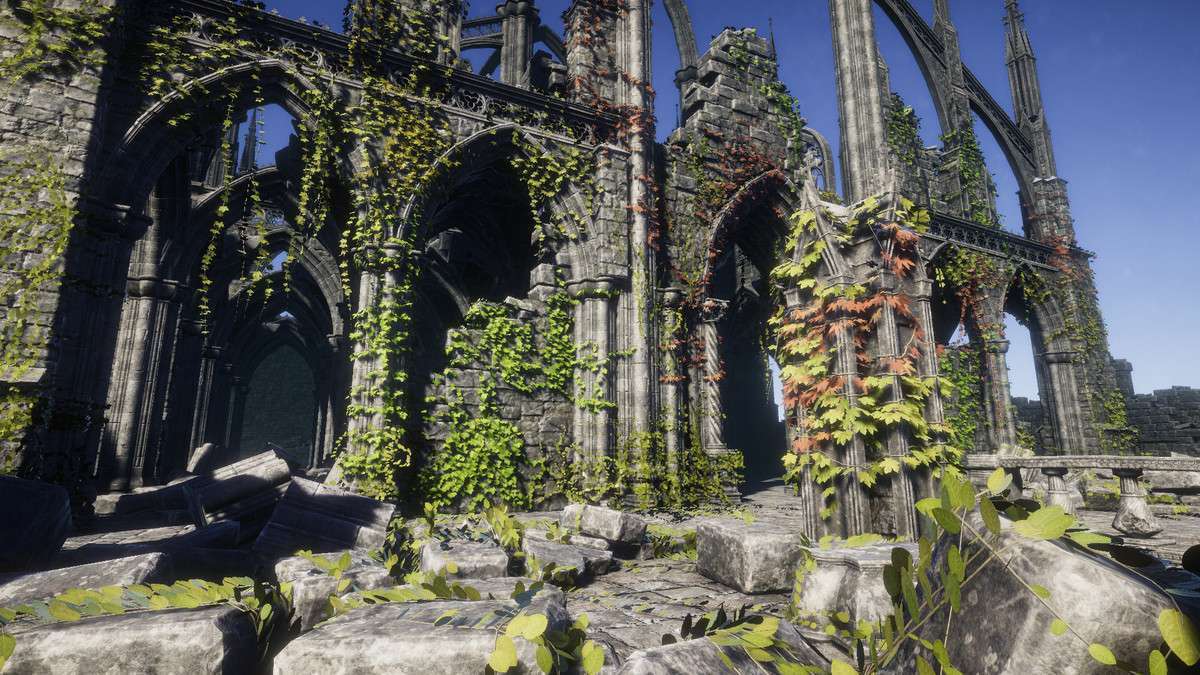
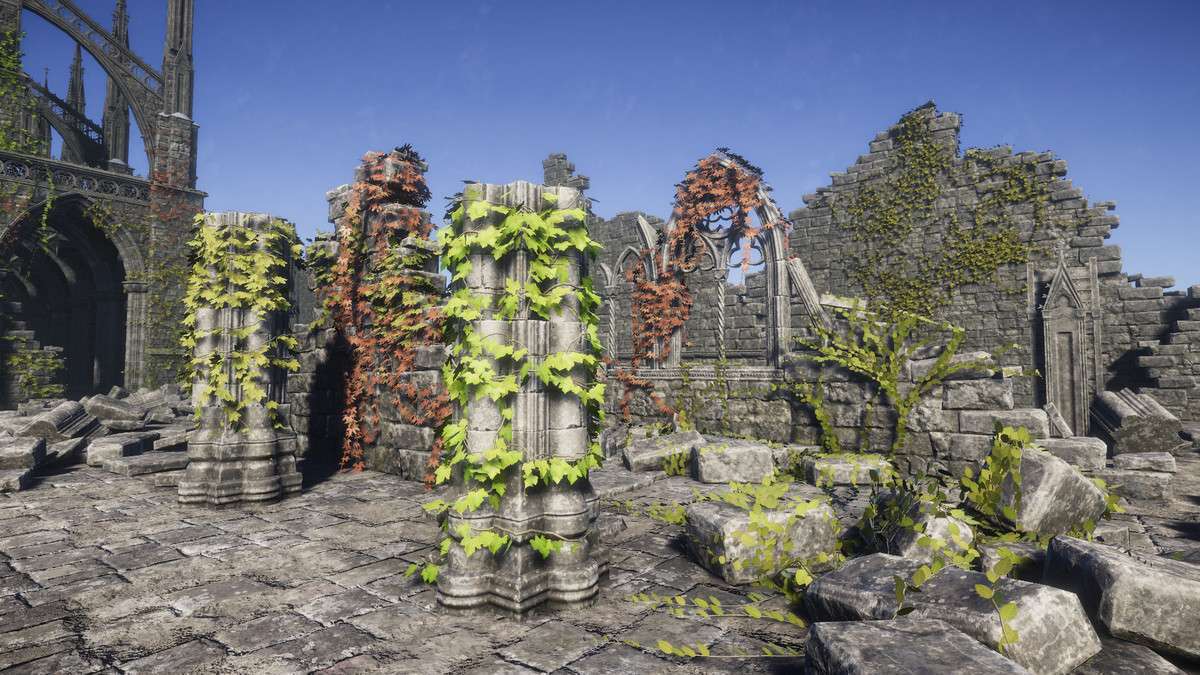
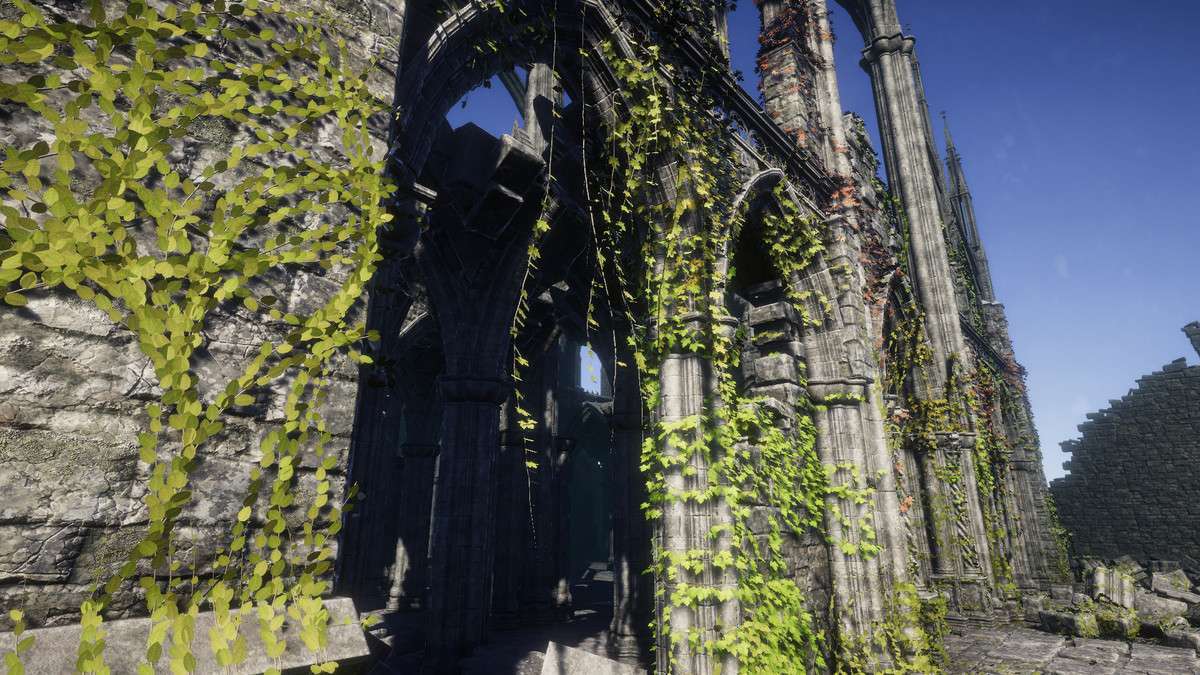
Procedural vegetation can quickly become a performance bottleneck if not handled correctly, but [ASSET_NAME] Unity 2.0.6 offers a highly optimized approach to climbing plants. The tool generates meshes based on scene colliders, allowing for organic growth that perfectly conforms to your environment’s geometry. For a lead developer, the standout feature is the 32-bit mesh buffer support, which removes the vertex limit constraints often found in complex procedural generation. Using the atlassed leaves support is critical here to keep draw calls low, especially when your ivy covers large sections of the level.
Integration Tips
When implementing the growth system at runtime, be mindful of the Physics.Overlap calls used for collider detection. I recommend placing your static environment on a specific ‘Environment’ layer and configuring the Ivy Generator to only interact with that layer to avoid unnecessary calculations against dynamic props or characters. If you are targeting URP or HDRP, ensure you use the included custom shaders to handle leaf animation (wind sway) efficiently, as standard PBR shaders won’t provide the vertex-displacement required for realistic movement.
Best Use Cases
- Environmental Storytelling in Post-Apocalyptic Games: Use the design-time painting tools to quickly wrap ruins in overgrowth. The procedural nature ensures that the vines don’t clip through walls or float in the air, maintaining immersion without manual vertex editing.
- Dynamic Puzzle Mechanics: Since the asset supports runtime growth, you can tie ivy progression to gameplay triggers—such as a player ‘watering’ a plant to create a climbable vine ladder. The optimized mesh generation handles this without causing significant frame spikes during the growth animation.