
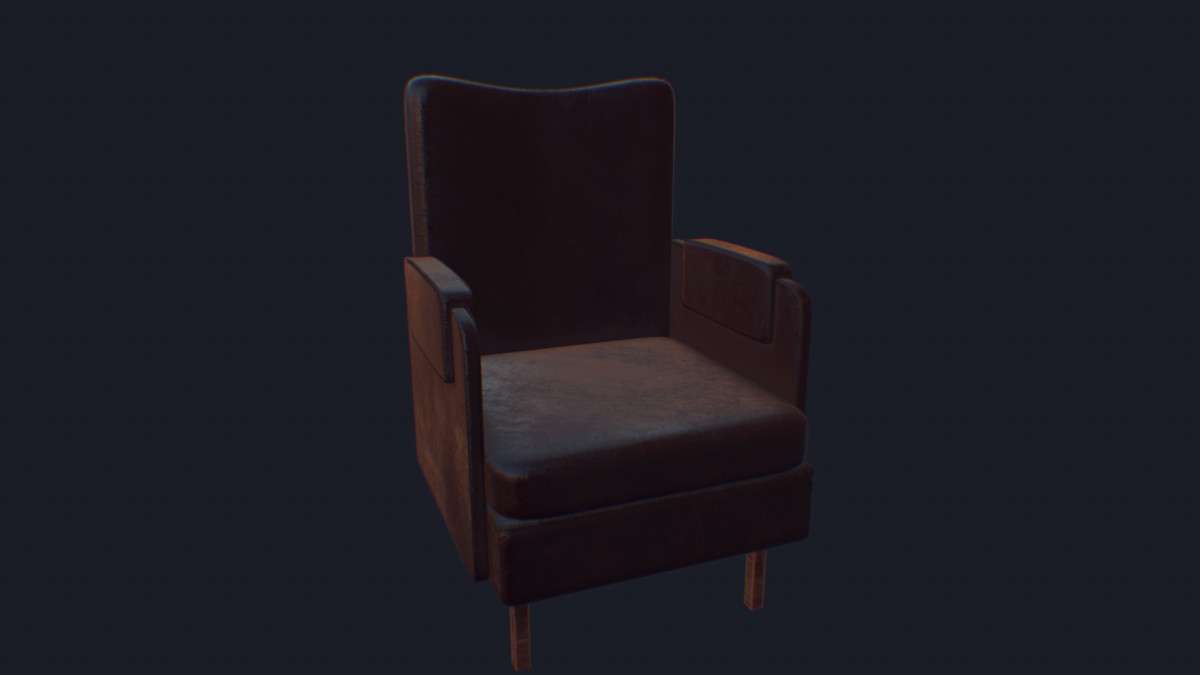
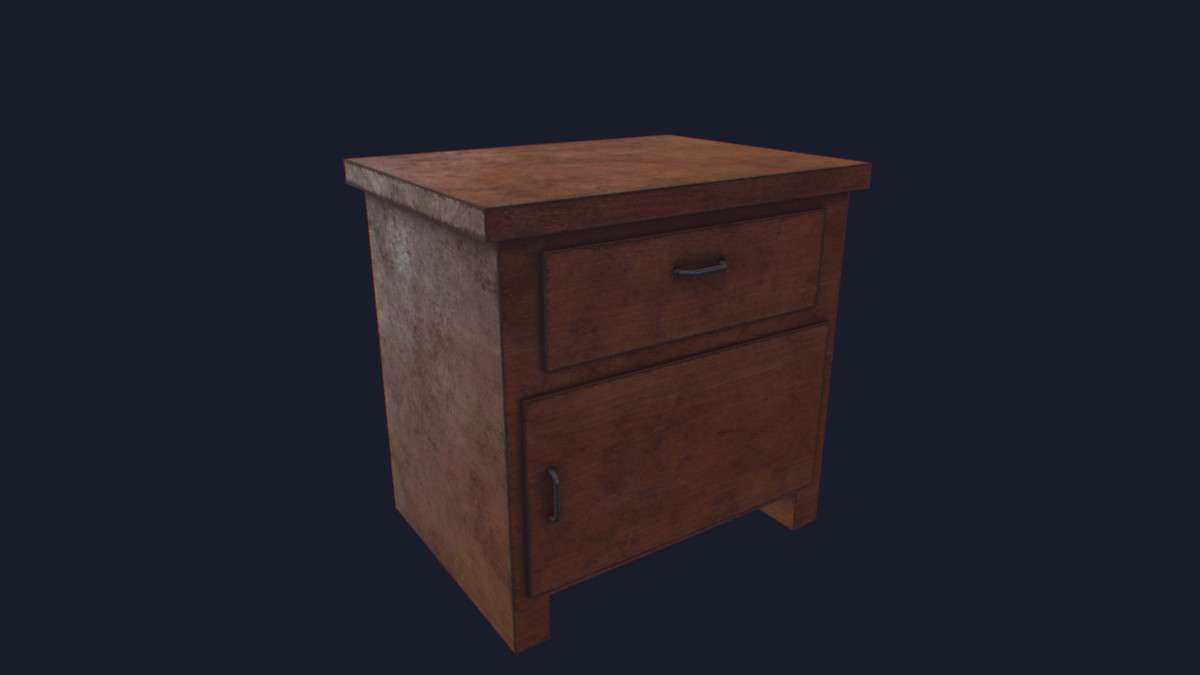
Technical Overview
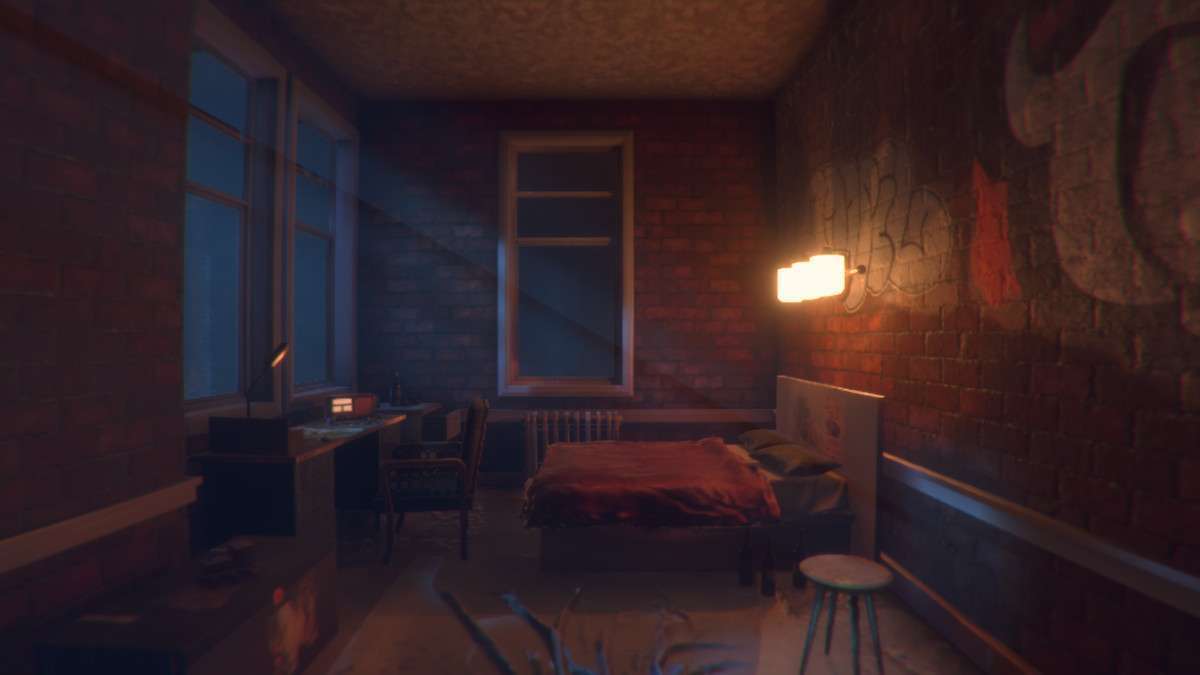
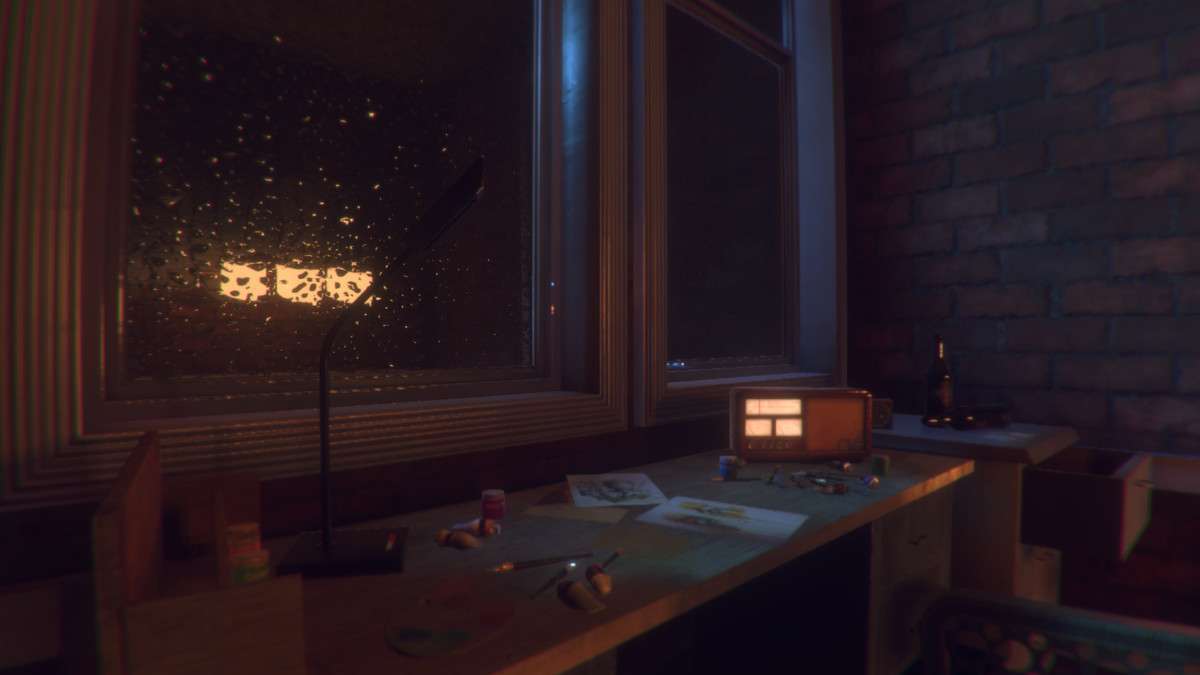
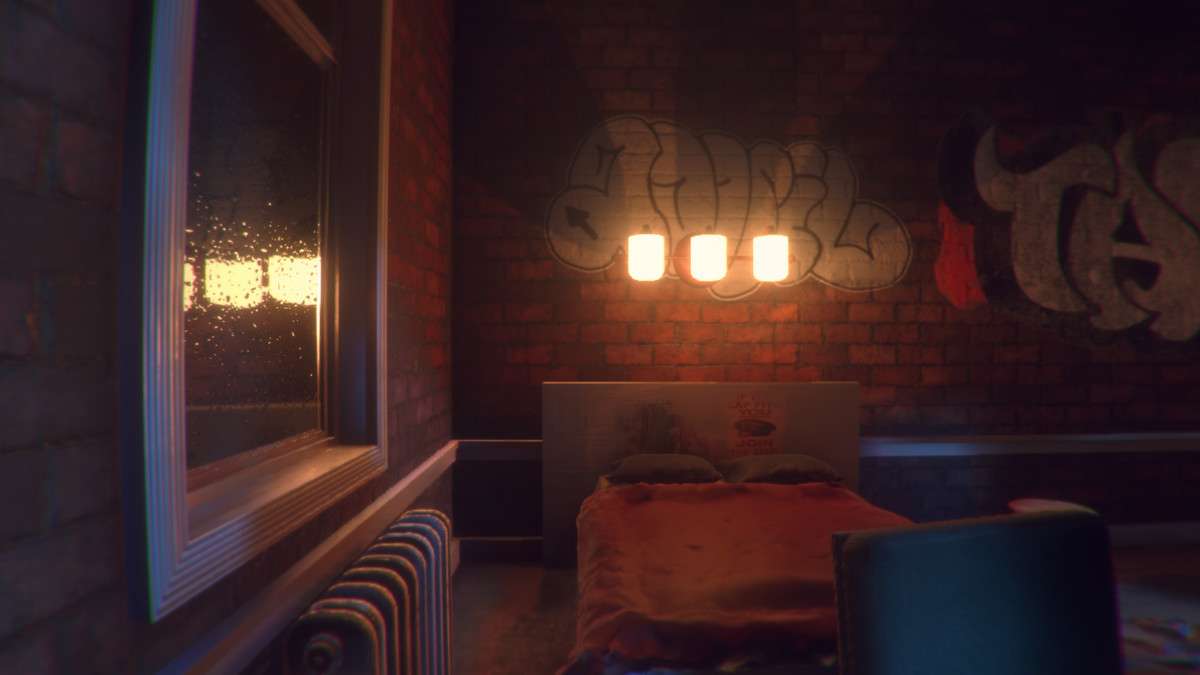
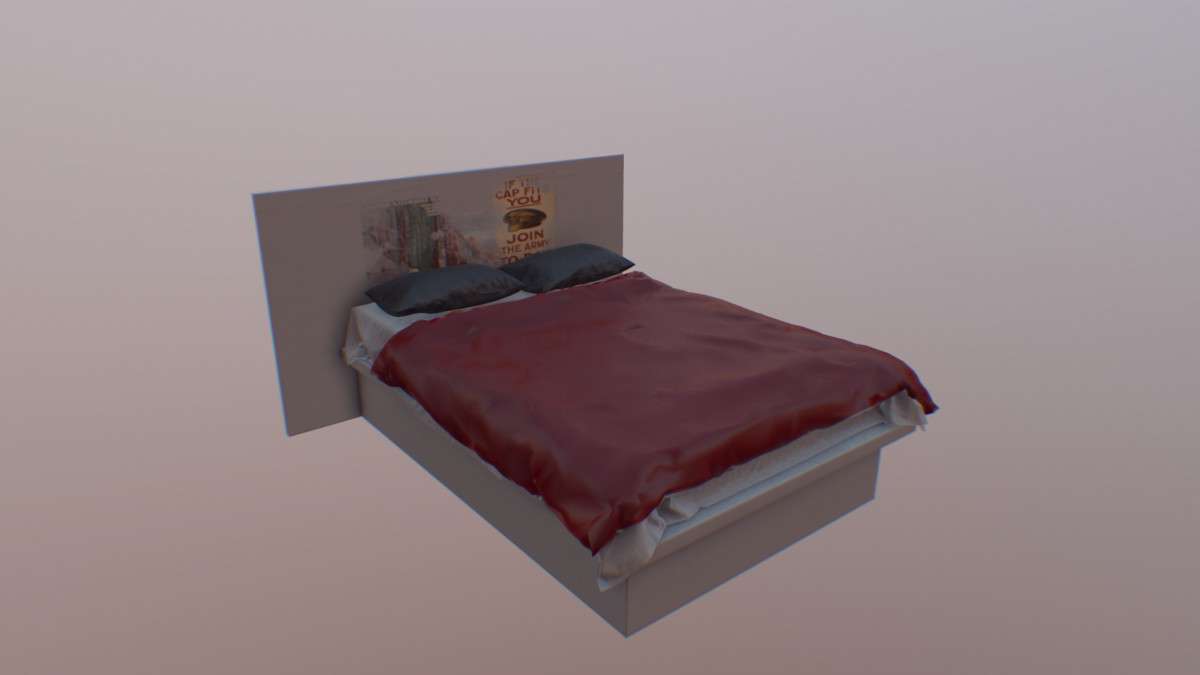
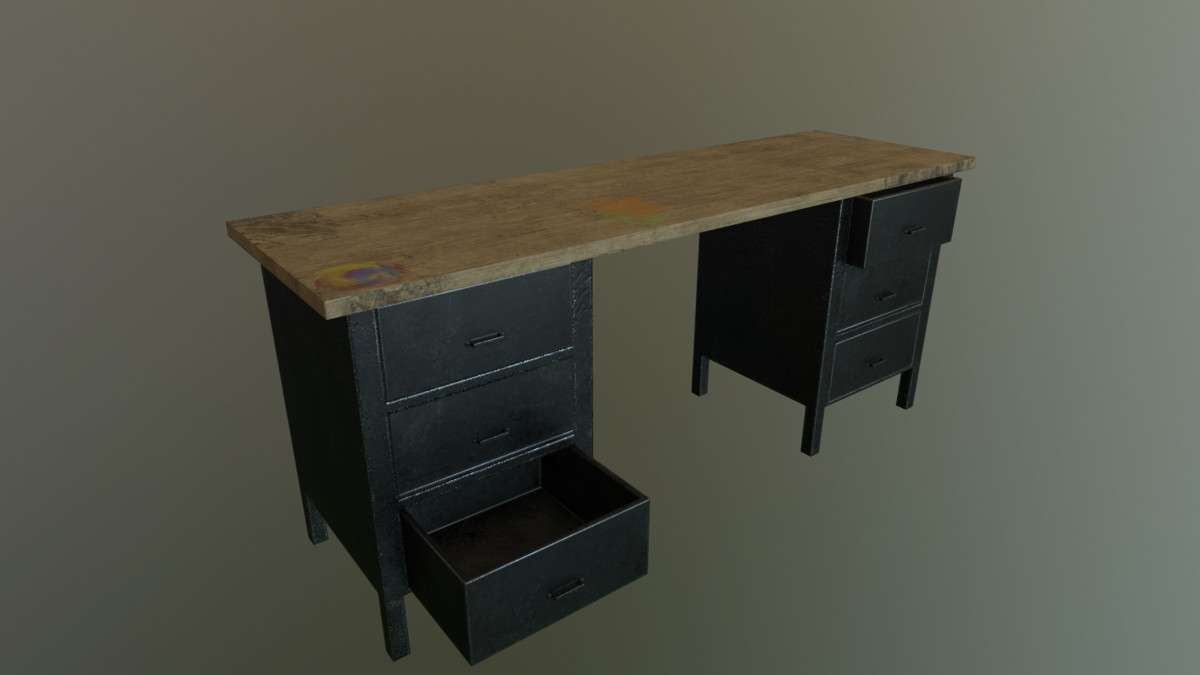
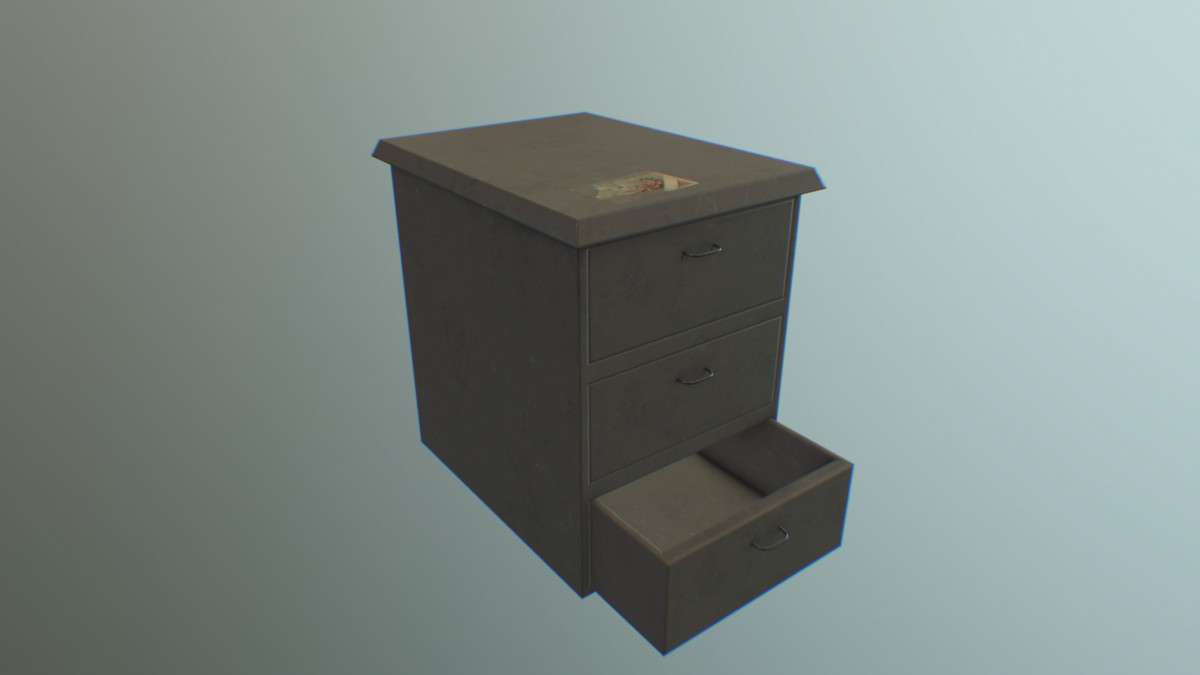
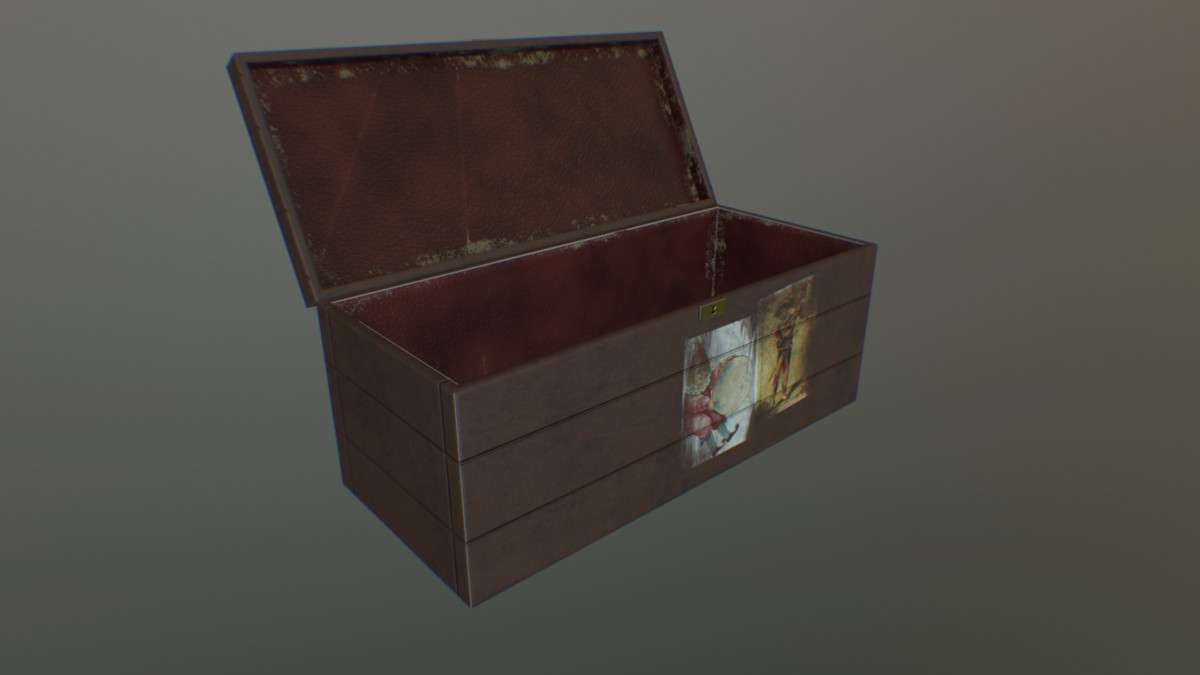
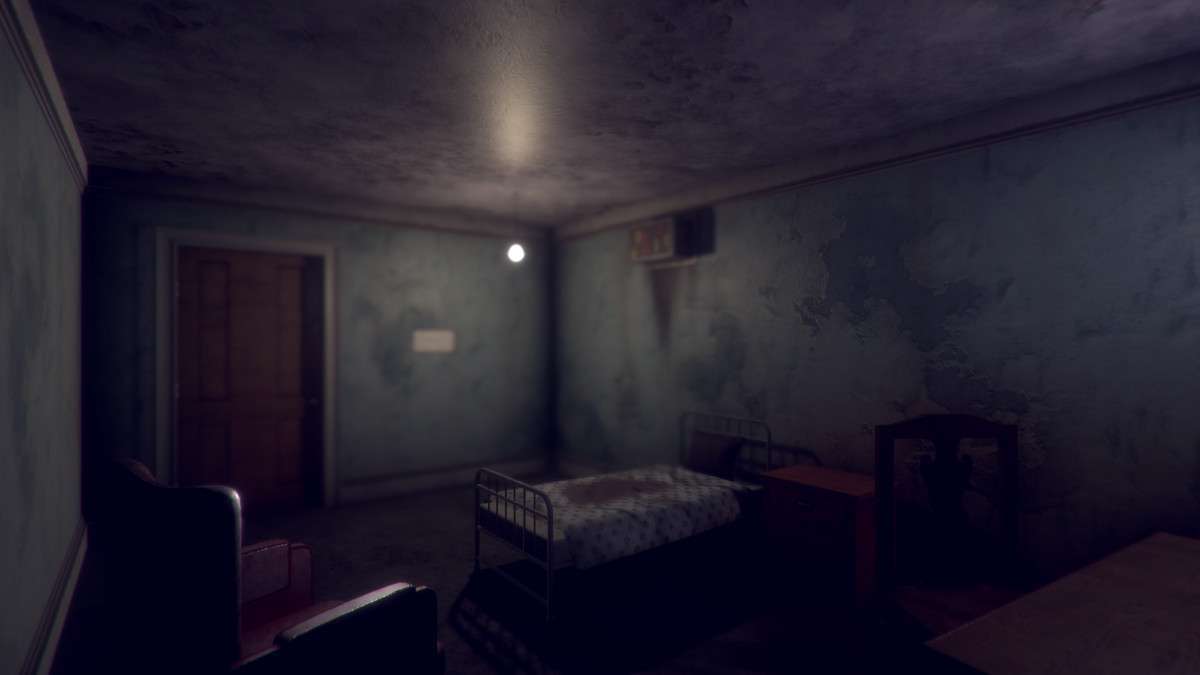
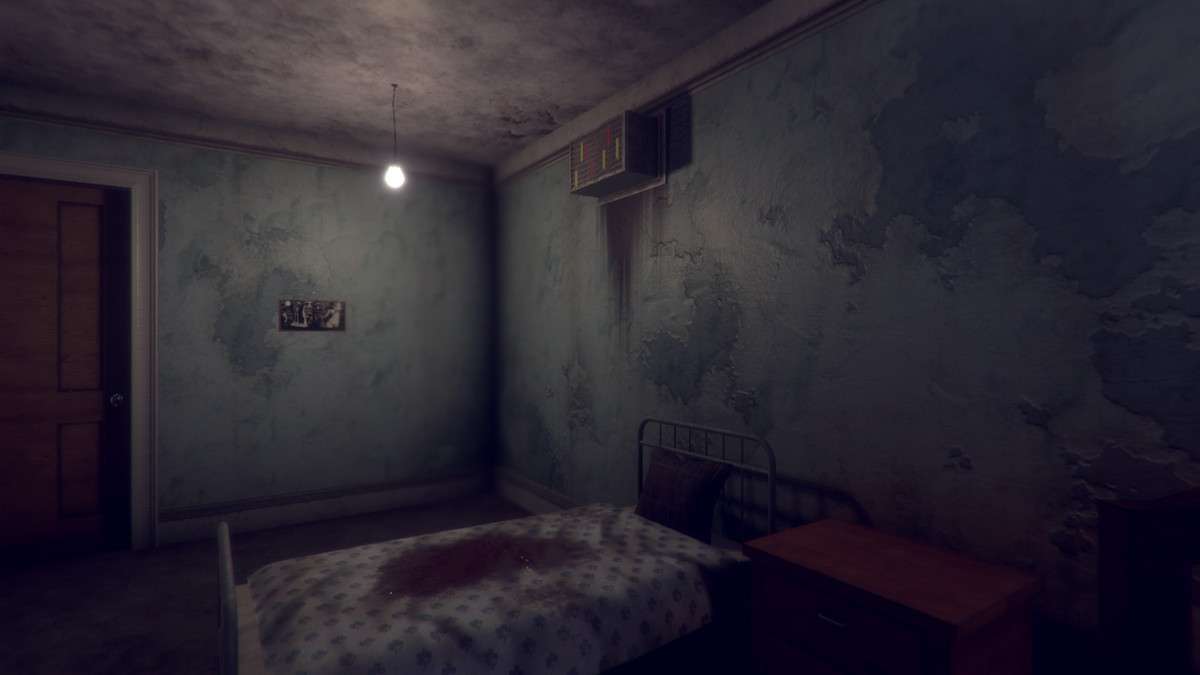
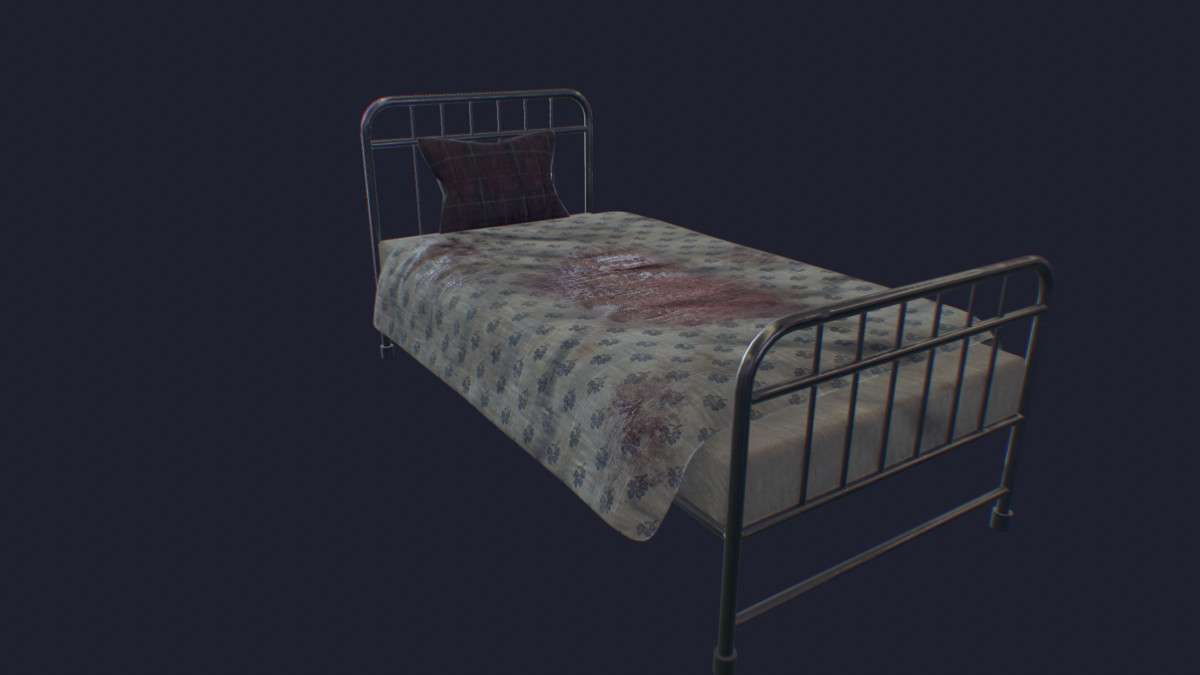
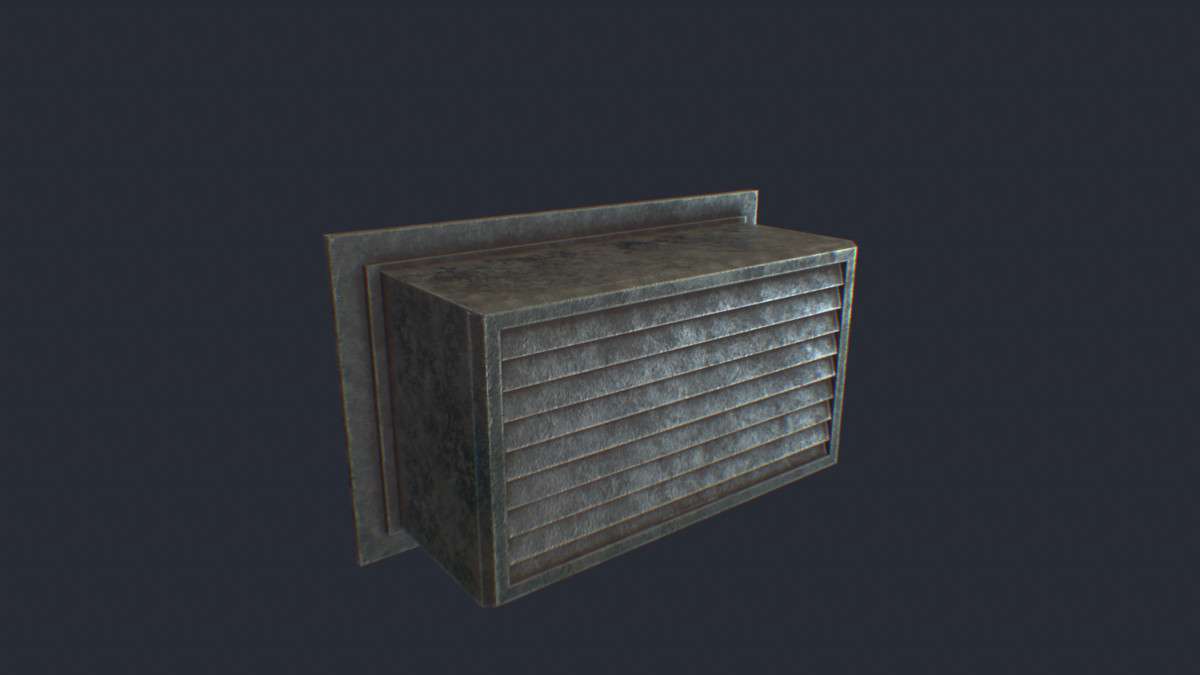
The Old Dirty Rooms Unity asset focuses on environmental storytelling through grit and optimized geometry. This package is particularly valuable for developers concerned with draw call overhead, as it utilizes texture atlasing—where multiple small props share a single texture sheet. The inclusion of interactive prefabs with pre-configured pivots for drawers and doors means you won’t need to manually re-rig meshes in a DCC tool to implement basic searching mechanics.
Integration Tips
To integrate the interactive elements into your existing gameplay framework (like a First-Person or Third-Person interaction system), you should hook into the local rotation or transform values of the child objects within the prefabs. Be mindful of the shader setup; if you are using a Scriptable Render Pipeline, you may need to manually adjust the smoothness and metallic maps since ‘dirty’ textures often rely on specific specular workflows. I suggest pairing this asset with Unity’s Occlusion Culling system, as the enclosed nature of ‘dirty rooms’ allows for aggressive culling of adjacent environment chunks, significantly boosting the frame rate in cluttered scenes.
Best Use Cases
- Survival Horror: The pre-configured interactive drawers and lockers are perfect for ‘looting’ mechanics. The heavy use of shared textures allows for high-density prop placement without the performance hit typically associated with unique materials per object.
- Narrative-Driven Adventure: The weathered aesthetic provides immediate environmental context. Because the assets are well-optimized, you can afford to use more complex post-processing stacks (like HBAO+ or high-quality Bloom) to enhance the ‘gritty’ atmosphere without hitting a performance wall.