




Protecting Logic in Distributed Assemblies
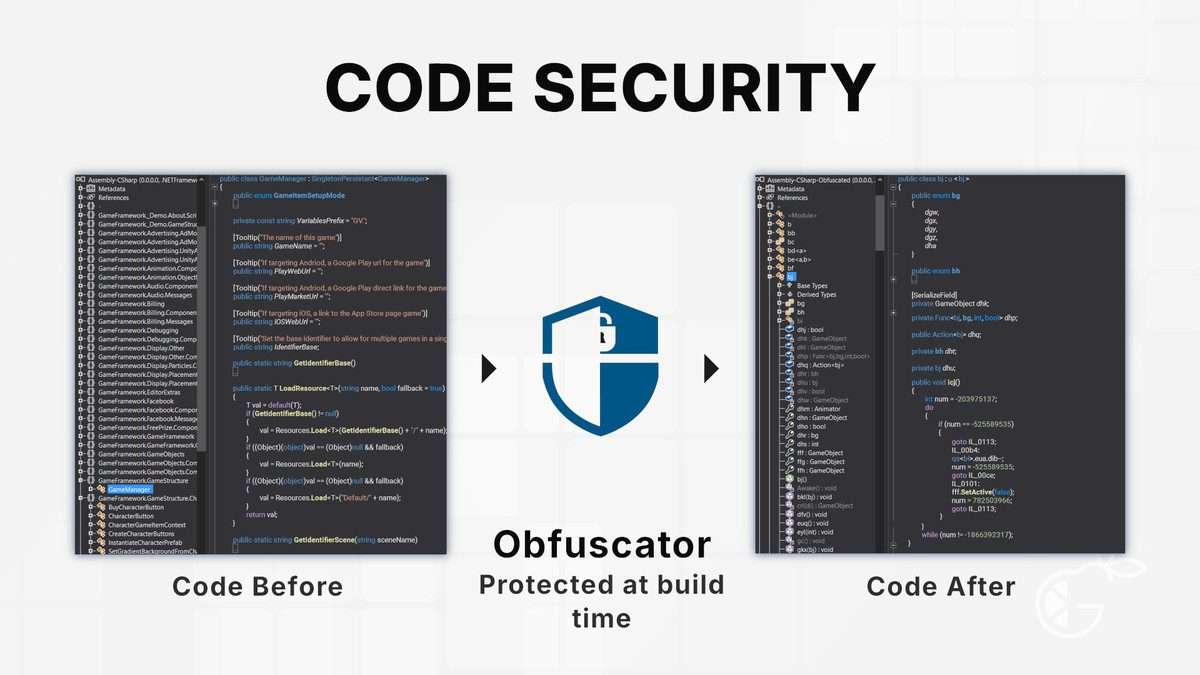
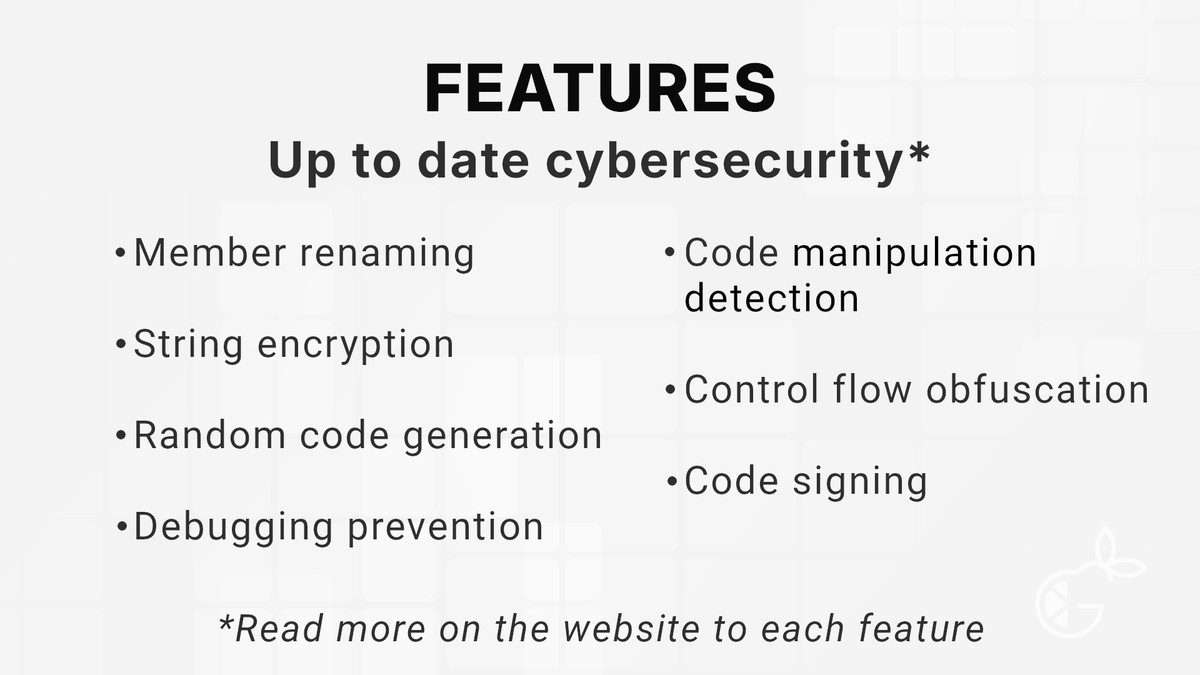
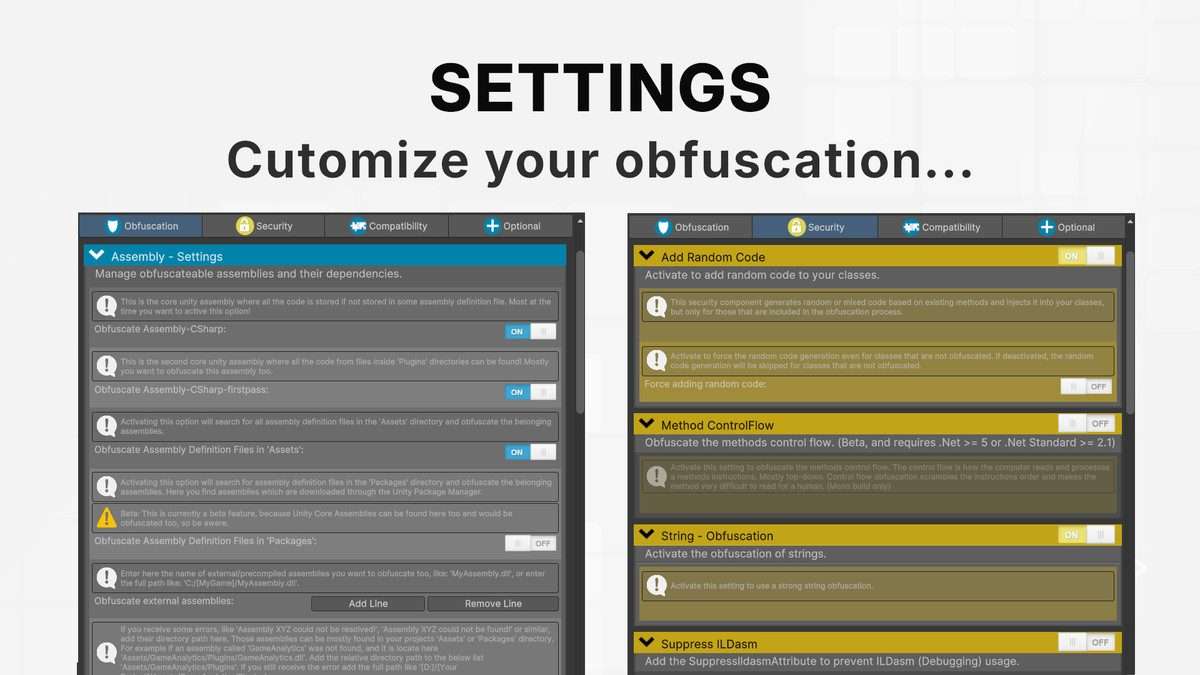
When shipping on platforms like PC or Android, your C# assemblies are essentially open books. Obfuscator Pro Unity 4.0.5 provides a hardening layer that makes reverse engineering via tools like ILSpy or dnSpy significantly more difficult. Unlike generic .NET obfuscators, this tool is aware of the Unity Build Pipeline, meaning it understands how to handle MonoBehaviours, ScriptableObjects, and the specific serialization requirements of the engine without breaking your scene references.
Integration Tips
- Reflection & Scripting: The biggest hurdle is Reflection. If your code calls
GameObject.SendMessageor usesType.GetType("StringName"), you must use the[Skip]attribute on those specific classes or methods to prevent the obfuscator from renaming them, which would cause runtime null references. - Link.xml Coordination: Ensure your
link.xmlfile is updated if you are using IL2CPP. While Obfuscator Pro handles most renaming logic, stripping can still occur if the engine thinks a renamed class is unused. - CI/CD Pipelines: If you use headless builds, Obfuscator Pro can be triggered via build script hooks. Always keep the ‘Mapping File’ generated during the build; you will need this to de-obfuscate stack traces when players submit crash reports.
Best Use Cases
- Competitive Multiplayer Games: For games with client-side authoritative logic or sensitive anti-cheat signatures, obfuscation is mandatory to prevent bad actors from identifying the exact hooks needed to inject cheats or bypass server-side validation.
- B2B Enterprise Applications: When delivering proprietary simulation software or industrial tools to third-party clients, Obfuscator Pro protects your intellectual property by masking the internal algorithms and data structures of your codebase.