

Modular Environment Architectures for Performance-Constrained Projects
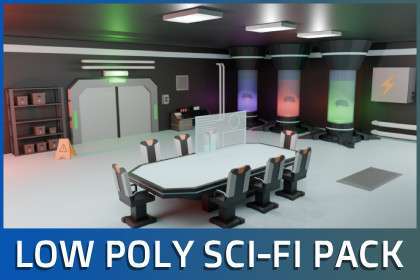
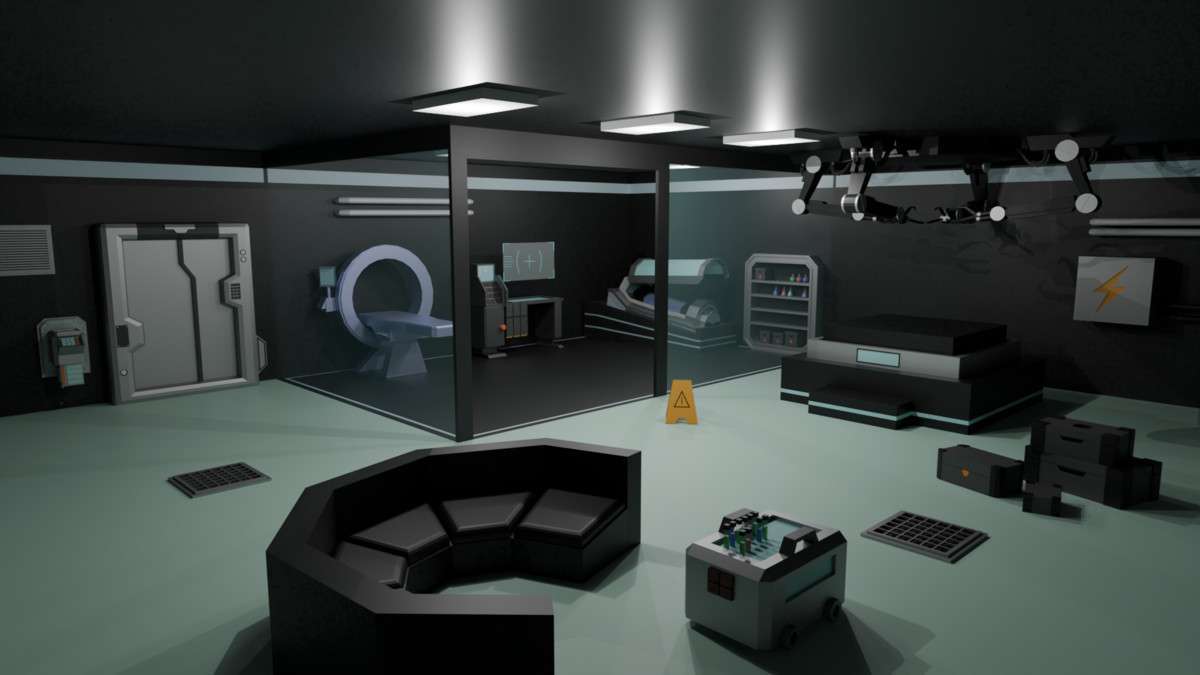
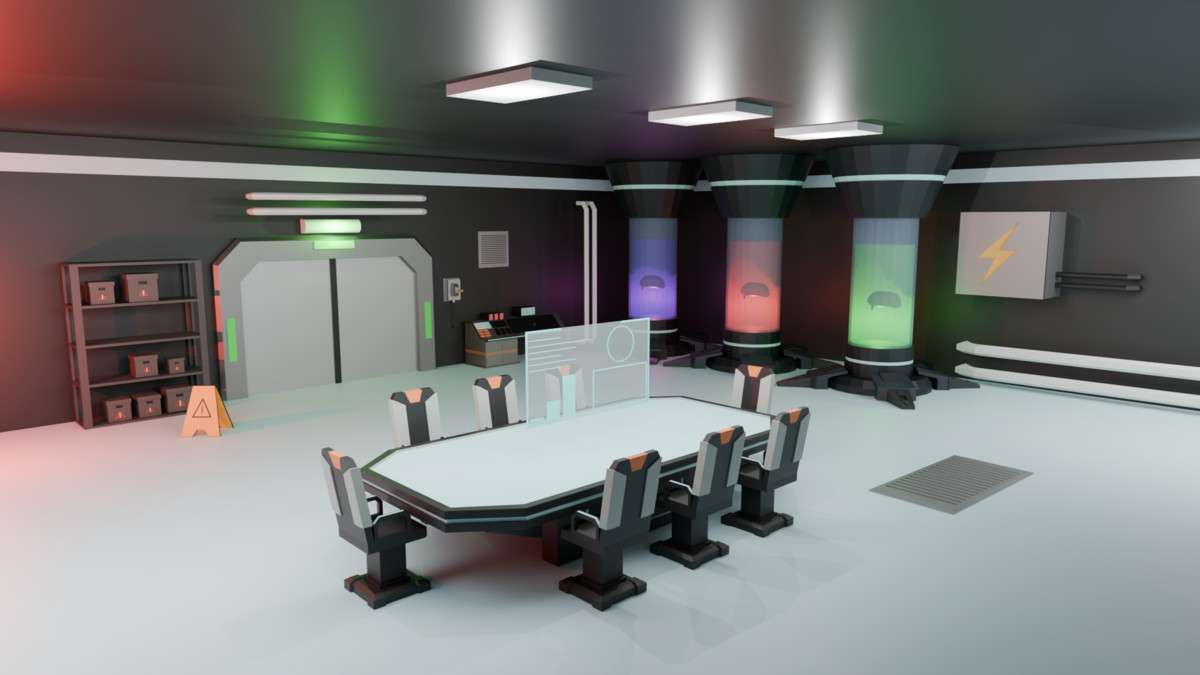
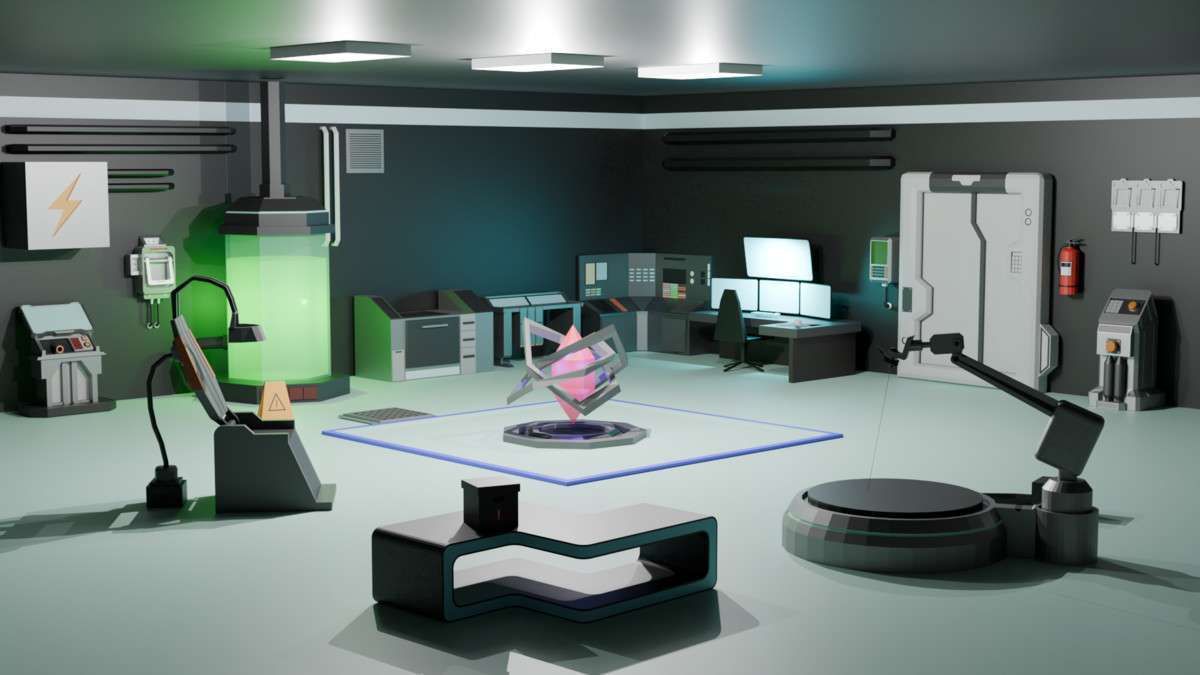
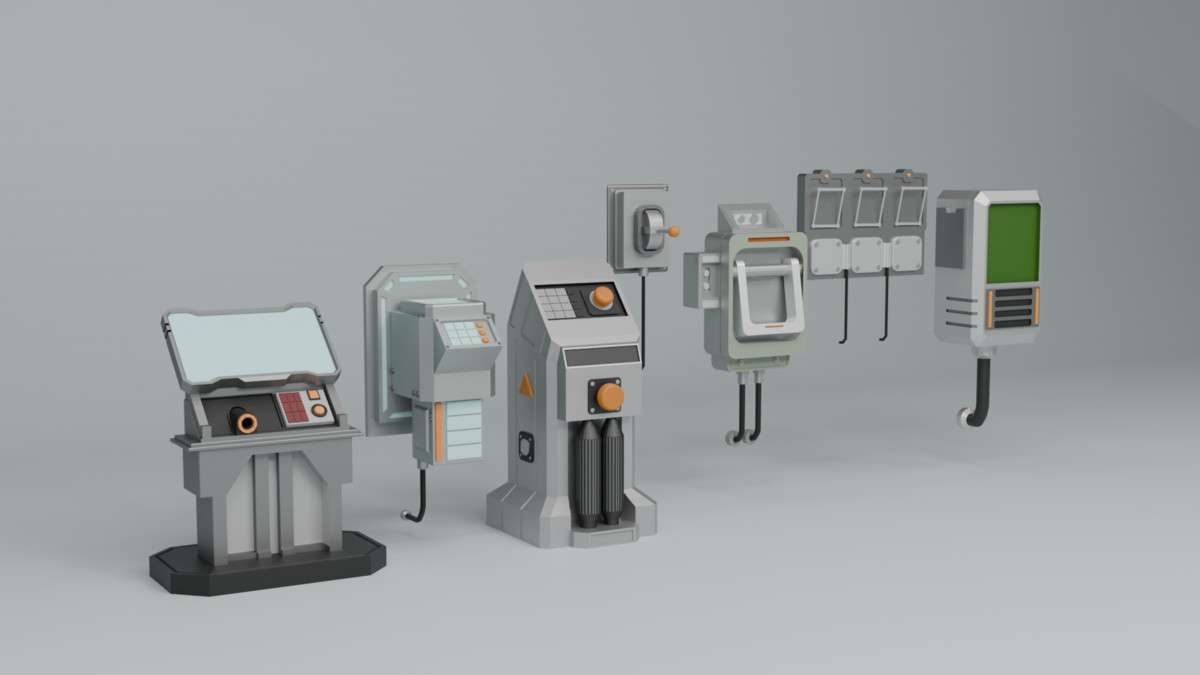
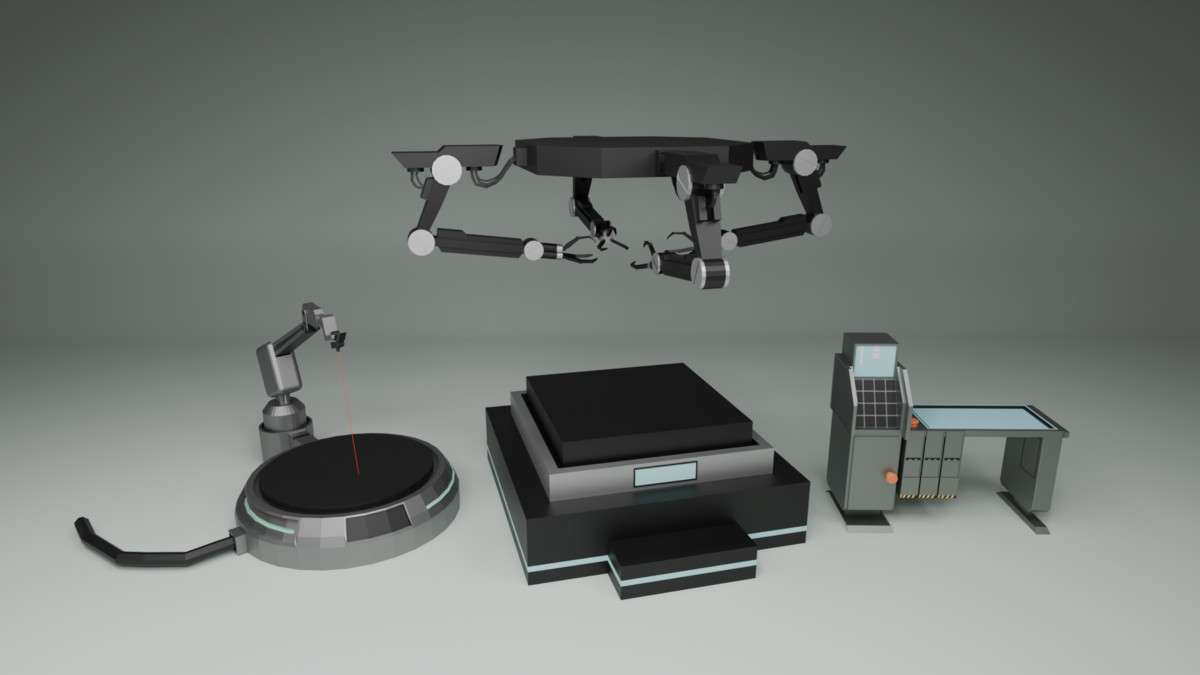
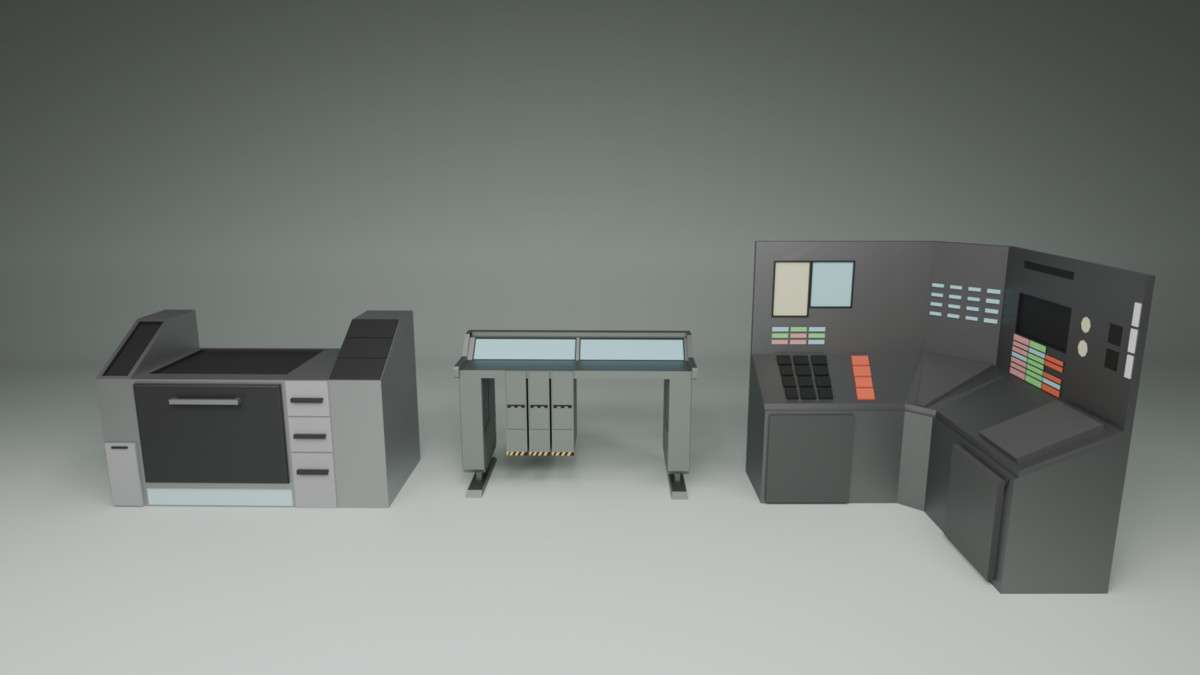
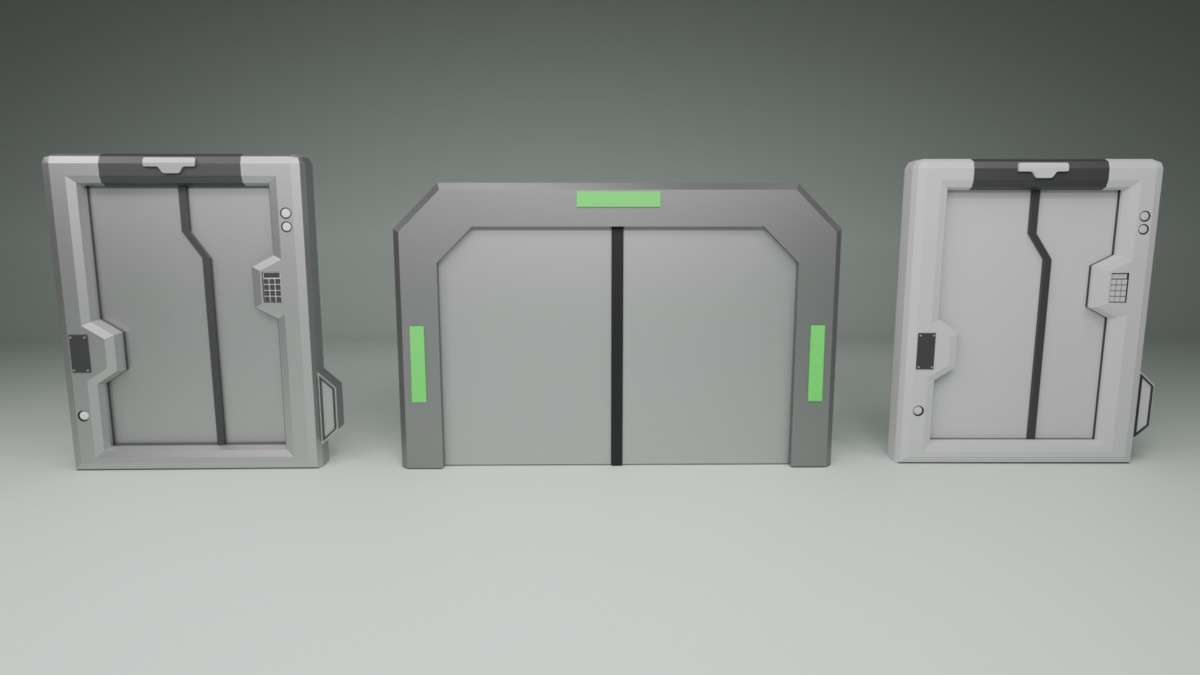
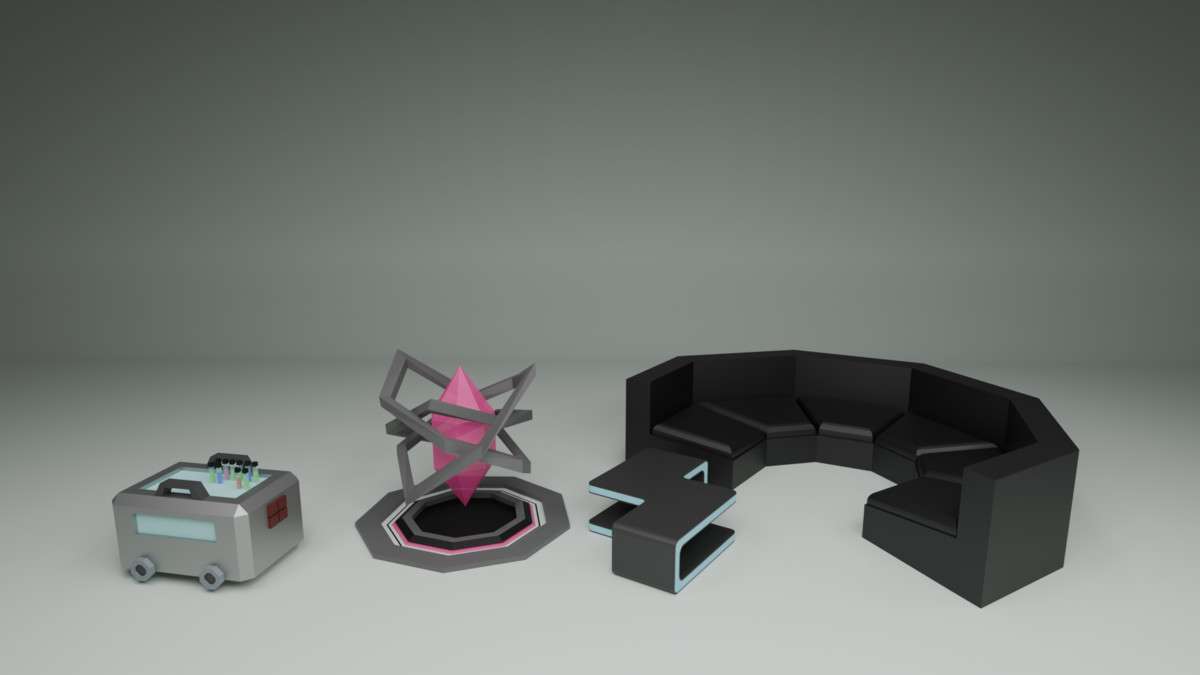
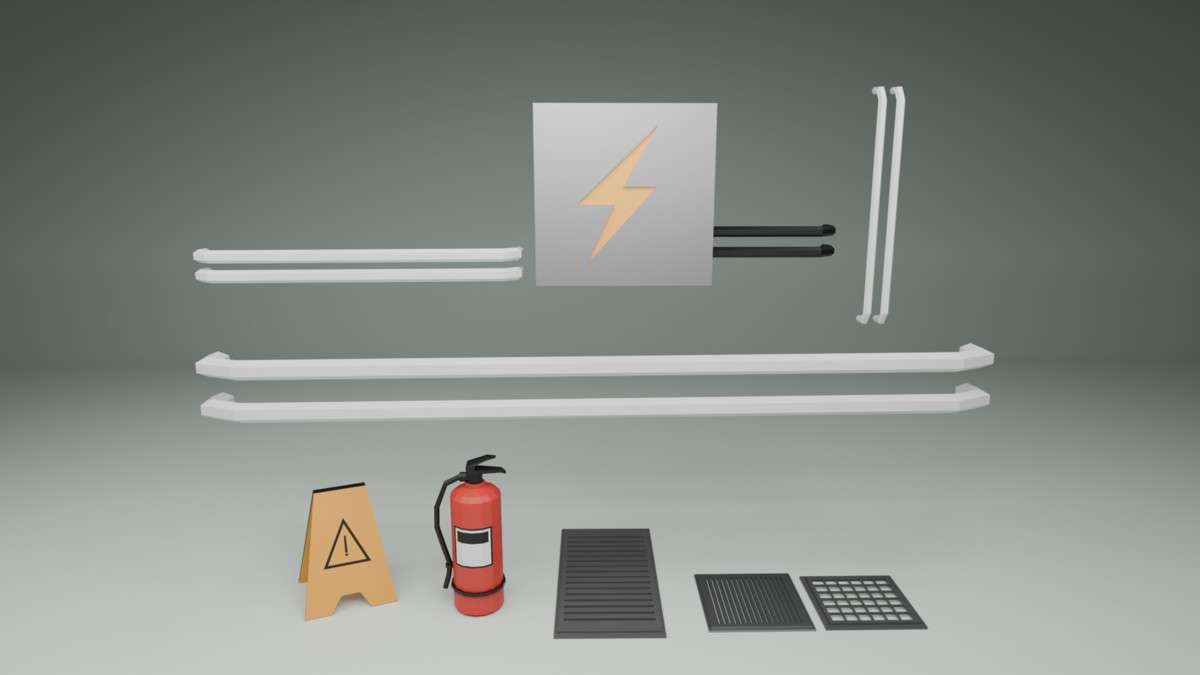
The Low Poly Sci-Fi Modular Pack Unity 1.23.0 provides a lean, hierarchy-aware set of assets that are essential for mobile and VR development. By utilizing clean Unity materials instead of heavy texture maps, the pack allows for extreme batching efficiency. Each modular piece, from the sliding doors to the articulated robotic arms, is broken down into logical sub-objects. This structural choice is vital for developers who need to animate specific joints via C# or trigger interactions through Unity Events without the overhead of complex bone hierarchies.
Integration Tips
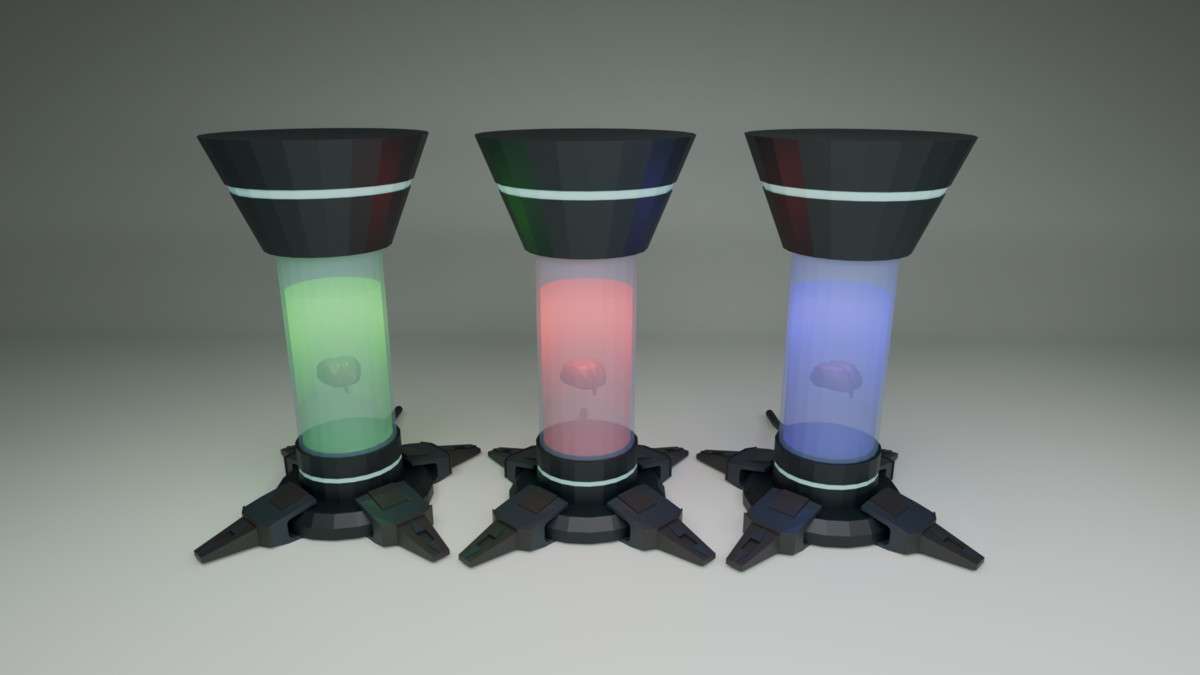
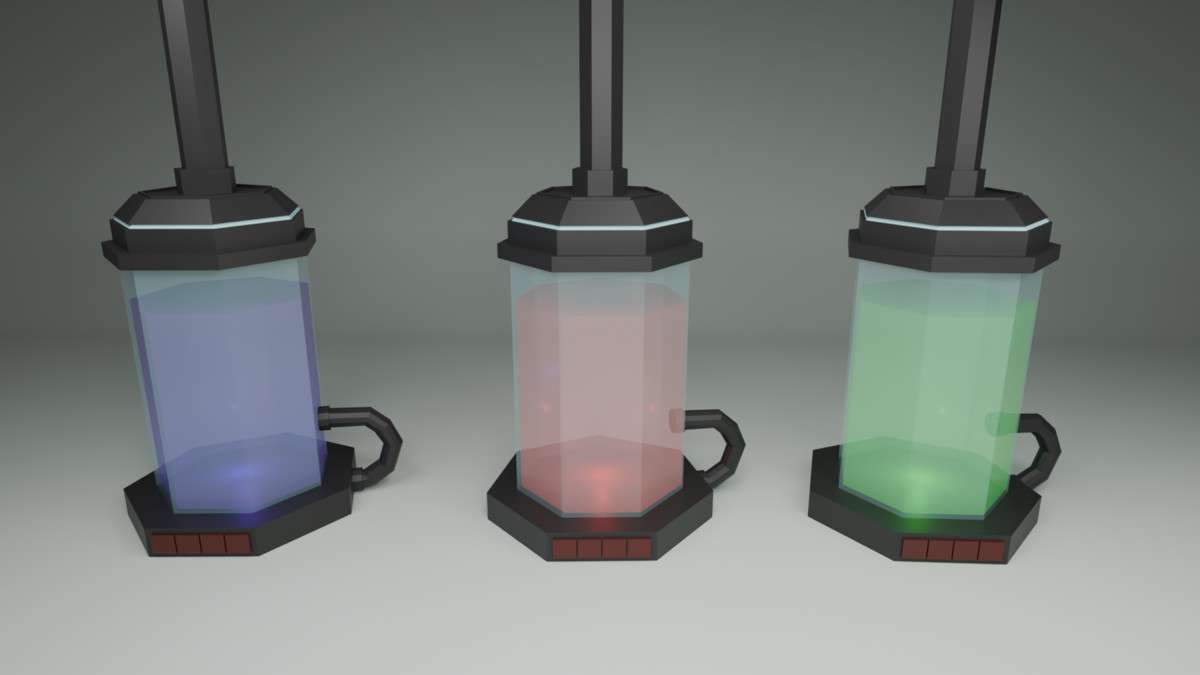
- Static Batching: Since many of these assets are used to build the static environment, ensure you mark non-moving parts (like wall frames and vats) as ‘Static’ in the Inspector. This will allow Unity to combine them into fewer draw calls at runtime.
- Animation Controllers: The robotic arm and sliding doors are delivered with separate components. Instead of using heavy Animator components for simple doors, use a lightweight tweening library or a simple Lerp script to move the sliding panels for better performance on mobile.
- Color Customization: Since the assets use materials for color, you can create a single ‘Master Material’ and use Material Property Blocks to change the accent colors of different rooms without creating hundreds of unique material assets.
Best Use Cases
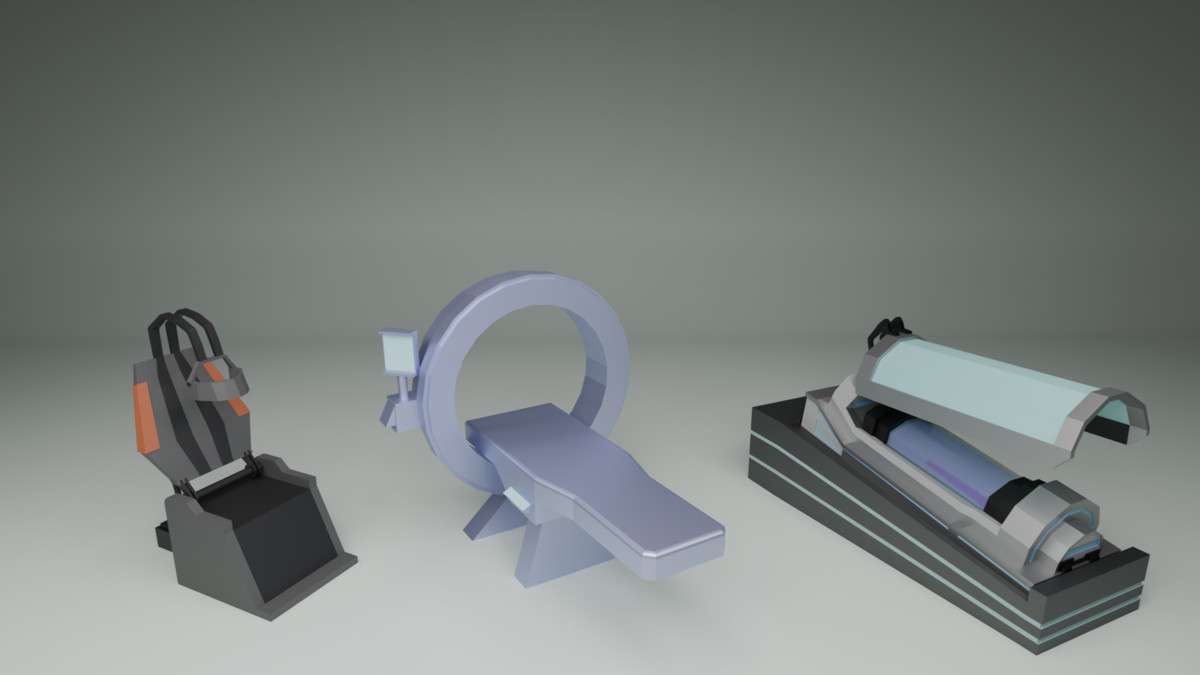
- Mobile VR Escape Rooms: The low poly count and modularity make it perfect for mobile VR. The separate lids and frames on the scientific capsules are ideal for physics-based interactions and puzzle mechanics.
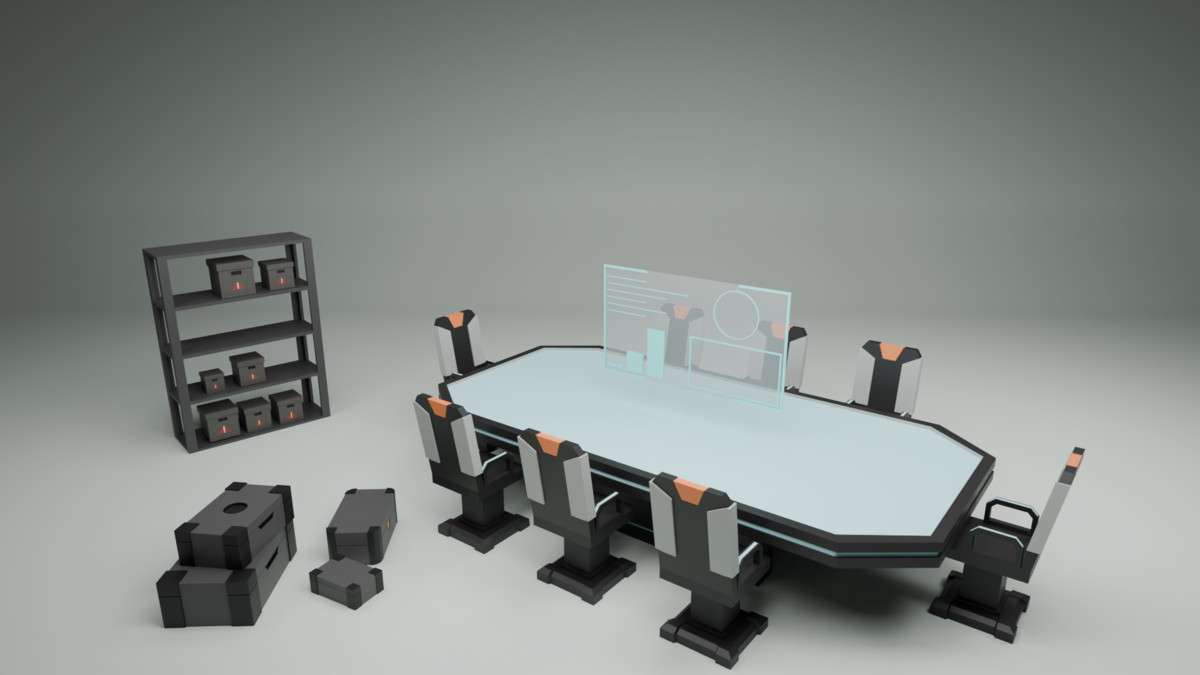
- Rogue-lite Level Generation: The consistent grid-based design of the modular pieces allows for easy integration into procedural generation scripts, enabling the creation of diverse facility layouts that share the same optimized memory footprint.