
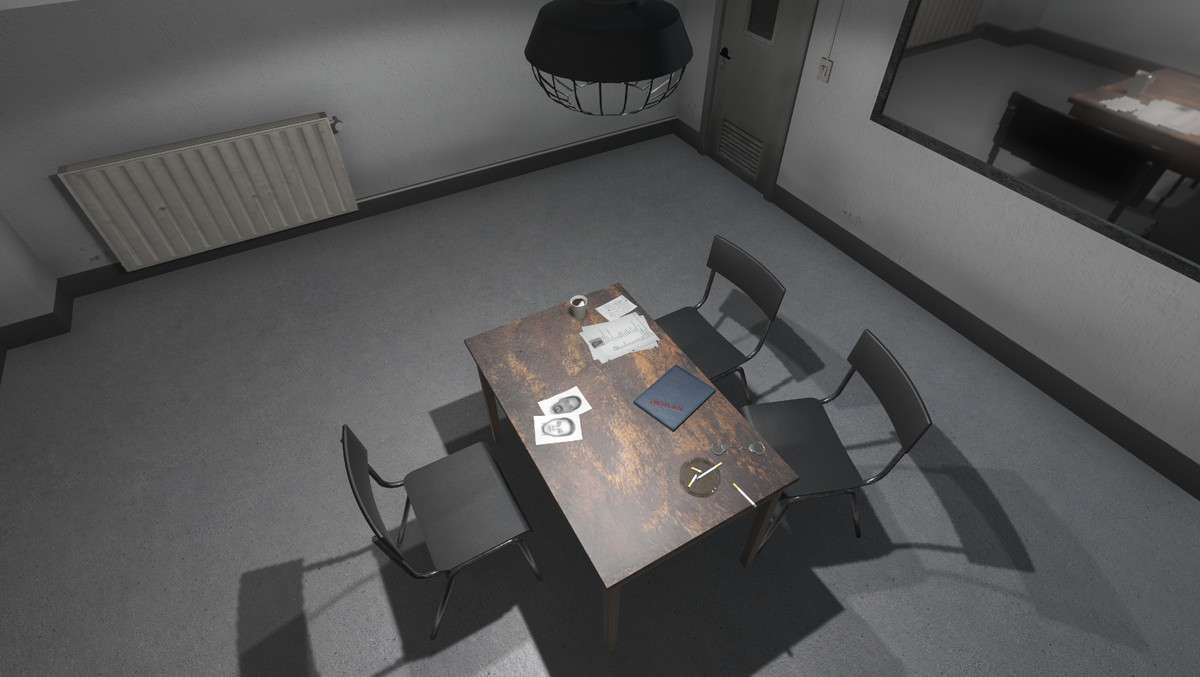
Professional Low-Poly Environment Design
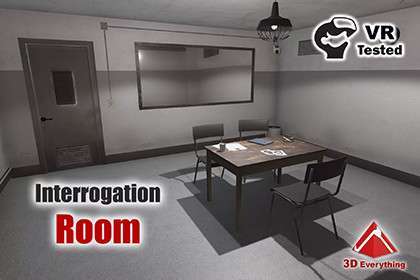
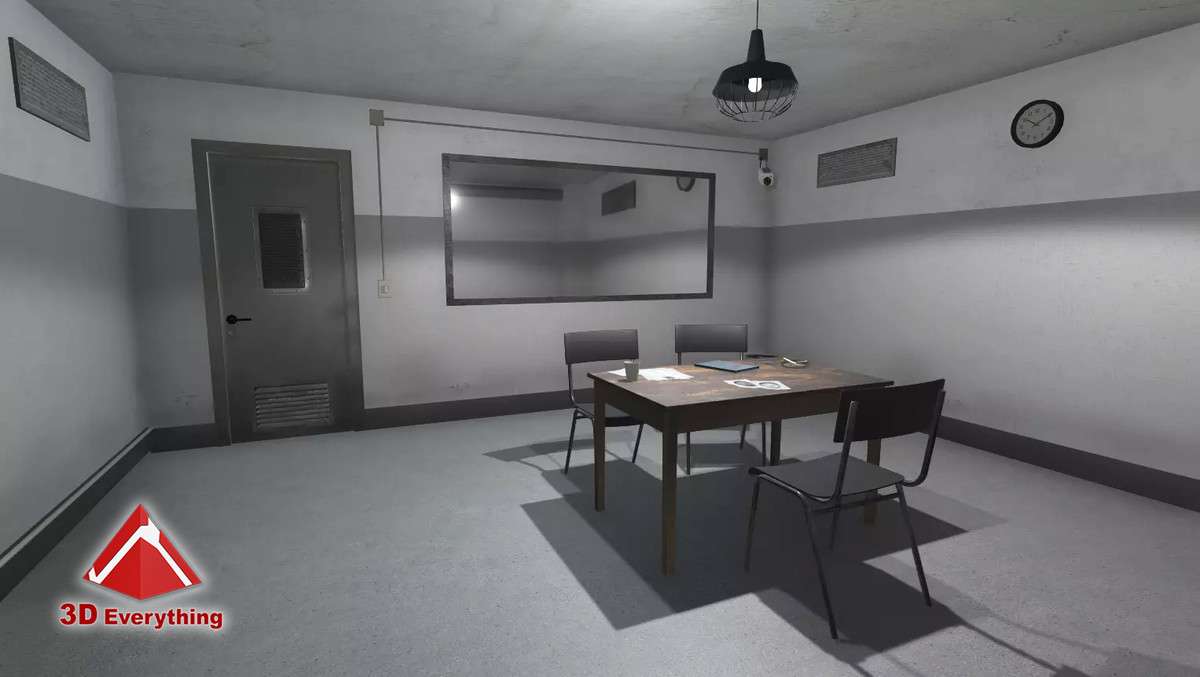
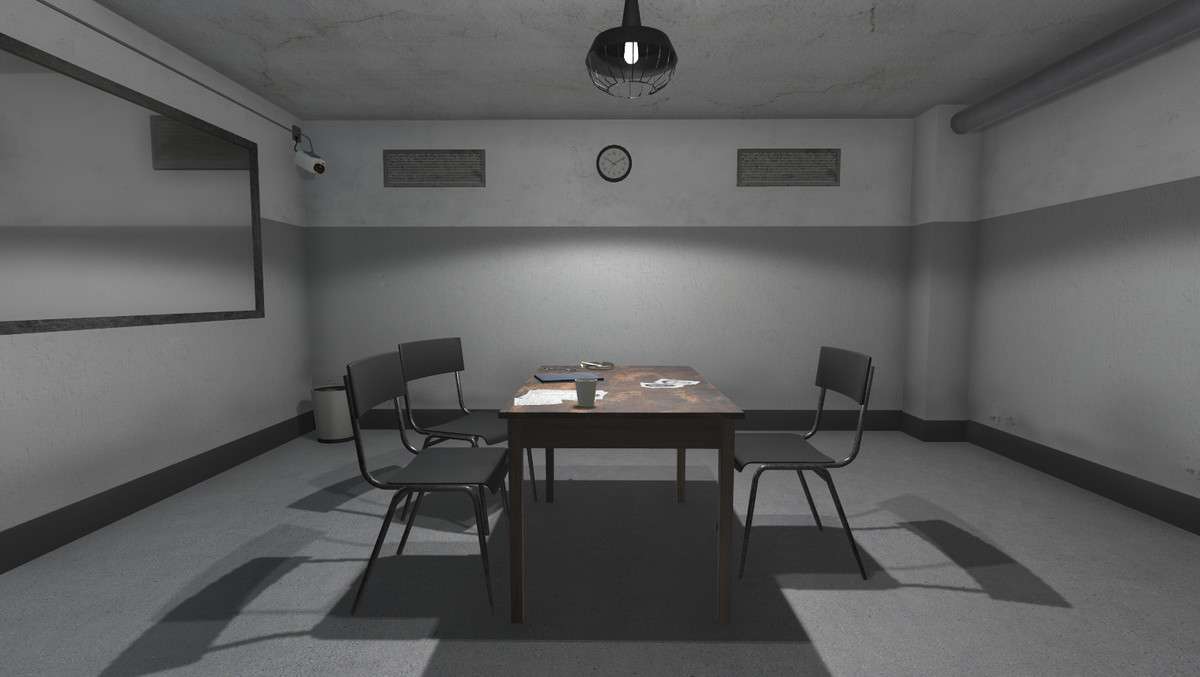
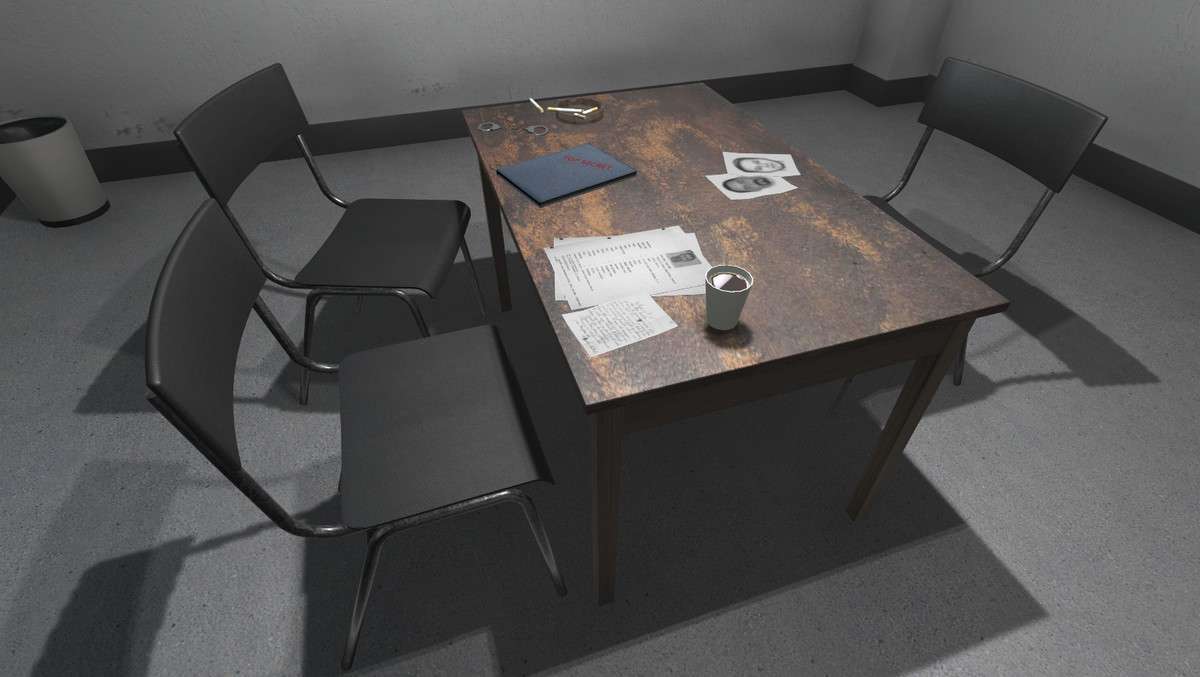
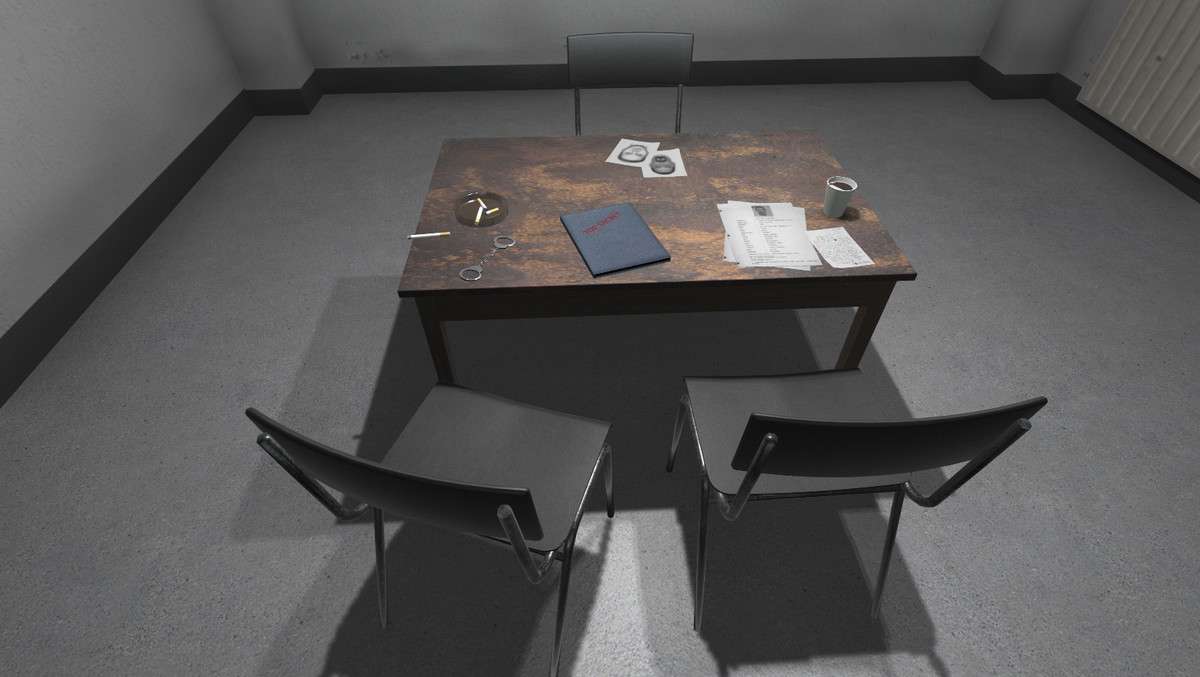
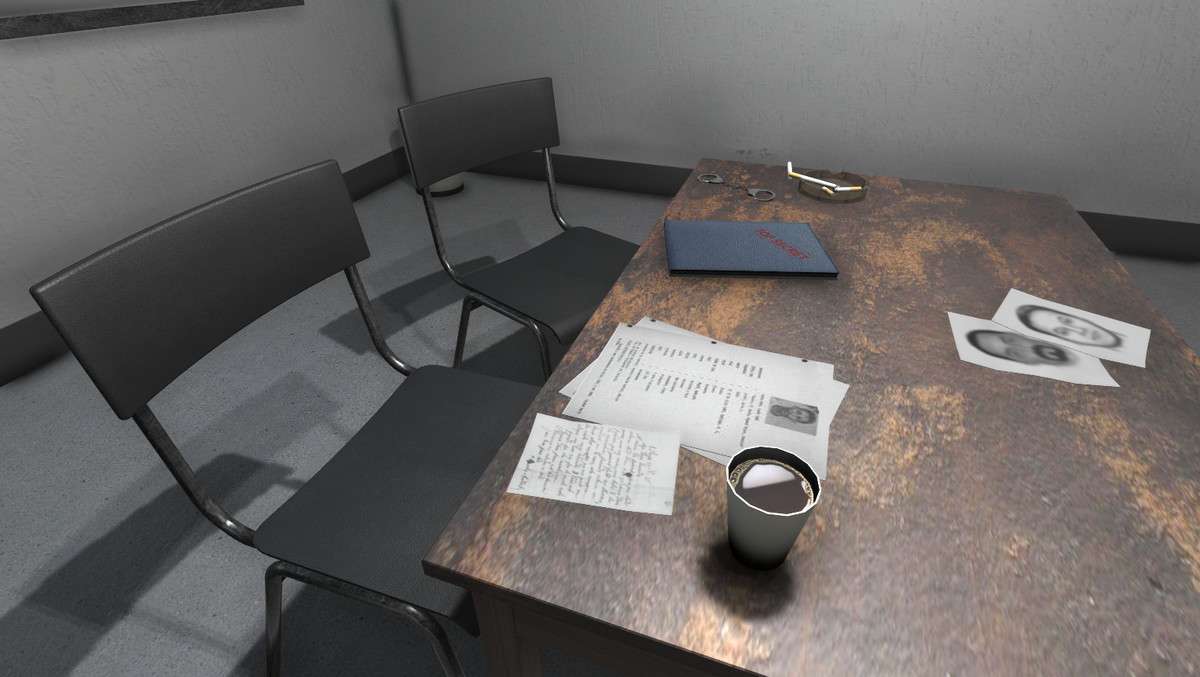
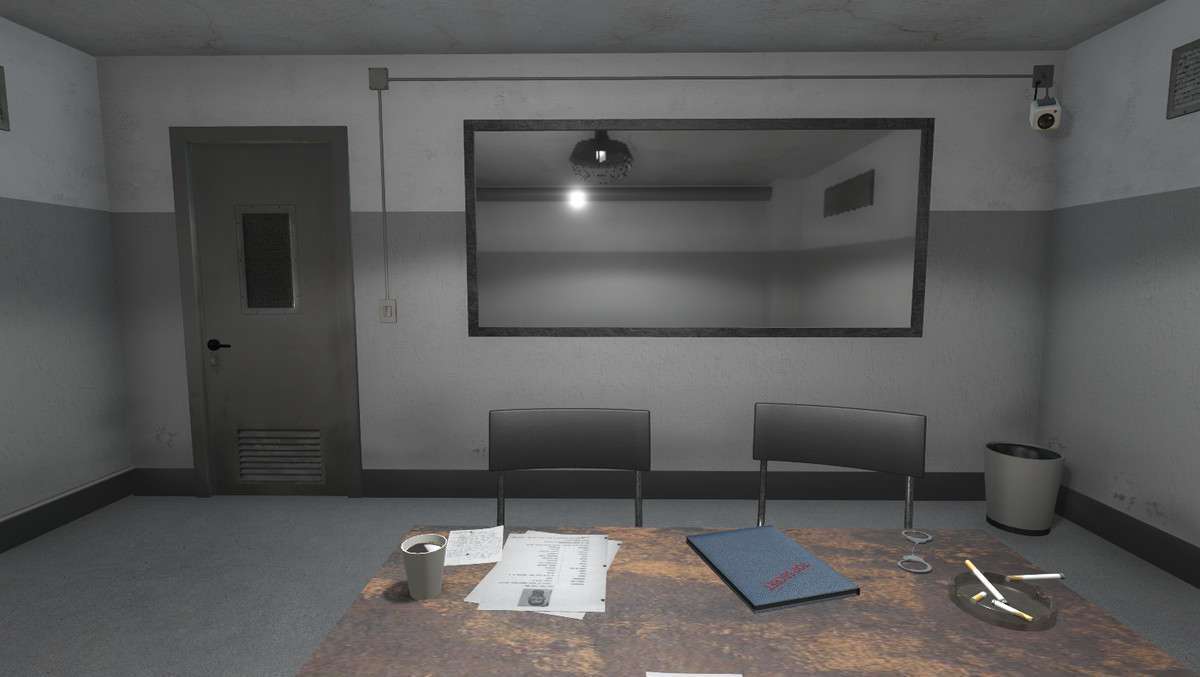
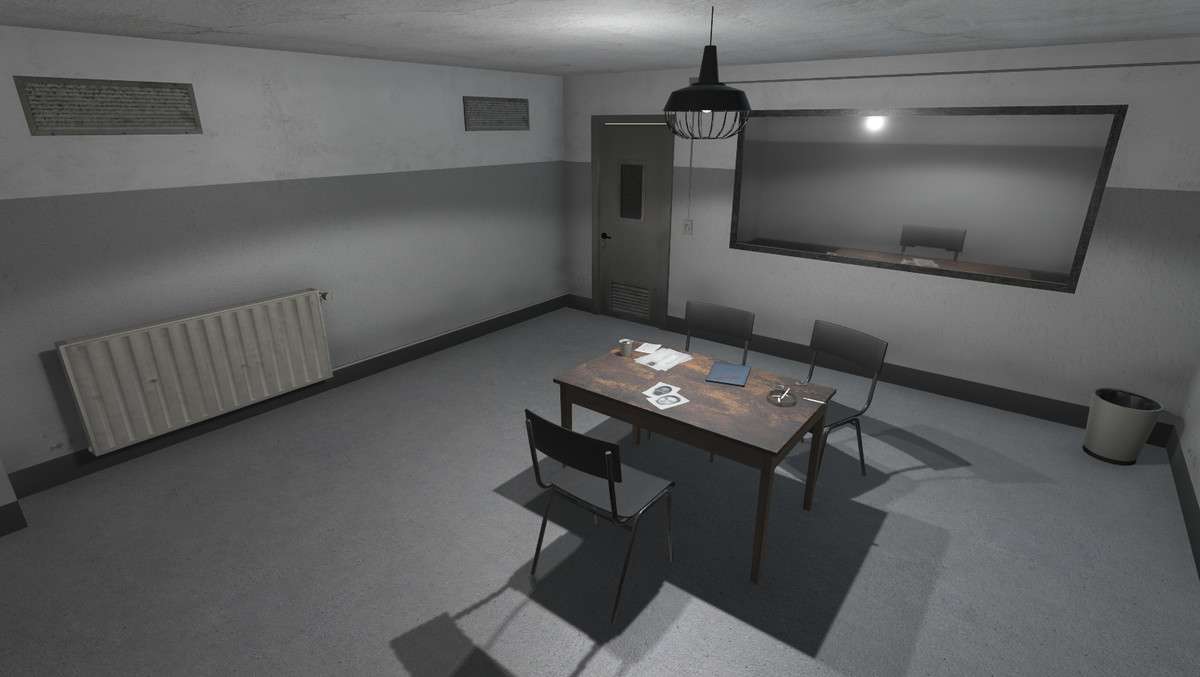
In our latest build, we integrated the Interrogation Room Unity asset to handle a narrative-heavy police procedural sequence. The standout feature here is the vertex density management; with models ranging from 200 to 4,700 triangles, it sits in that ‘sweet spot’ for mobile VR where you can maintain 72-90 FPS on standalone headsets like the Quest 2 without aggressive occlusion culling. The textures are standardized at 1024×1024, which keeps the memory footprint lean while allowing for crisp detail on the primary interactables like the chairs and the central table.
Integration Tips
When dropping this into a project using URP or HDRP, you will need to run the standard material upgrade path as the base textures are standard PBR. For the mirror prefab, I recommend replacing the default material with a custom Reflection Probe set to ‘Realtime’ if you need the player’s avatar visible, or a simple Planar Reflection component if you’re targeting high-end PCVR. Also, check the collision meshes on the ‘metal door’ prefab; for VR interaction, you may want to swap the default mesh colliders for a set of optimized Box Colliders to prevent physics jitter during hand-tracking interactions.
Best Use Cases
- Standalone VR Thrillers: The low-poly count and optimized 1k textures make this ideal for mobile XR hardware where draw call limits are tight but visual fidelity is required for immersion.
- Modular Stealth Games: Since the 23 models are provided as individual prefabs, they function perfectly as reusable props for larger police station or prison levels beyond the demo scene provided.