
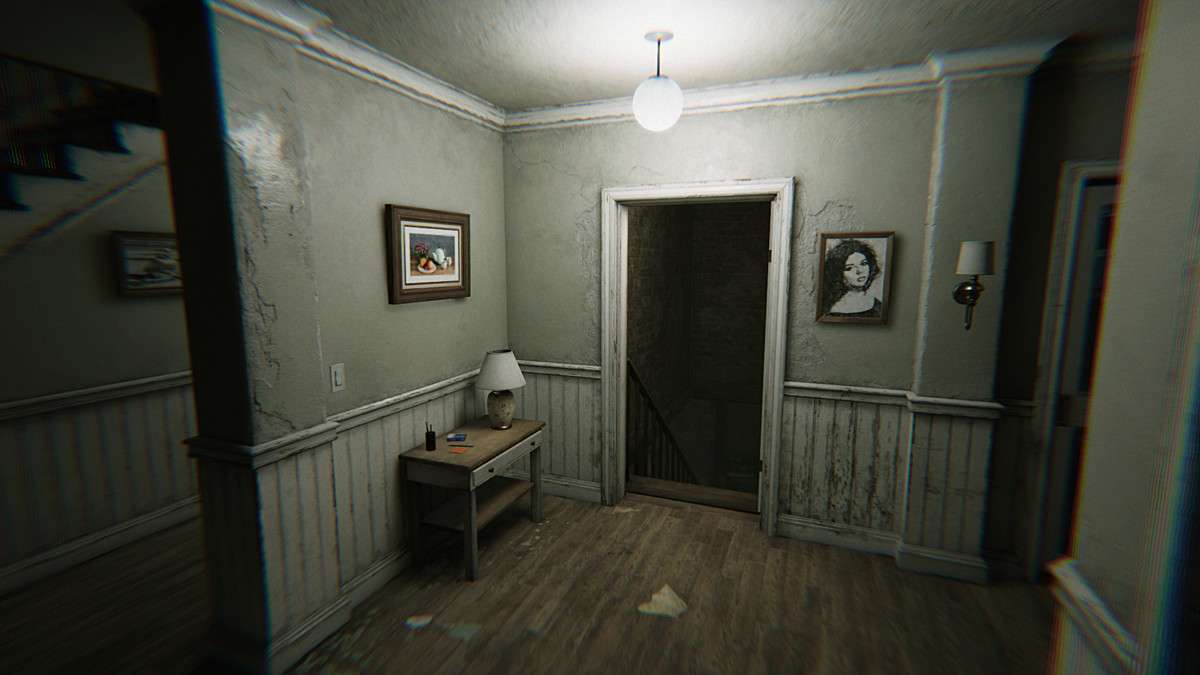
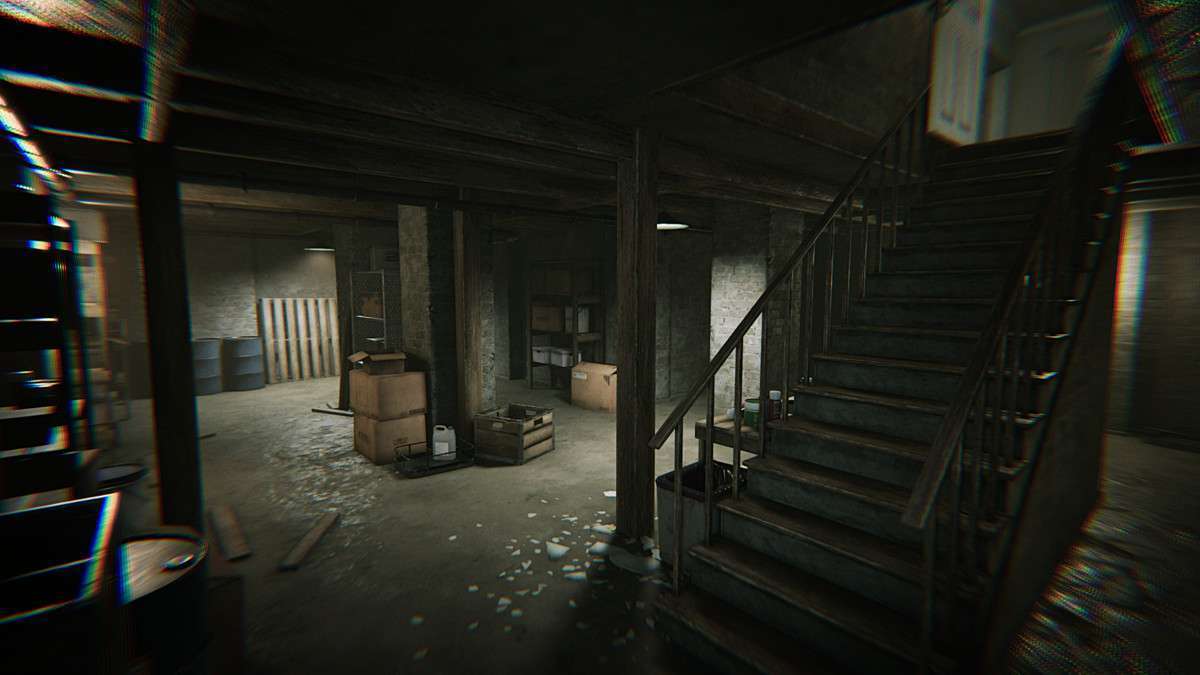
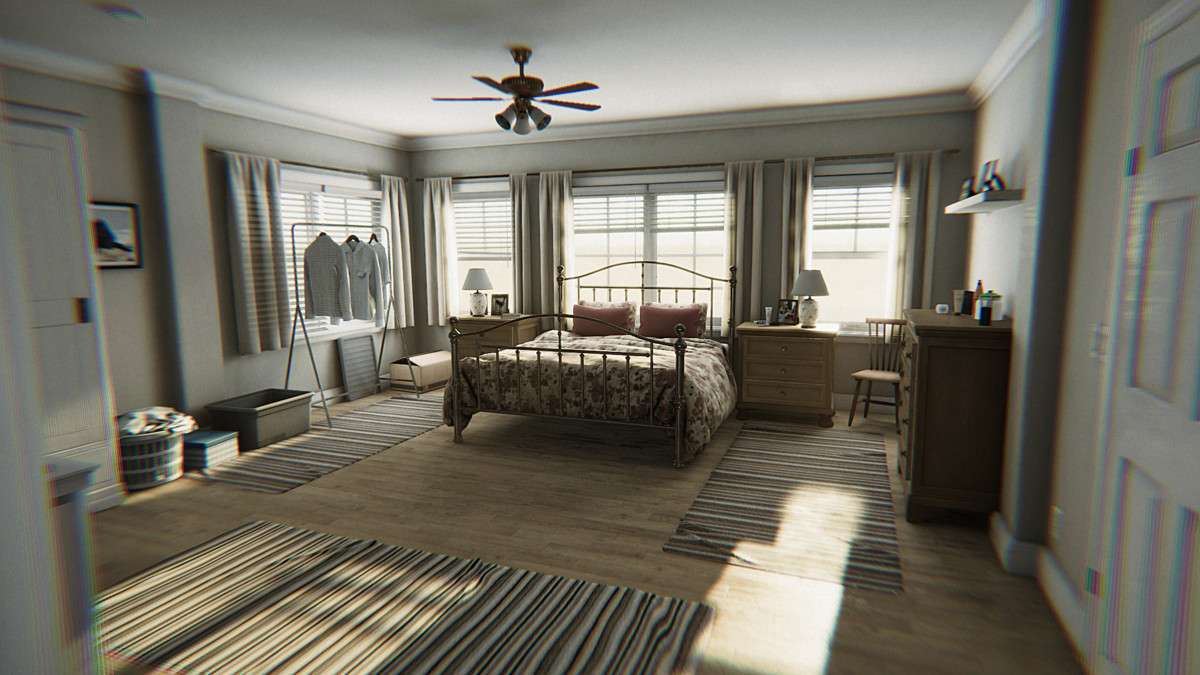
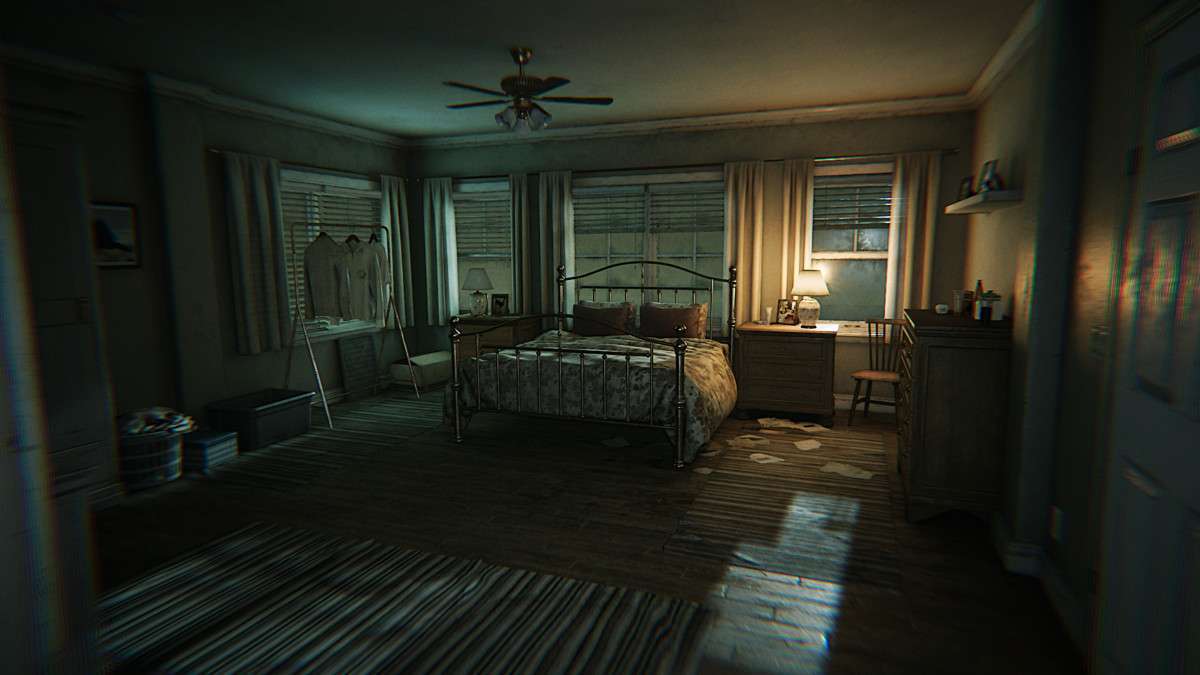
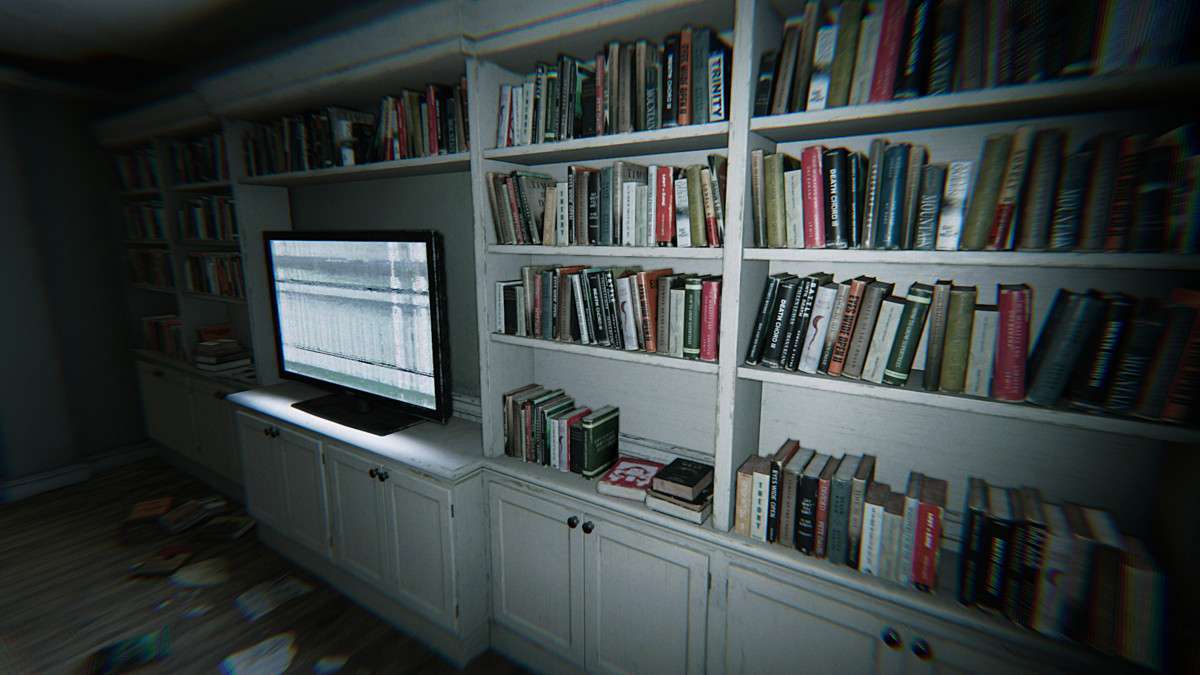
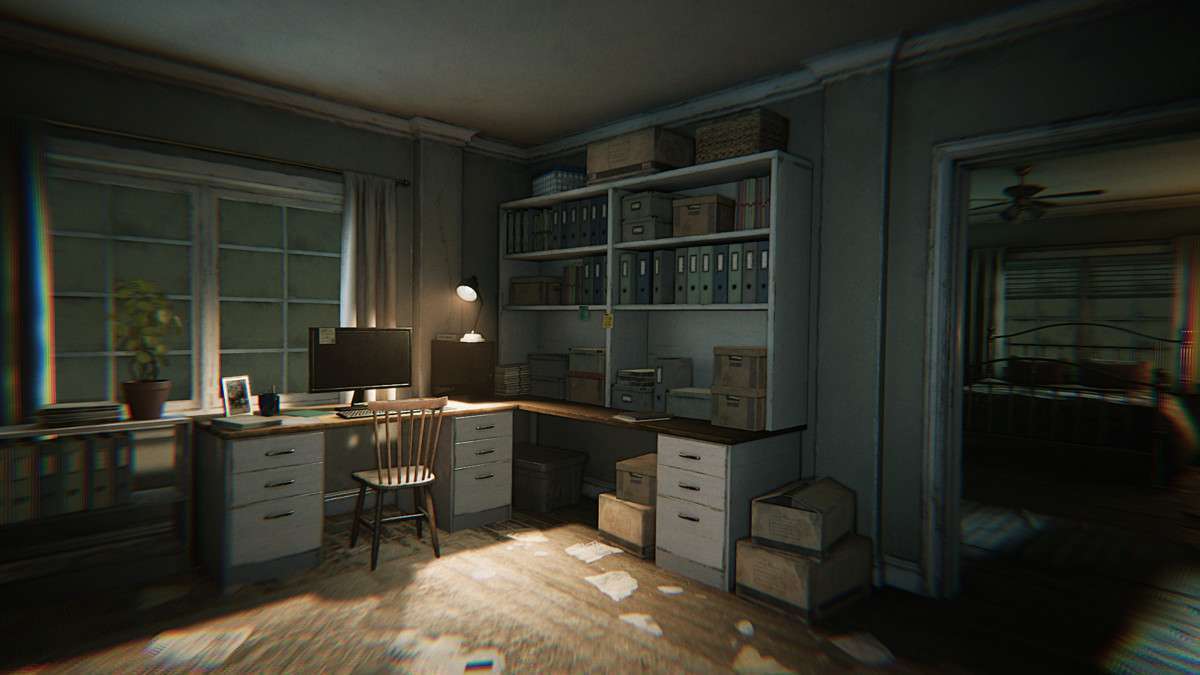
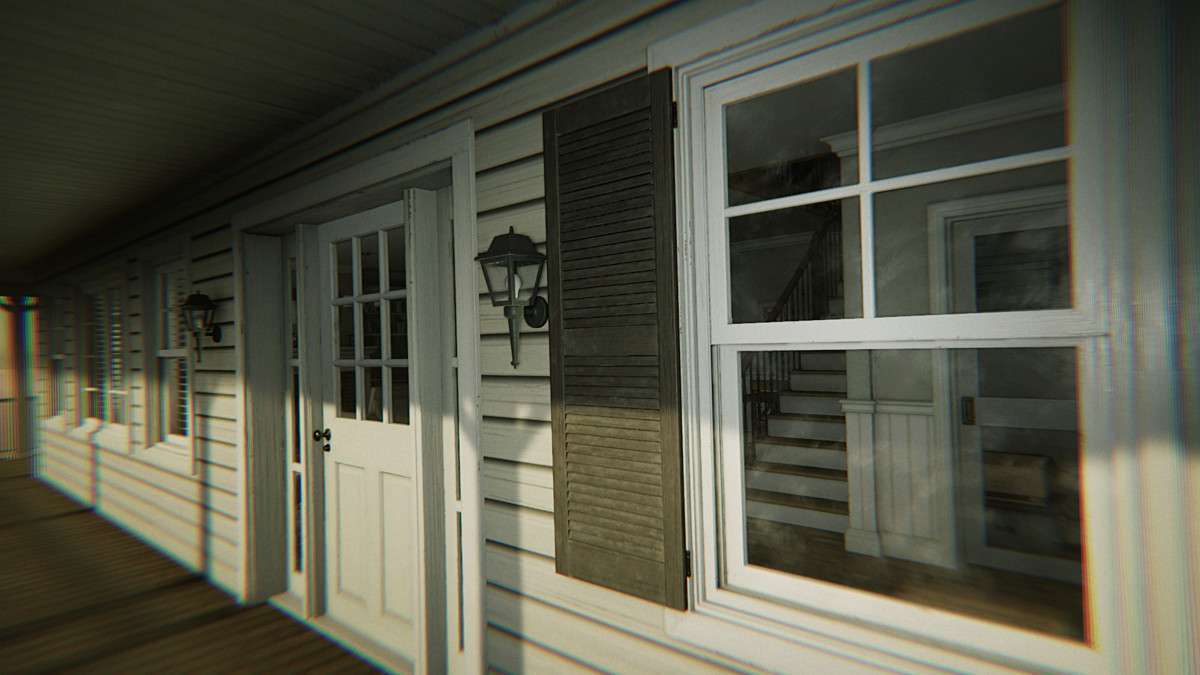
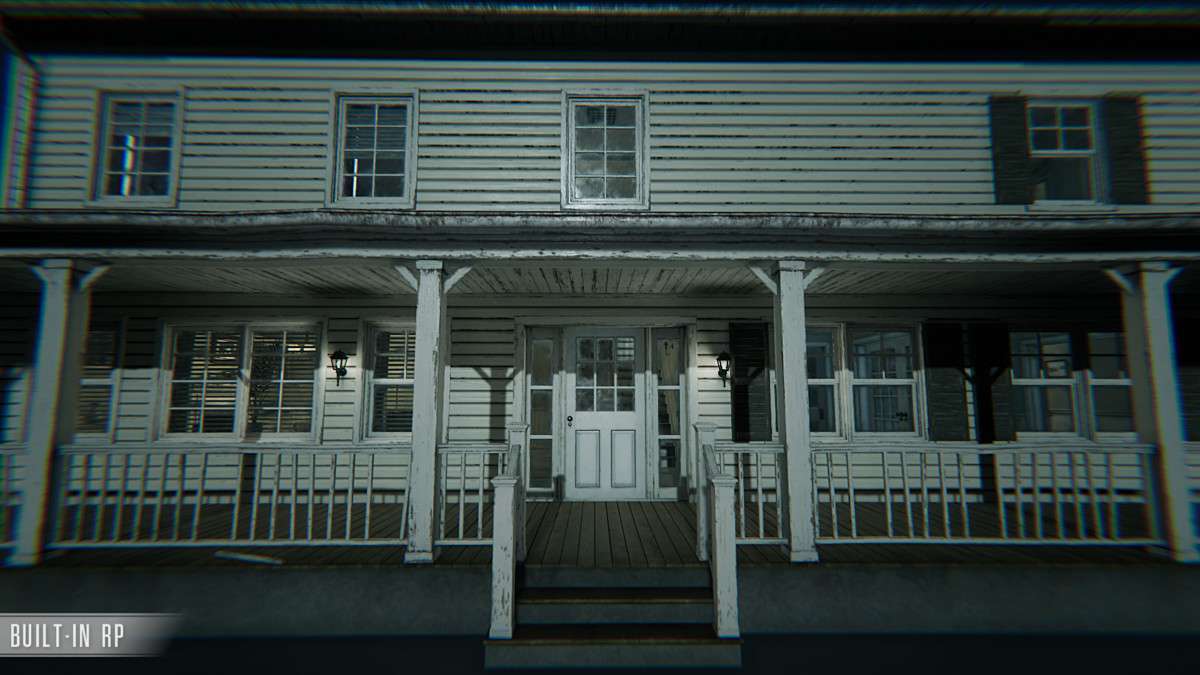
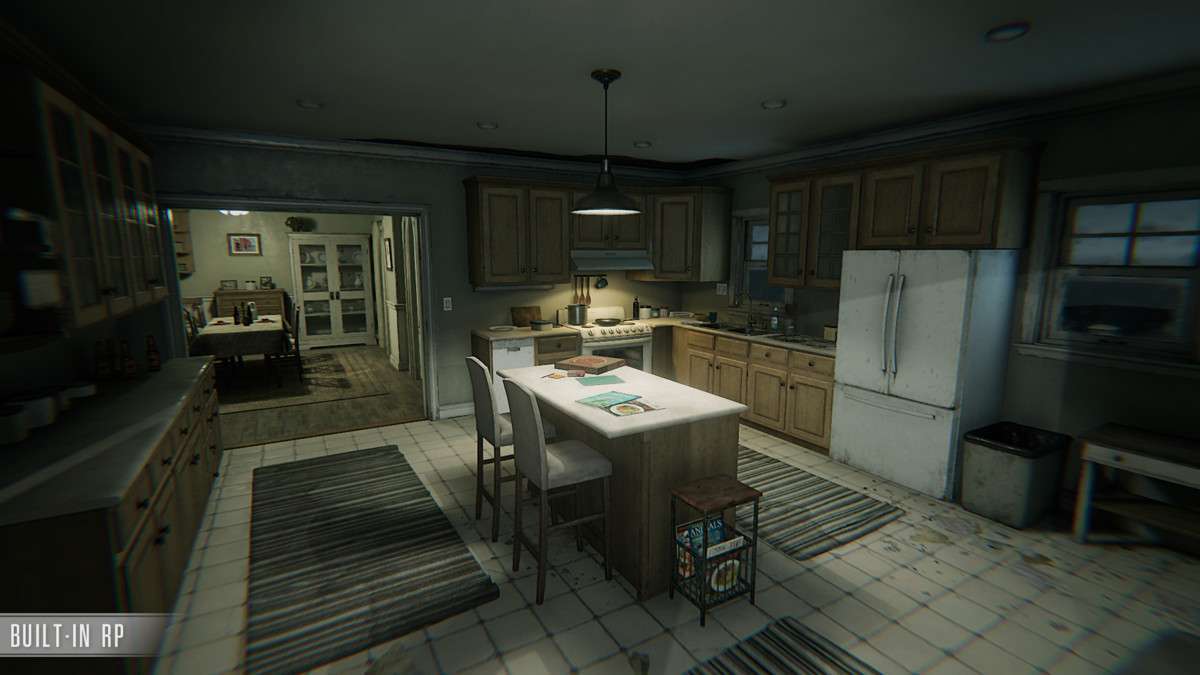
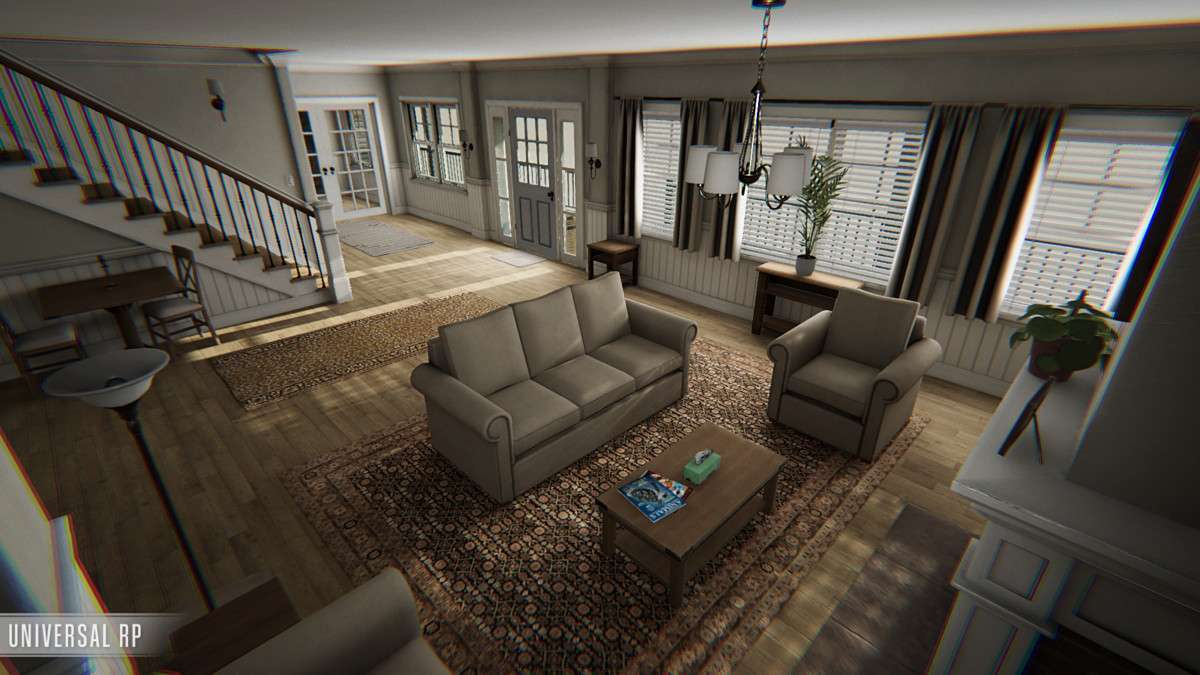
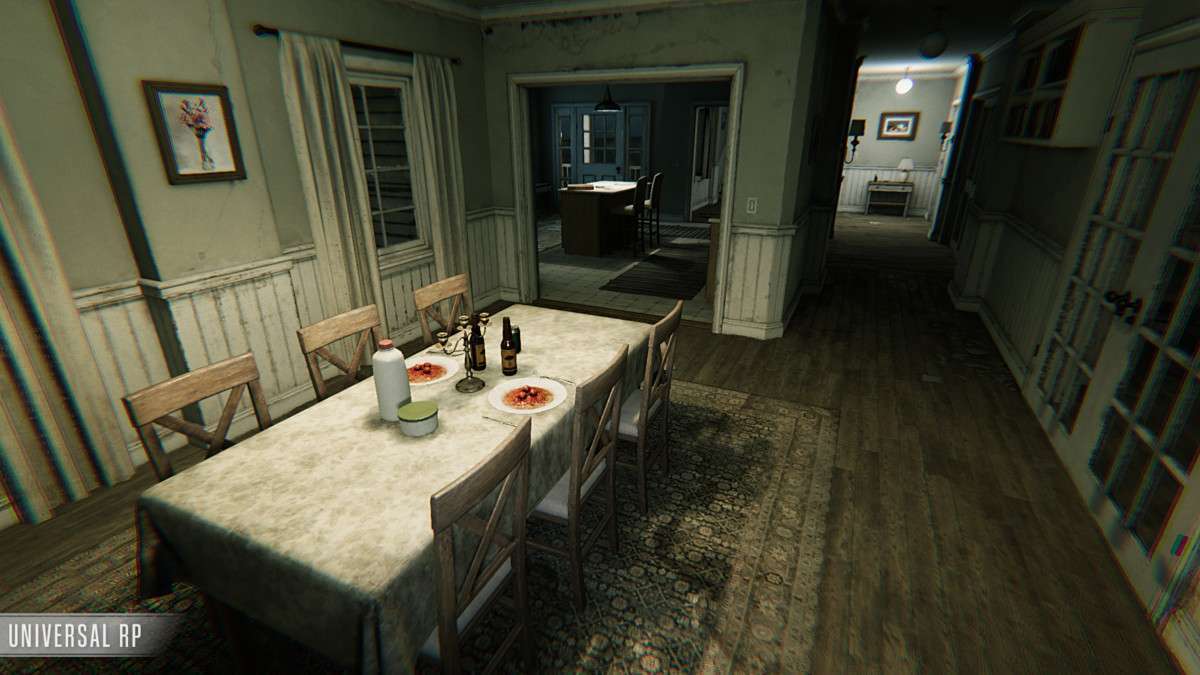
Technical Overview
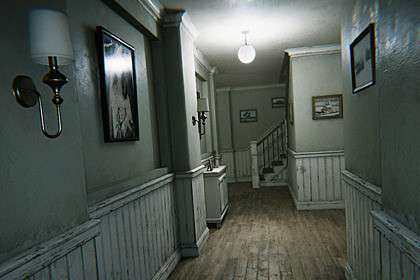
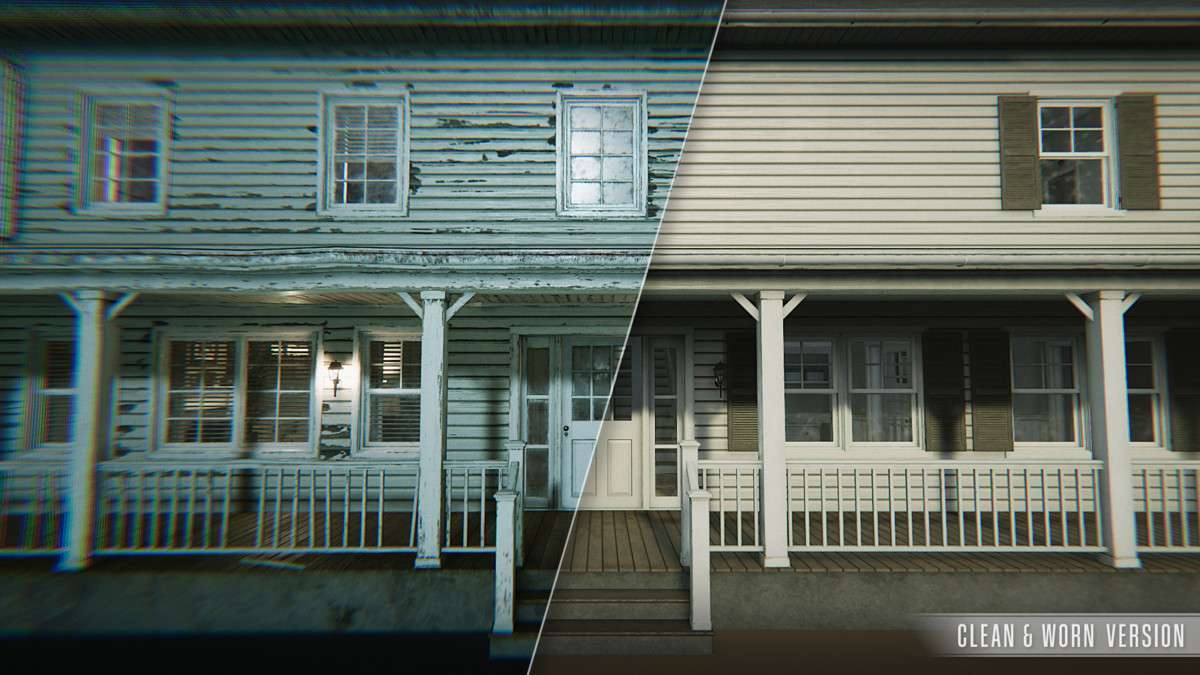
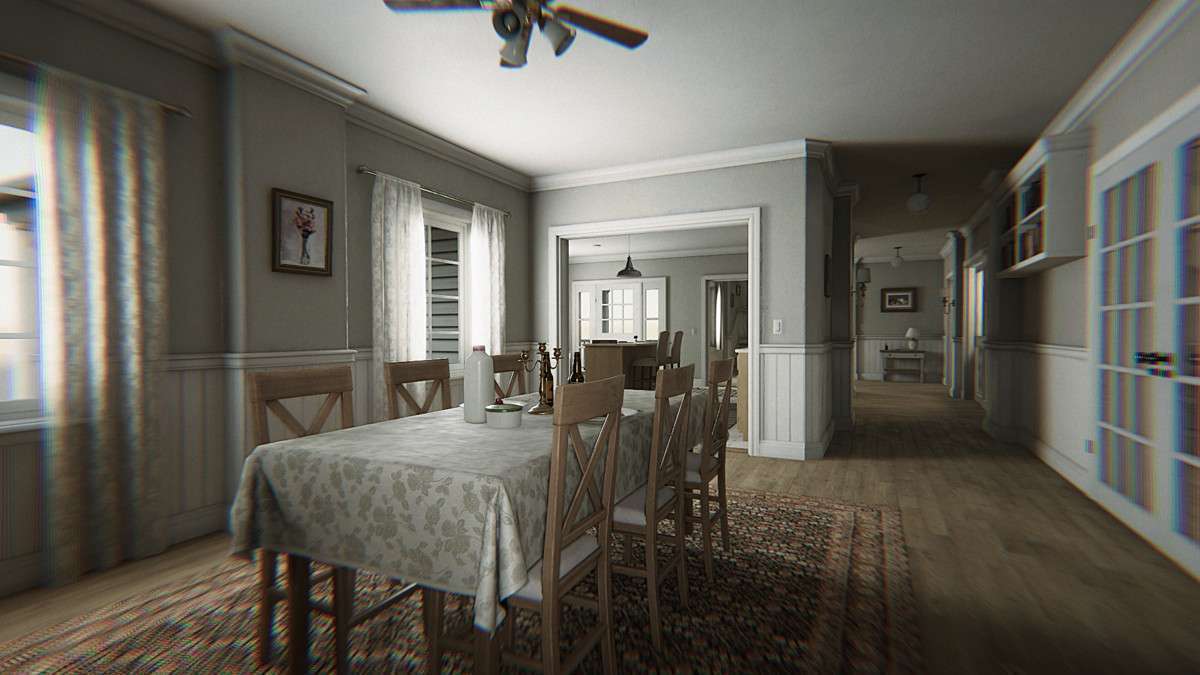
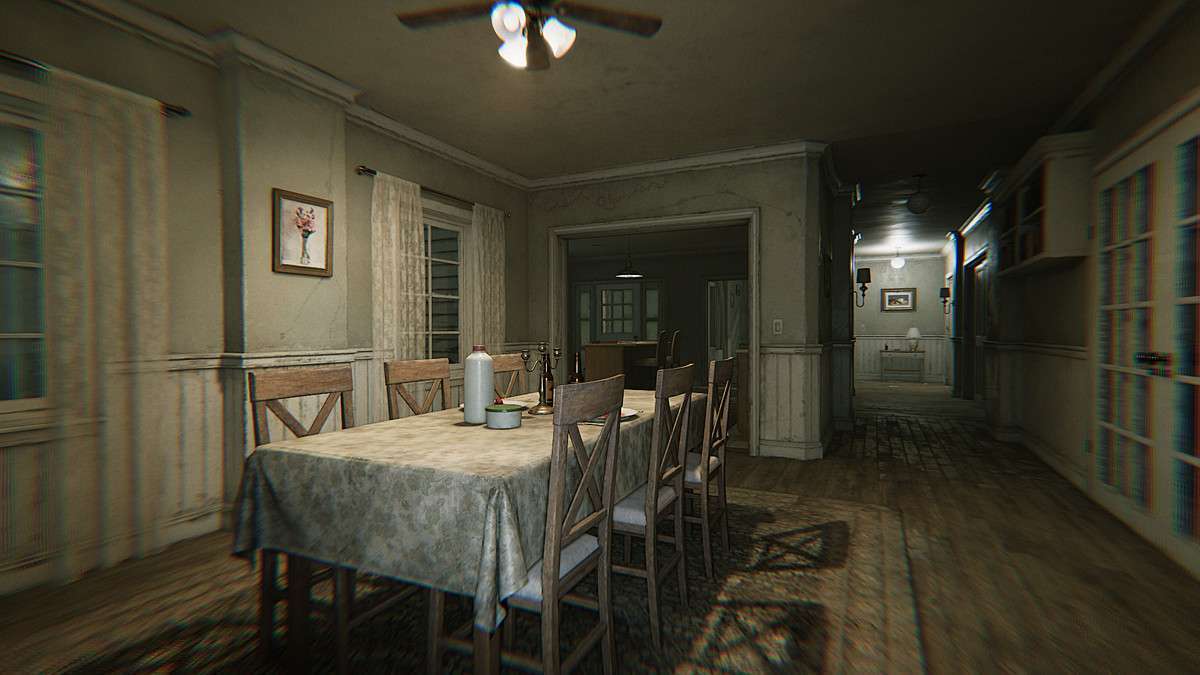
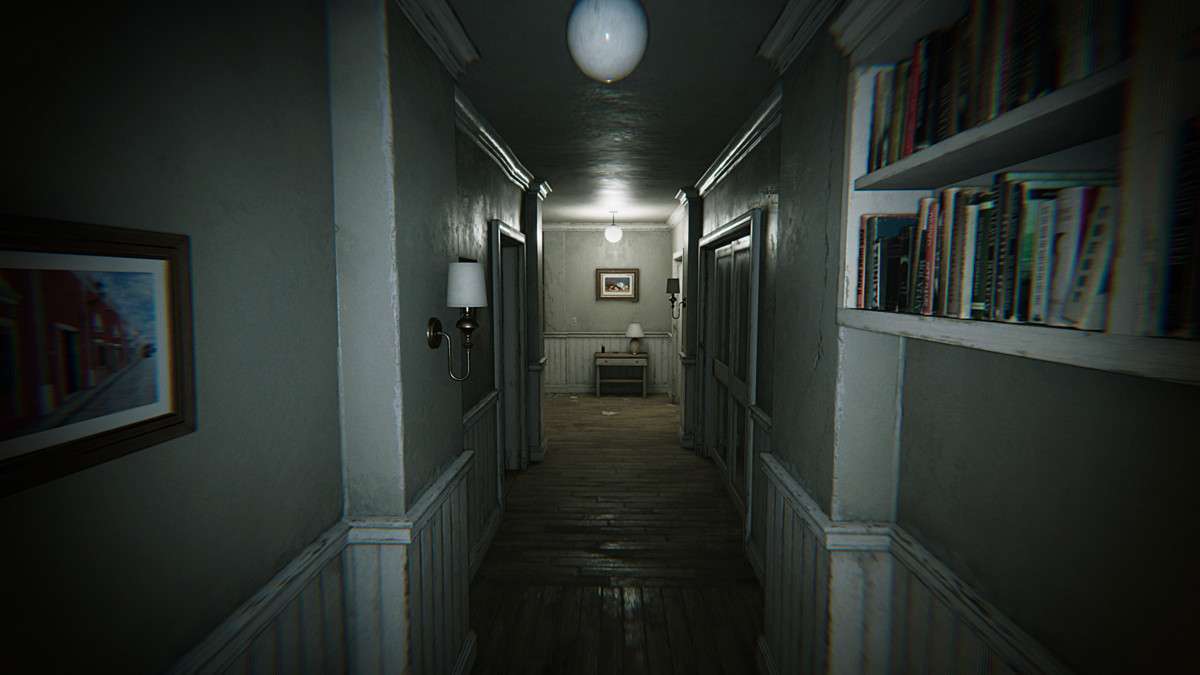
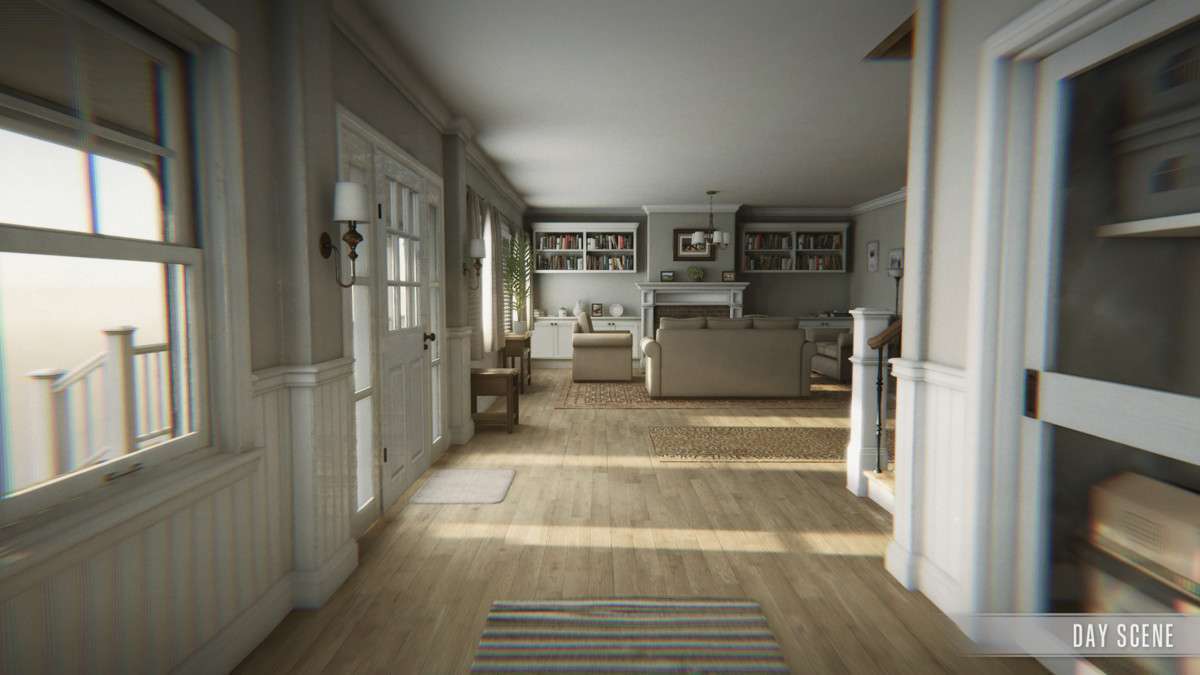
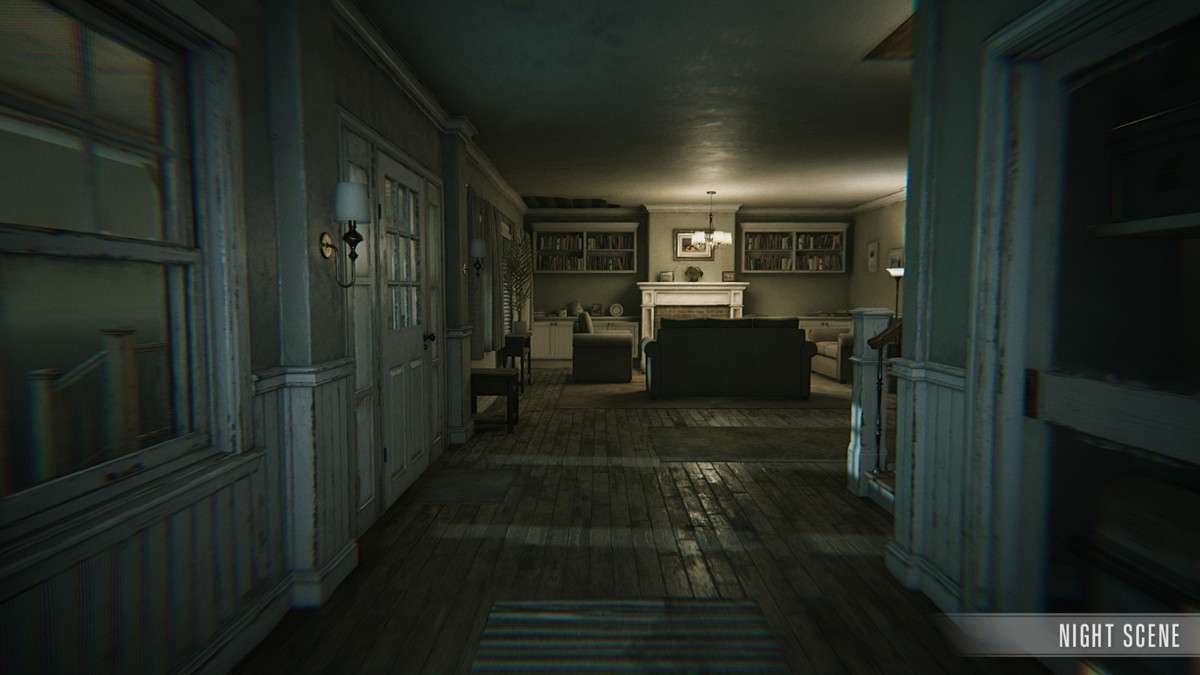
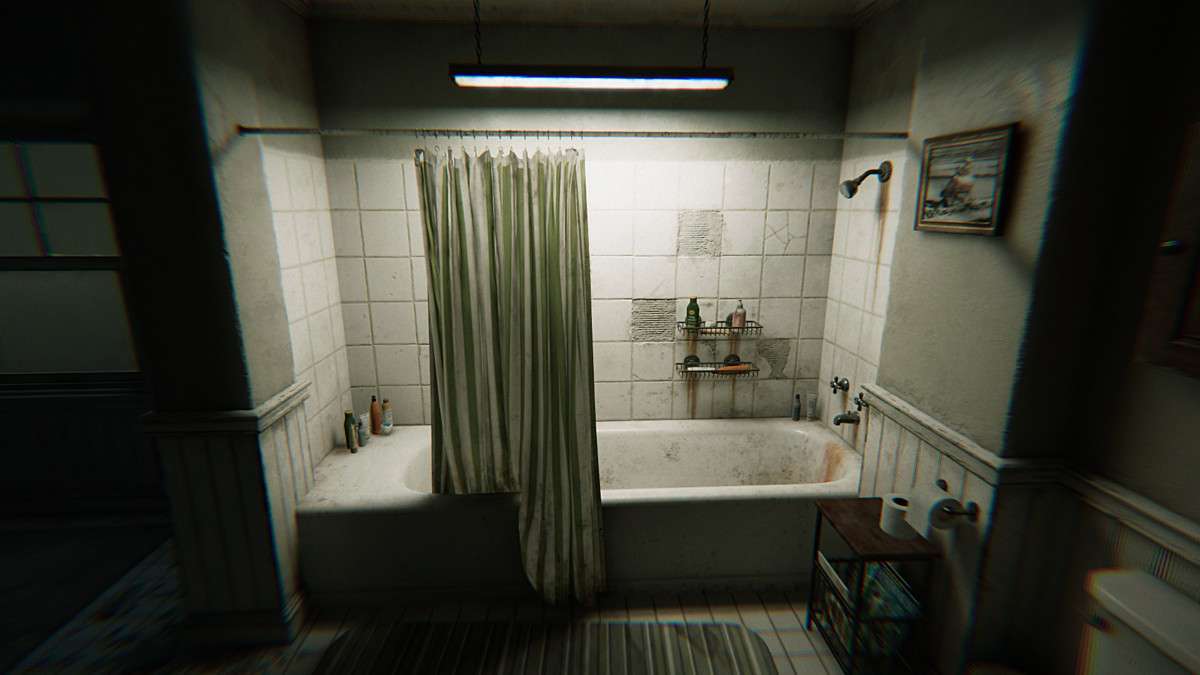
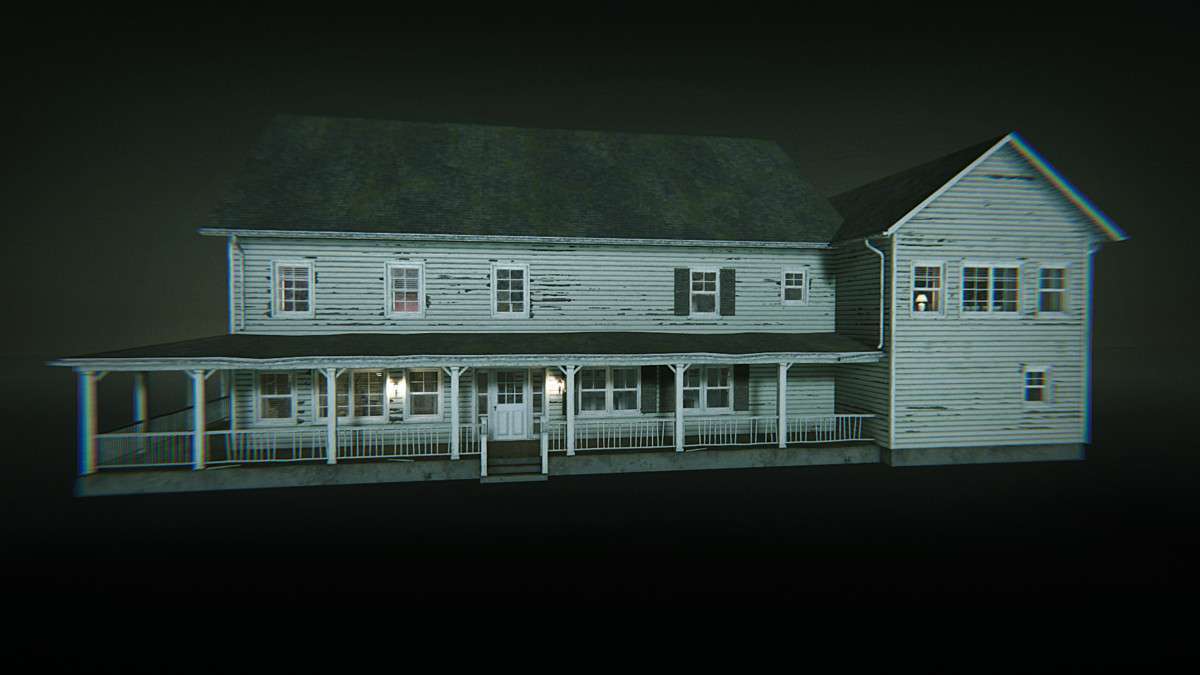
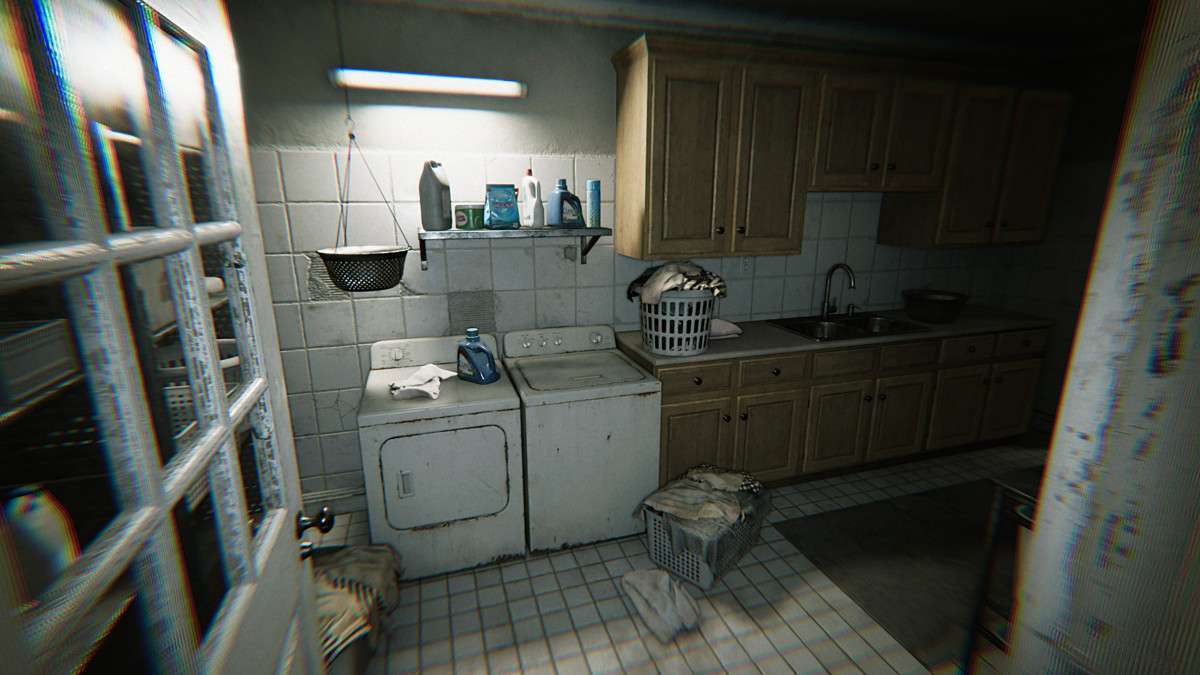
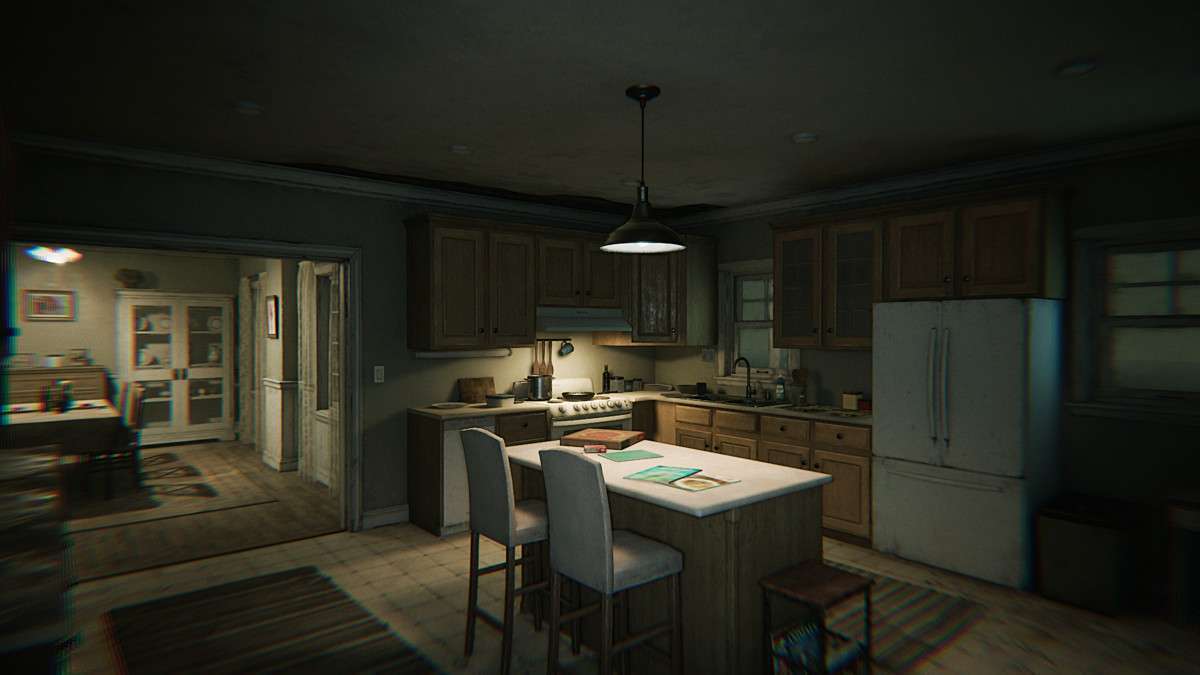
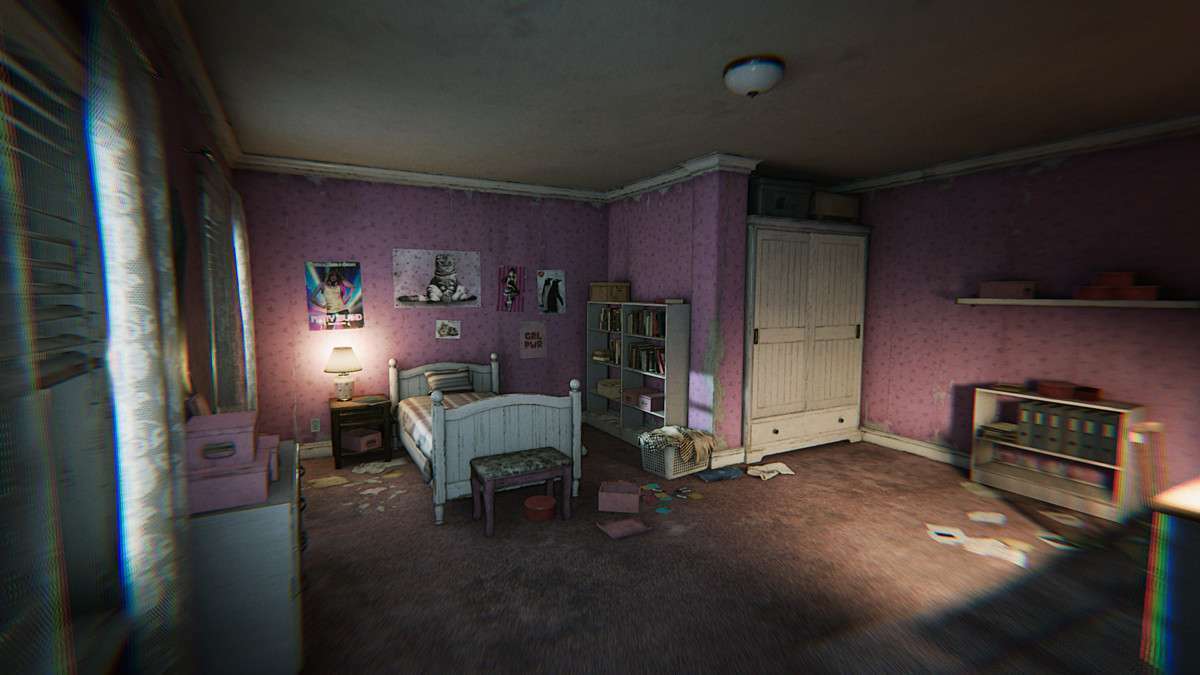
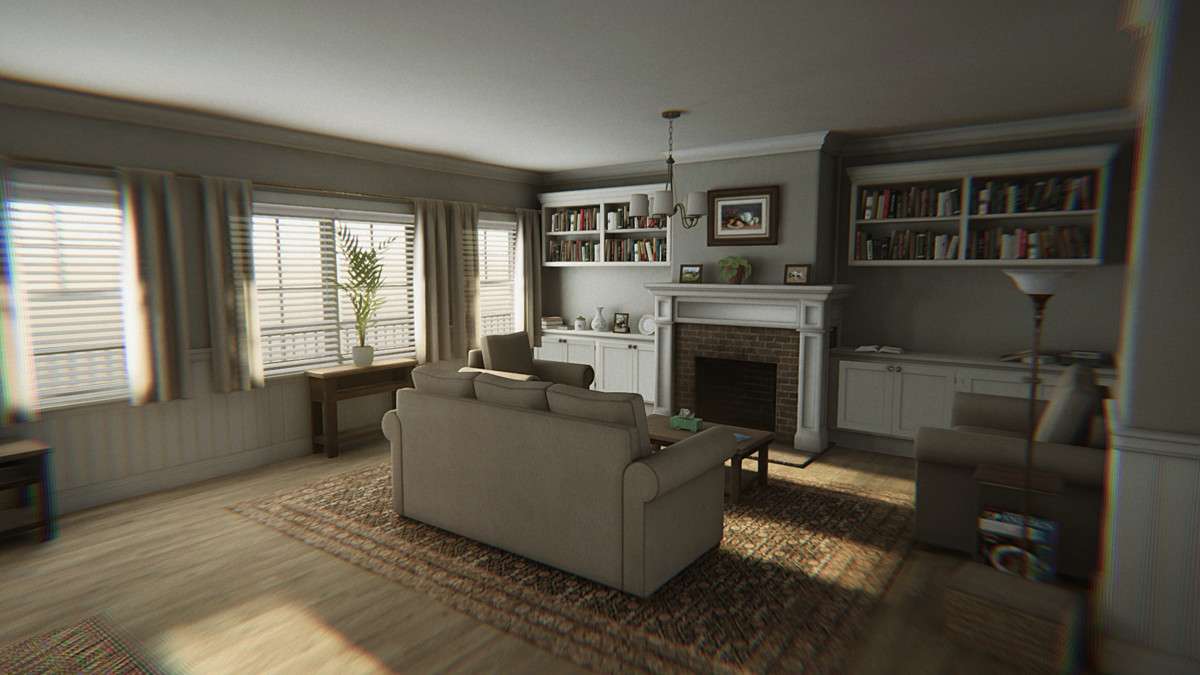
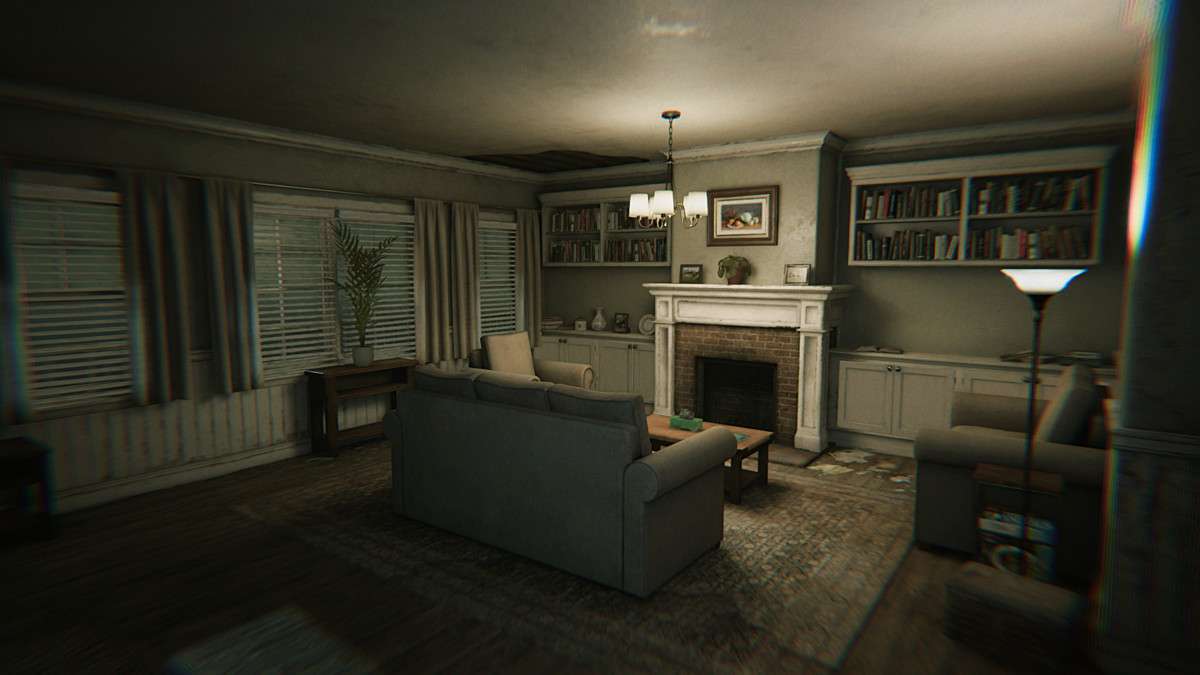
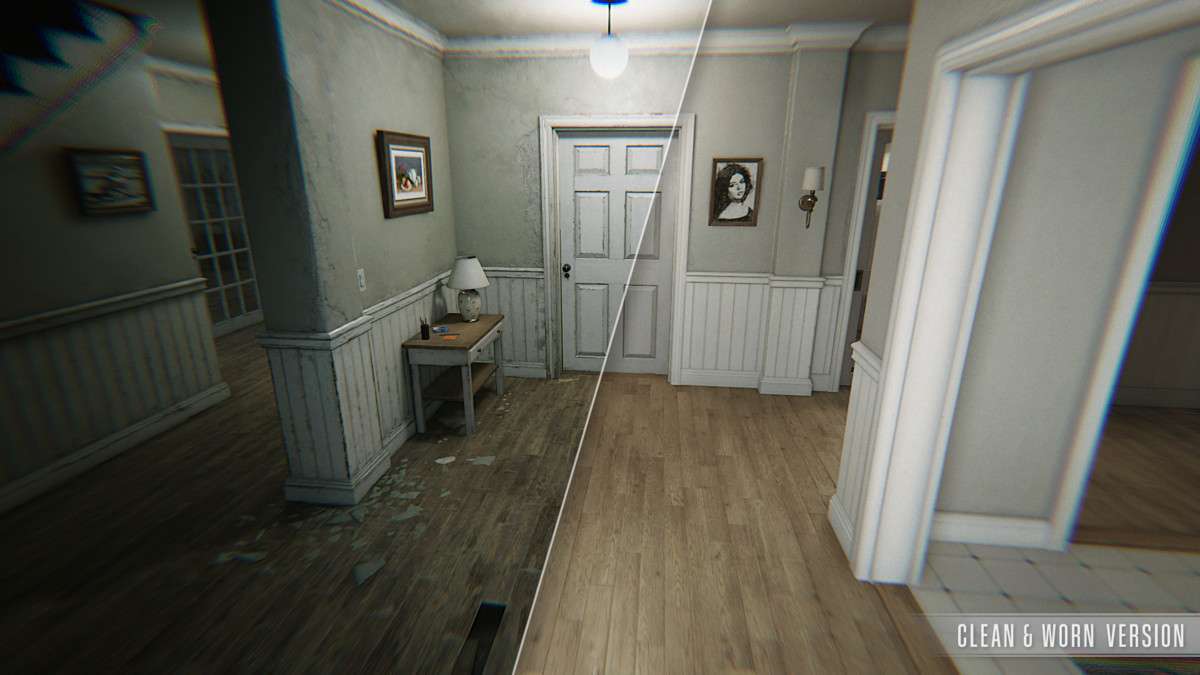
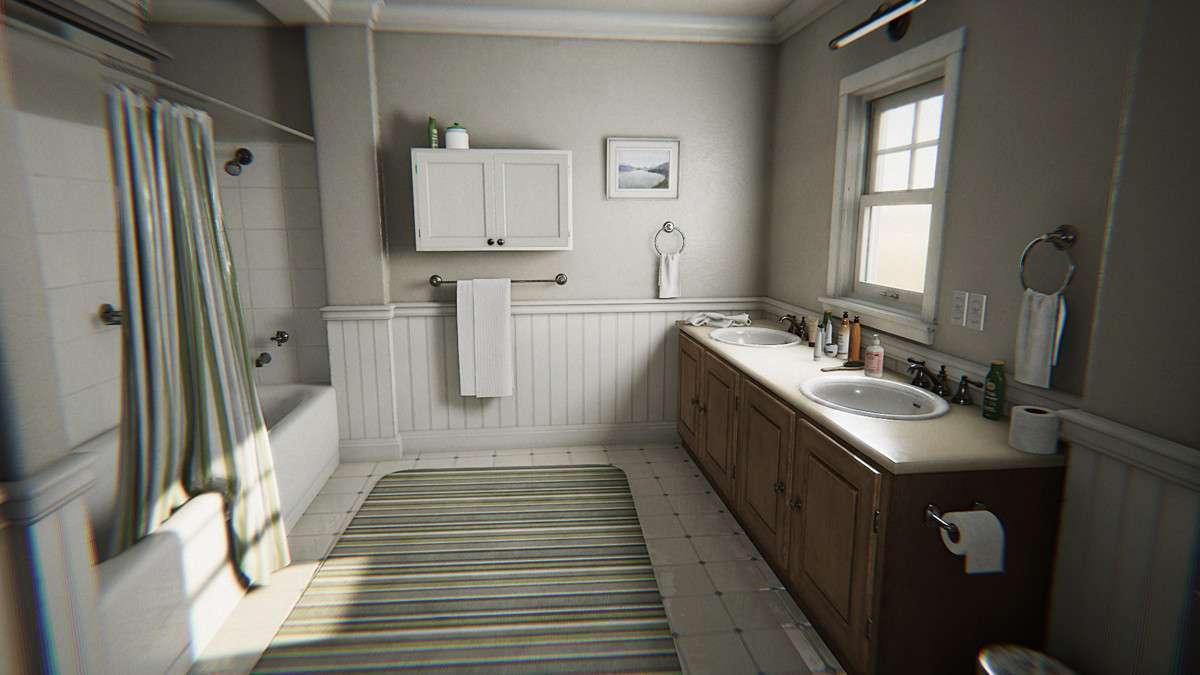
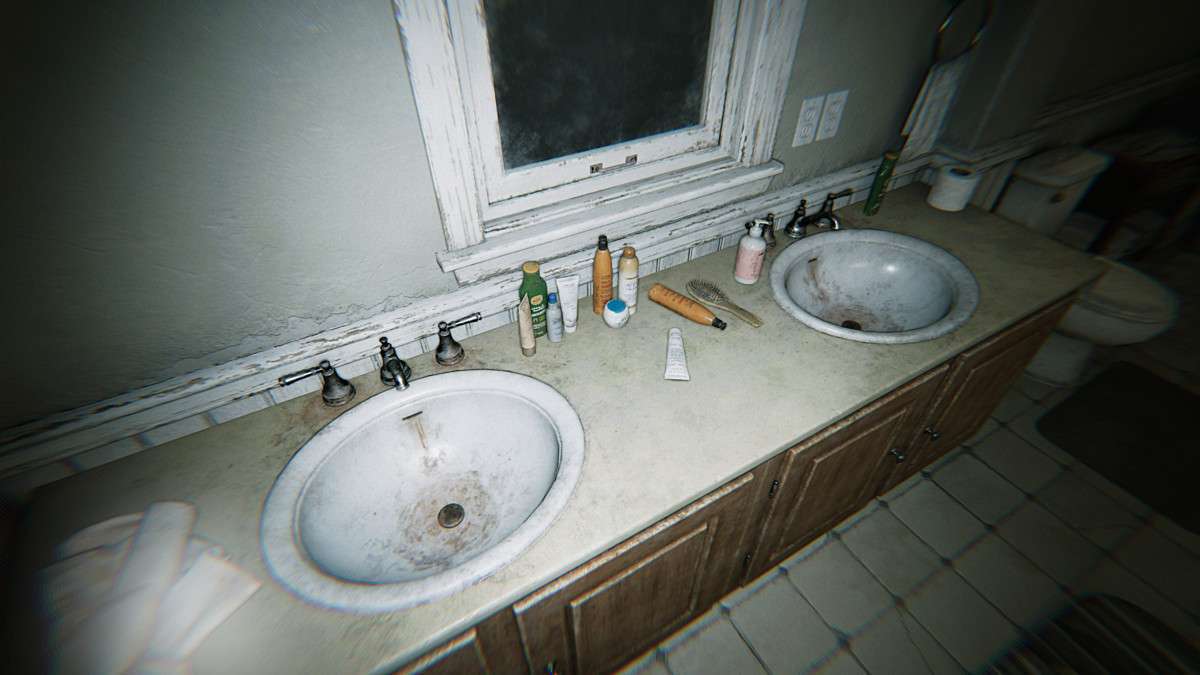
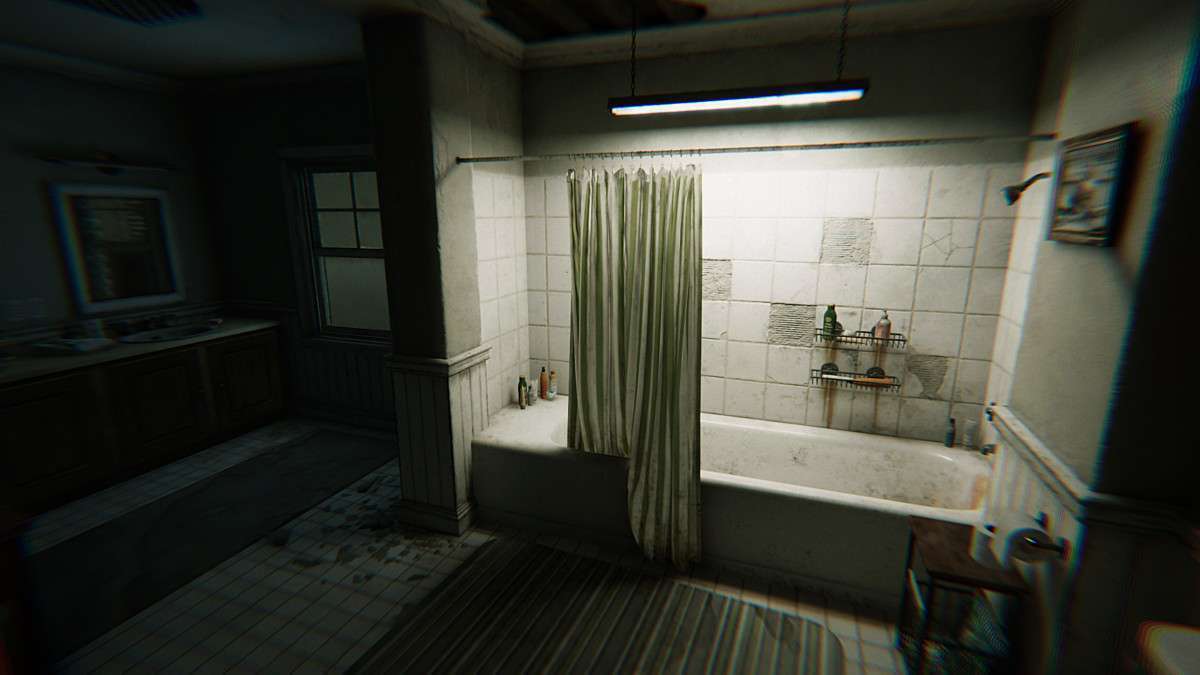
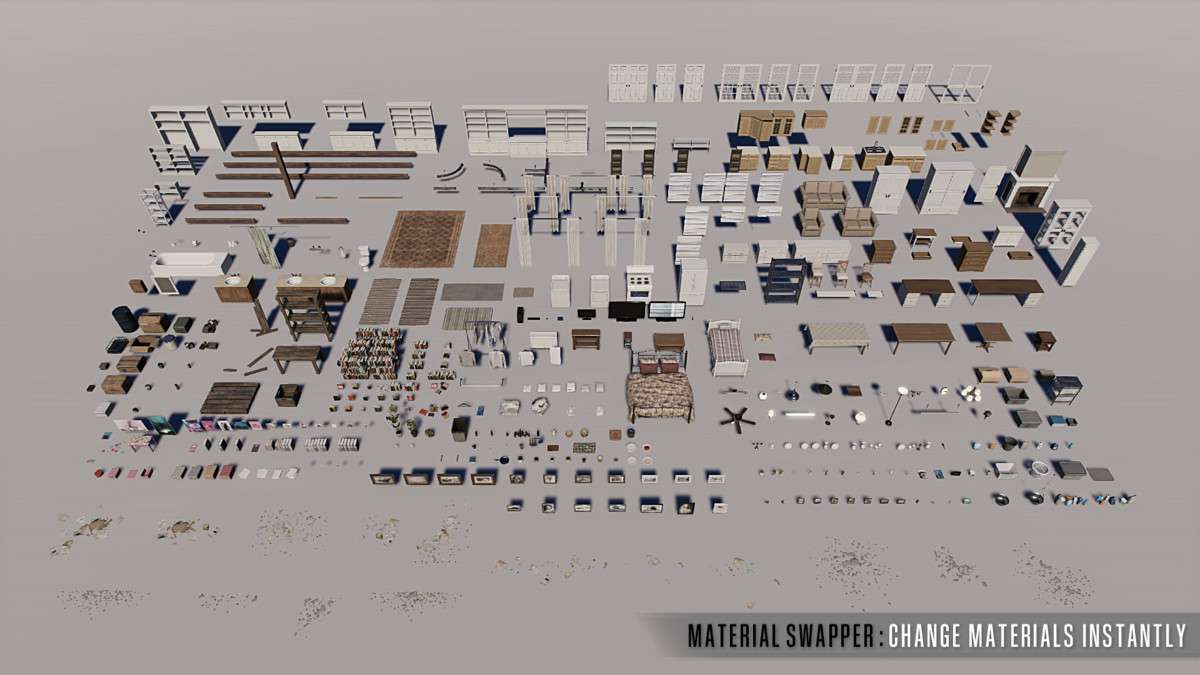
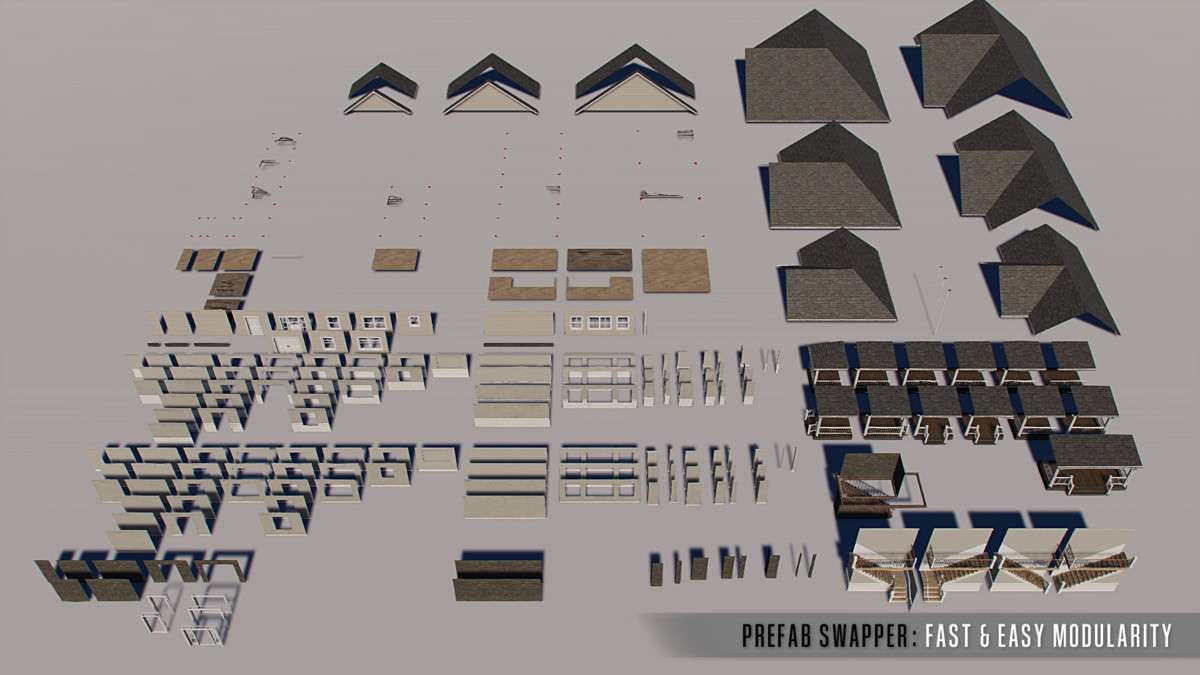
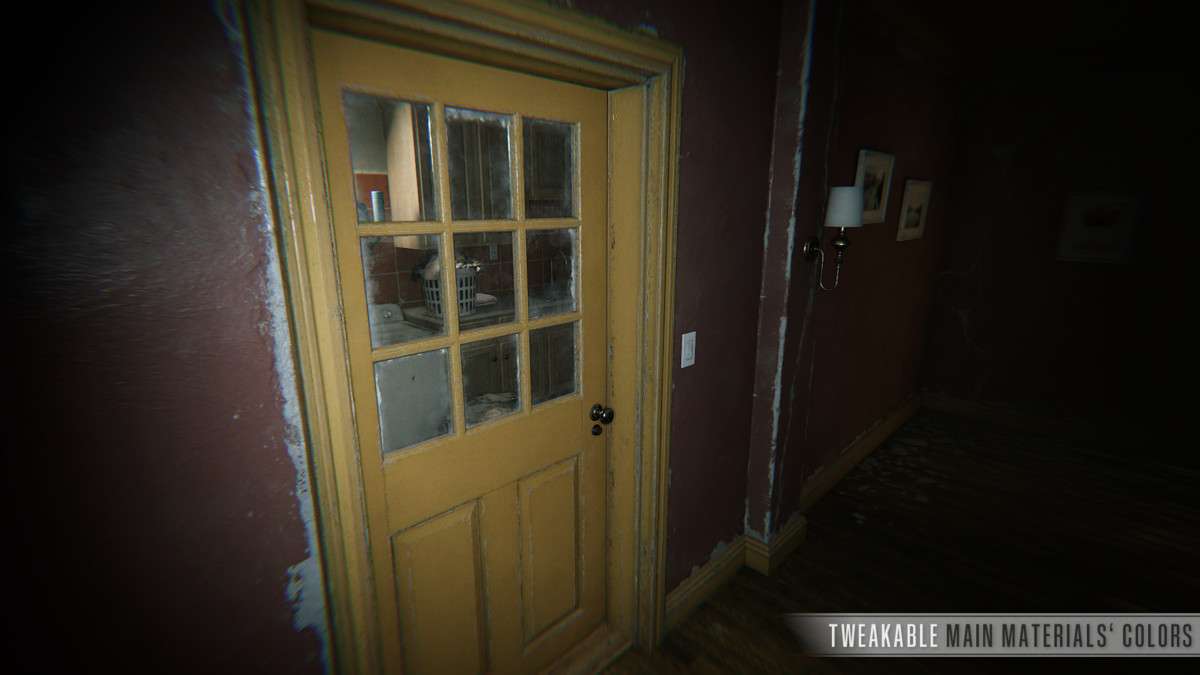
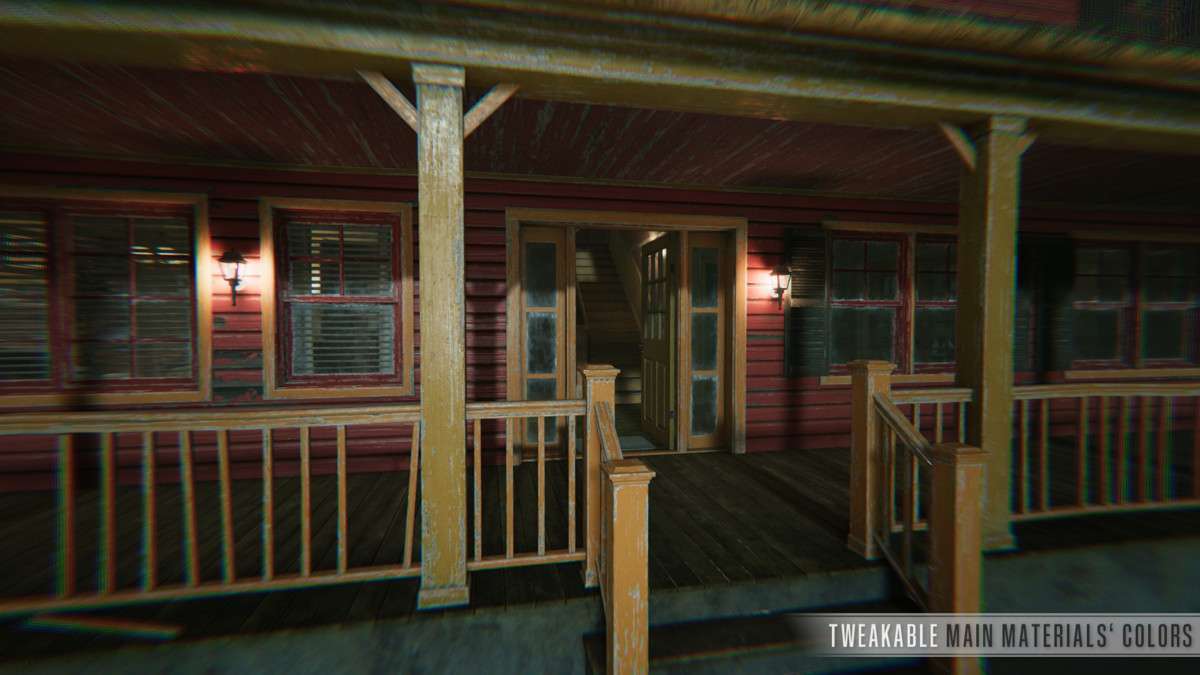
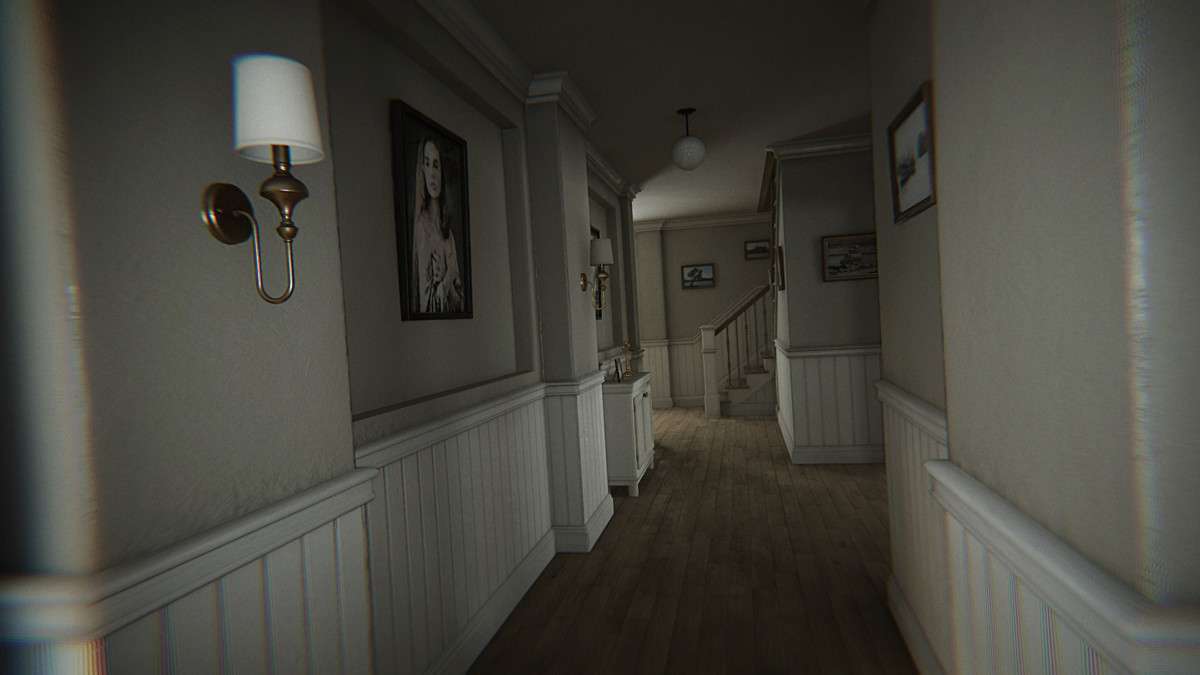
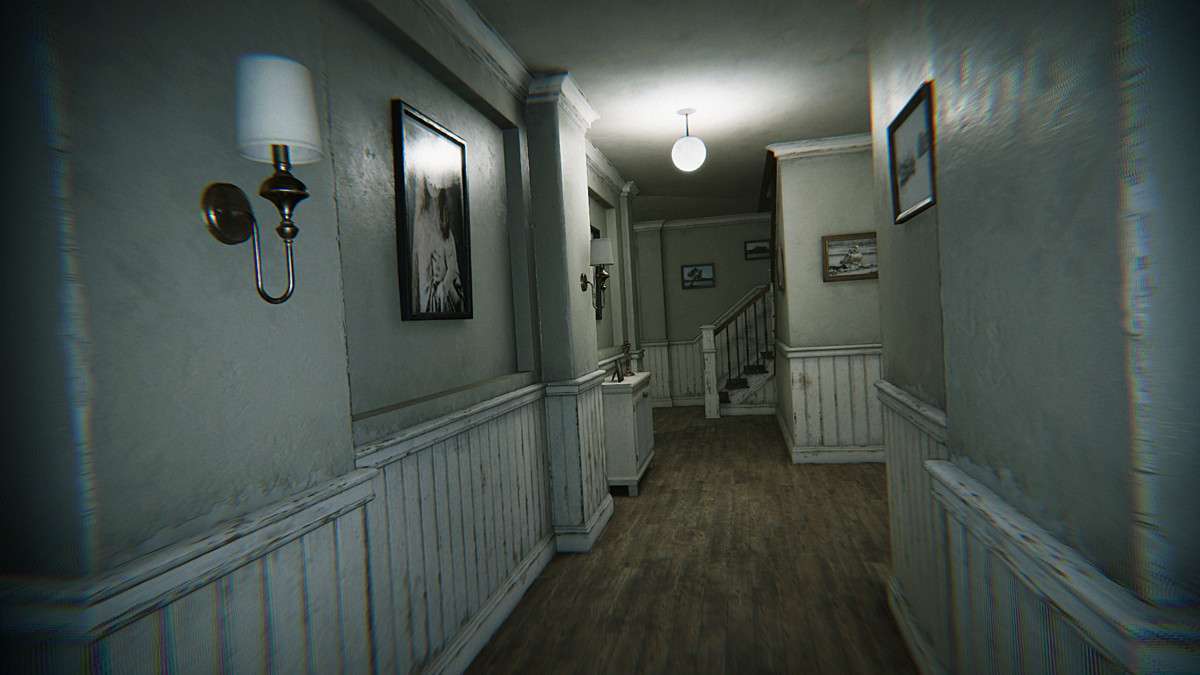
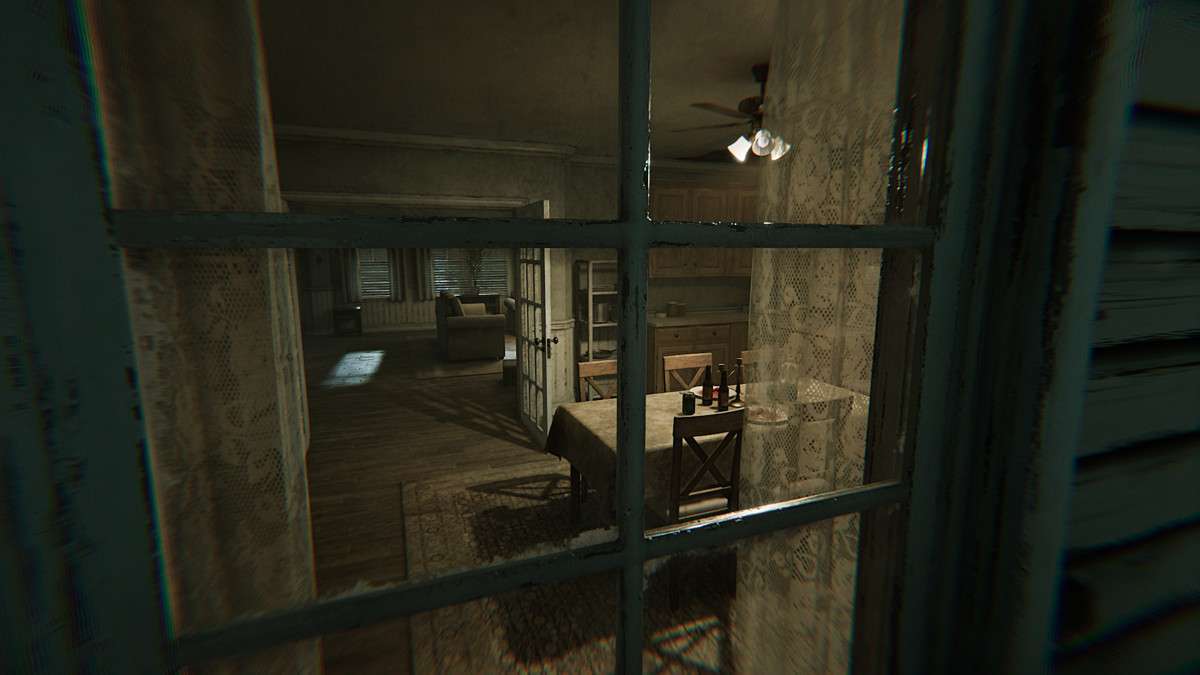
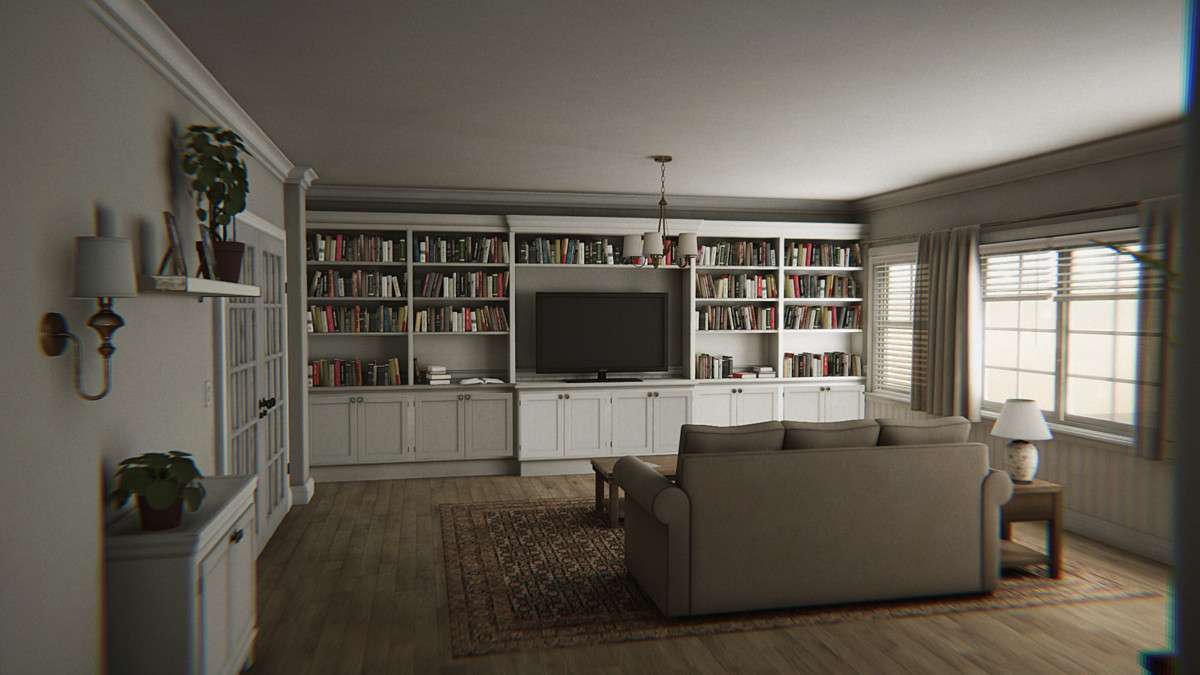
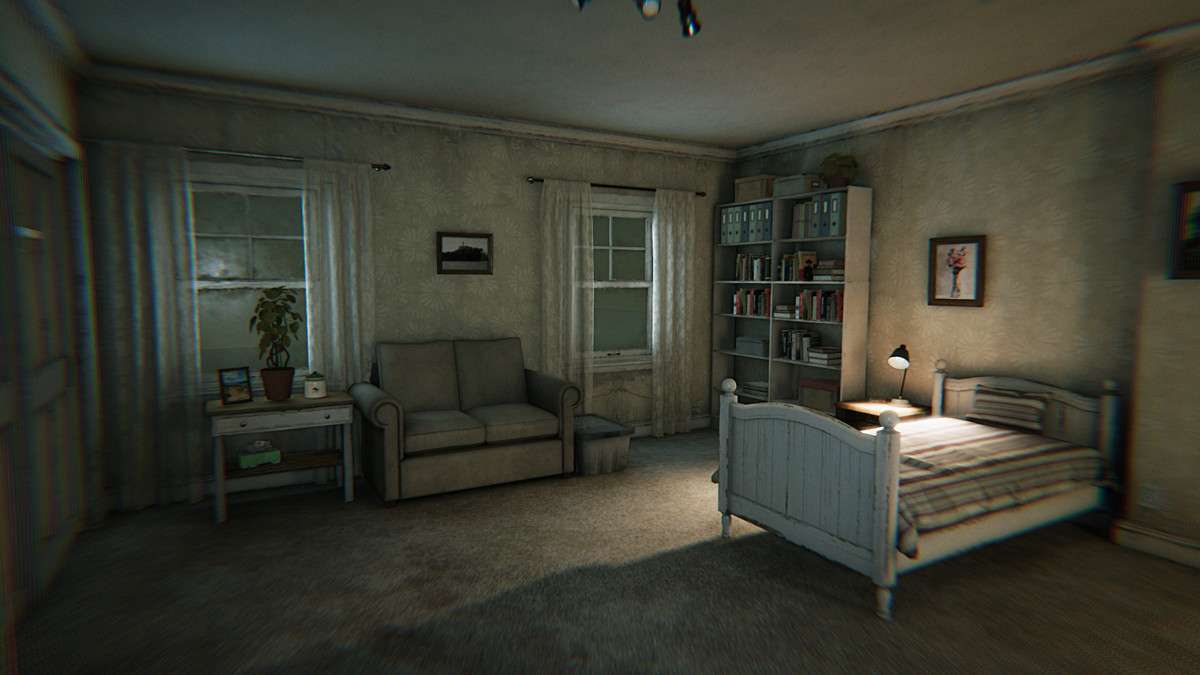
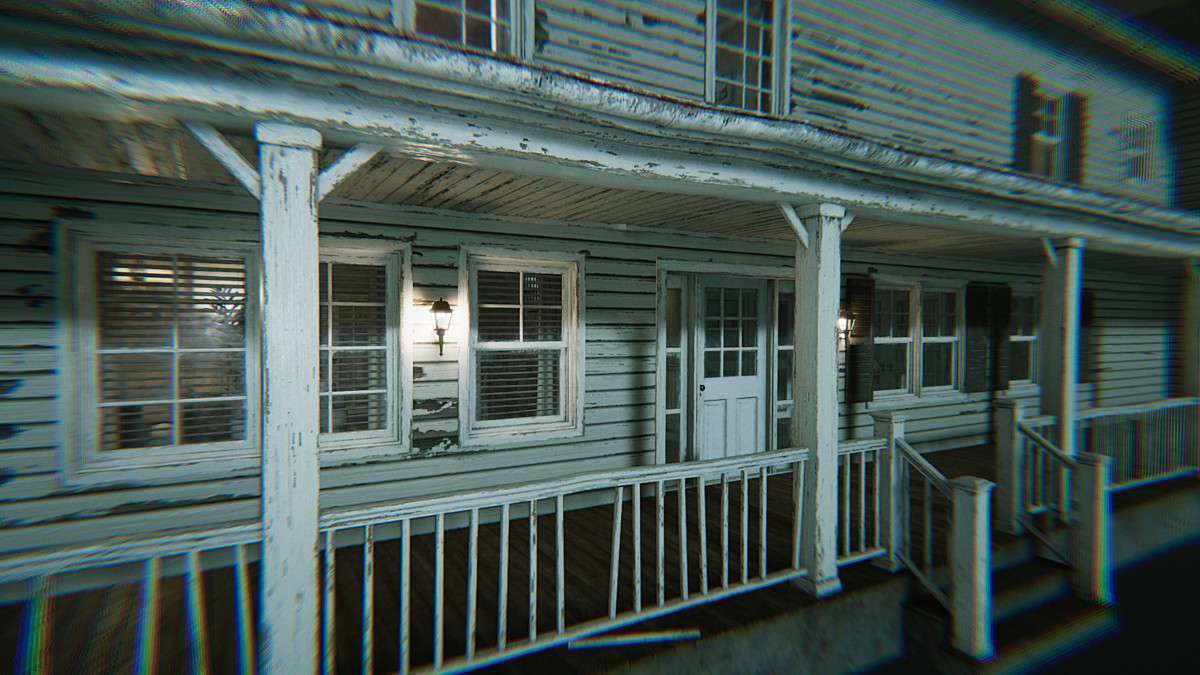
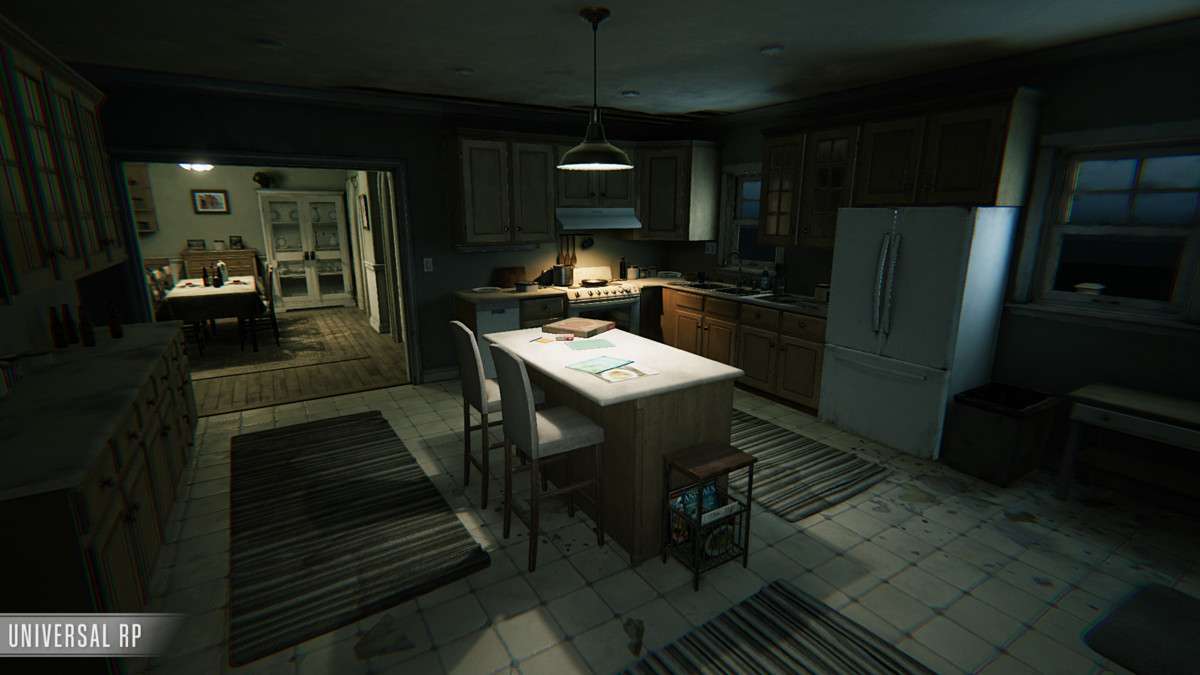
The Atmospheric House (Modular) Unity package, currently at 1.1.0, is a robust architectural kit designed for developers who need to balance high visual fidelity with strict draw call budgets. Unlike static environment packs, this asset leverages a custom Prefab Swapper script and a Multi-mask shader system that allows for real-time toggling between ‘clean’ and ‘worn’ states. When working in HDRP or URP, the shaders utilize specific mask maps to handle micro-detail weathering without requiring unique texture sets for every state, significantly saving on VRAM.
Integration Tips
- Linear Color Space Requirement: Ensure your Project Settings are set to Linear. The custom shaders for the weathered effects rely on linear math for the multi-mask interpolation; using Gamma will result in incorrect luminance and saturation in the worn textures.
- SRP Setup: After importing the base package, you must manually trigger the included .unitypackage for your specific pipeline (URP or HDRP). This replaces the standard materials with pipeline-specific versions that support the advanced vertex displacement and paint color tinting features.
- Grid Snapping: To maintain mesh alignment and prevent light leaks at wall seams, set your Unity Grid Snapping to 0.5m or 1m increments. The modular pivots are strictly aligned to the grid, making it compatible with ProGrids or the native snapping tool.
- Lightmap UVs: Most modular pieces come with clean UV2 layouts. However, when combining walls to reduce batch counts, I recommend using the ‘Generate Lightmap UVs’ import setting to ensure the combined meshes don’t suffer from overlapping charts during a Bakery or Progressive Lightmapper bake.
Best Use Cases
- Survival Horror and Psychological Thrillers: The ability to transition a room from ‘New’ to ‘Worn’ via a single click makes this ideal for games featuring timeline shifts or environmental decay mechanics. Technically, the material swapper allows you to animate these transitions via script, providing a performance-friendly way to show the passage of time without swapping entire scenes.
- Narrative-Driven Walkthroughs: For projects where the player is in close proximity to props, the 2k-4k texture density and openable drawers/doors provide the necessary interactivity. Since the assets are optimized for occlusion culling, you can maintain high frame rates even in dense interior scenes with high triangle counts.